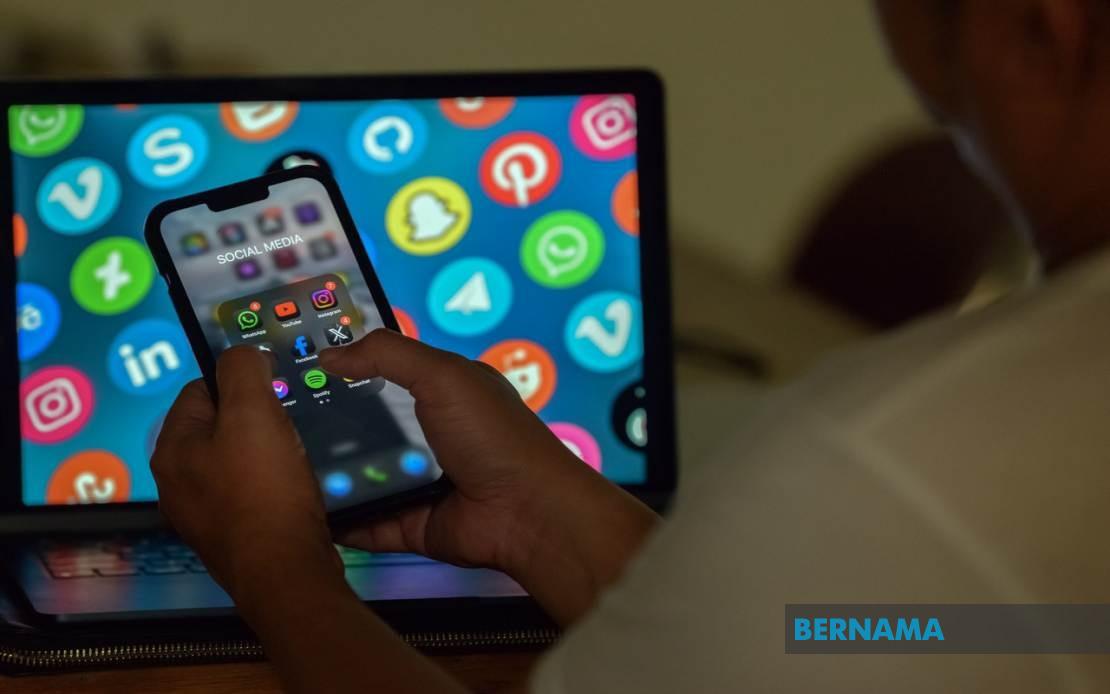
The 2024 Negeri Sembilan state election is unfolding as a distinctly digital campaign, with political hopefuls from across the ideological spectrum discovering that the most effective pathway to voters increasingly runs through their smartphones rather than town halls. As the state heads towards its August 1 polling day, with early voting scheduled for July 28, candidates representing Pakatan Harapan, Barisan Nasional, Perikatan Nasional and smaller parties have mounted sophisticated online operations that reflect a fundamental shift in how Malaysian politicians now engage with the electorate.
The strategic use of different platforms by campaign teams reveals a sophisticated understanding of generational preferences that goes well beyond treating social media as a simple megaphone for broadcast messages. Rather than adopting a one-size-fits-all approach, candidates have carefully segmented their digital presence to match where voters of different ages actually spend their time. This demographic-driven strategy acknowledges that a voter in their seventies surfing Facebook has fundamentally different online habits and content preferences from a seventeen-year-old scrolling through TikTok, and that treating them identically would waste resources and alienate audiences.
Facebook and YouTube have become the primary platforms for reaching older demographics, including Baby Boomers and Generation X voters, who have demonstrated comfort with these more established social networks. This generational cohort, which represents a significant voting bloc, tends to engage with longer-form content and community-focused posts that emphasise stability, tradition, and proven track records. Younger voters, particularly those in Generation Z, have conversely gravitated towards newer platforms like TikTok, Instagram Reels, and Threads, where short-form video content and visually arresting graphics dominate the information landscape.
The creative content being deployed across these platforms has evolved considerably from the stilted political messaging of earlier election cycles. Rather than recycling lengthy speeches translated awkwardly into text, candidates are now embracing Point of View clips, trending audio formats, and behind-the-scenes footage that humanises political figures and makes campaigns feel more intimate and relatable. Infographics explaining manifesto promises and responding to current issues allow complex policy positions to be distilled into shareable, digestible visual formats that can spread organically across networks.
Datuk Seri Aminuddin Harun, contesting as the Pakatan Harapan candidate in Linggi while simultaneously serving as menteri besar, exemplifies this approach by sharing daily snapshots of his campaign life—performing Subuh prayers, breakfasting with residents, and traversing constituencies by motorcycle. These seemingly mundane moments, when curated and presented through social media, construct a narrative of accessibility and ground-level engagement that traditional press releases cannot convey. His messaging, emphasising service conducted with "honesty and integrity" and invoking religious devotion alongside promises of stability under a Pakatan Harapan government, appeals directly to values his target voters hold dear.
Other candidates have identified niches within this broader digital landscape where their particular credentials and backgrounds can shine. Ahmad Shahir Mohd Shah, known as Ustaz Shahir and contesting Paroi for Pakatan Harapan, has leveraged social media to articulate his vision for local development and prosperity, while Dr Azizul Hakim Mahdi, the party's Rantau candidate and a medical professional, has distinguished his campaign through free health screenings for senior citizens promoted through his online channels. These targeted initiatives transform social media from a broadcasting tool into a means of demonstrating tangible commitment to constituent welfare.
Barisan Nasional candidates have adopted similarly sophisticated strategies, with figures such as Datuk Seri Mohamad Hasan in Rantau and Datuk Seri Jalaluddin Alias in Pertang using their social media presence to document campaign momentum and maintain dialogue with potential voters. The competitive landscape has created pressure for all contestants to maintain active, engaging online personas, regardless of their political affiliation or experience level with digital technology. Even Perikatan Nasional, smaller parties like POA, PSM and Berjasa, and independent candidates have recognised that electoral viability in 2024 demands a credible digital footprint.
The significance of this digital turn extends beyond simple convenience or cost-efficiency in reaching the state's 889,490 registered voters. Social media platforms provide real-time engagement opportunities that traditional campaigning cannot match, allowing candidates to respond immediately to breaking news, clarify misunderstandings, and sustain voter interest during the long intervals between major campaign events. The algorithm-driven nature of these platforms means that engaging content can reach far beyond a candidate's immediate network, potentially introducing them to undecided voters who might never attend a physical rally.
However, the reliance on social media also introduces vulnerabilities and challenges that Malaysian political campaigns are still learning to navigate. Misinformation spreads rapidly across these platforms, and campaigns must invest in real-time fact-checking and counter-messaging to protect their credibility. The demographic targeting that makes these campaigns effective also risks creating echo chambers where voters are primarily exposed to messages confirming their existing preferences, potentially depressing meaningful political debate and voter persuasion.
For Malaysian politics more broadly, the Negeri Sembilan election serves as a bellwether for how electoral competition will be conducted in the years ahead. State and federal campaigns are increasingly judged not by the size of crowds at physical events but by engagement metrics—likes, shares, comments, and video views—that aggregate into measures of momentum and popular support. This shift reflects demographic change, with younger Malaysians constituting an ever-larger portion of the electorate and digital natives less likely to be reached through traditional media channels or street-level campaigning.
The transition also carries implications for campaign financing and organisation. Successful digital campaigns require technical expertise in content creation, platform optimisation, and analytics that many smaller parties and independent candidates struggle to resource adequately. This may inadvertently advantage better-funded, larger parties capable of assembling professional digital teams, even as it democratises access to powerful communication tools compared to the gatekeeping role of traditional media. The true impact of this electoral moment will become apparent once Negeri Sembilan voters render their verdict on August 1.

