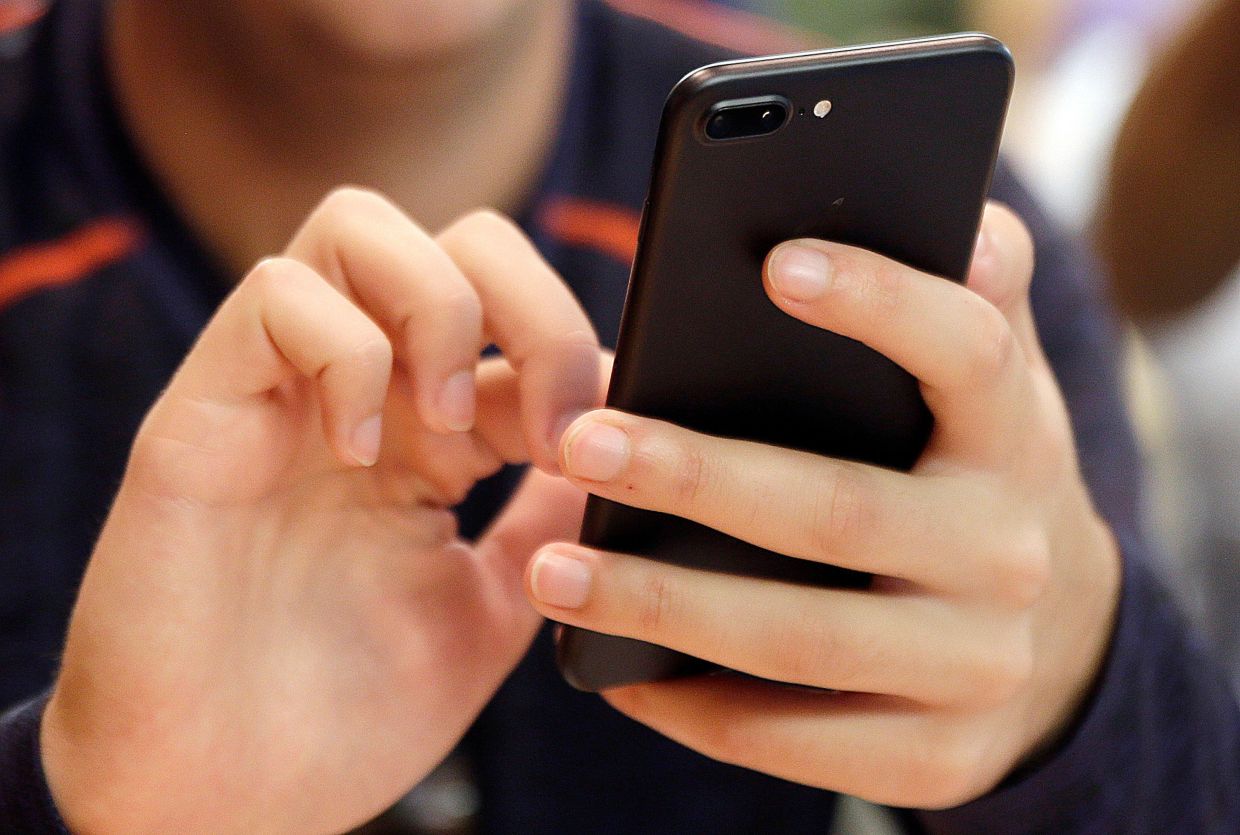
As Malaysia's workforce increasingly depends on smartphones for both professional and personal communication, a quiet epidemic of hand injuries is gaining medical attention. The condition commonly known as texting thumb encompasses a spectrum of phone-related discomfort—from general joint stiffness and throbbing near the knuckles to an unsettling clicking sensation when bending the thumb. What makes this concern particularly pressing for Malaysian professionals is that untreated repetitive strain from constant typing and swiping can evolve into debilitating conditions like carpal tunnel syndrome and early-onset arthritis, potentially threatening career longevity in knowledge-based industries.
The evolution of smartphone injuries reflects how dramatically device usage has transformed over the past two decades. While earlier concerns focused on BlackBerry thumb during the era of physical keypads, today's situation presents a more complex challenge. Modern smartphones are substantially larger and heavier than their predecessors, yet the way Malaysians interact with these devices has fundamentally shifted. Beyond traditional texting and calls, the typical user now engages in hours-long doomscrolling sessions, manages medical appointments and insurance claims through apps, streams television series, and conducts financial transactions—all activities that demand sustained thumb and finger engagement. For office workers, students, and gig economy participants across Southeast Asia, this represents an occupational hazard that rivals traditional repetitive strain injuries seen in manufacturing or clerical work.
Dr Maureen O'Shaughnessy, hand specialist at the University of Kentucky HealthCare Hand Center, articulates a pragmatic philosophy that resonates with digital-dependent societies. Rather than advocating unrealistic abstinence from mobile technology, she emphasizes redesigning usage patterns to achieve compatibility with contemporary life. This approach acknowledges that smartphones have become essential infrastructure for modern existence in Malaysia, where mobile payment adoption exceeds 45% and digital-first services dominate healthcare and government interactions. The challenge therefore becomes not elimination but intelligent coexistence with technology.
The biomechanical root of texting thumb lies in static positioning. Locking wrists and elbows in identical configurations for extended periods creates inflammation and soreness at the thumb's base and wrist joint. Conversely, holding phones upright to watch content fatigues other fingers that stabilize the device. Malaysian workers in call centers, e-commerce operations, and customer service sectors frequently report these symptoms after shifts exceeding six hours. The insidious aspect of smartphone injuries is their delayed perception—users often fail to recognize discomfort until they reduce phone usage, such as during vacations, when pain mysteriously subsides and inflammation quiets.
The most accessible intervention requires minimal financial investment but substantial behavioral adjustment: limiting screen time and interspersing work sessions with deliberate breaks. Dr O'Shaughnessy acknowledges this strategy's difficulty in practice, particularly for individuals whose employment depends on constant connectivity. For those struggling with digital detoxification, she proposes intermediate solutions: varying hand positions throughout the day, alternating between hands for typing tasks, and distributing the load across index fingers and other digits rather than overloading the thumb. These micro-adjustments cost nothing yet substantially reduce cumulative strain.
Smartphone manufacturers have embedded accessibility tools that directly address texting thumb without requiring hardware modifications. Voice-to-text transcription eliminates manual typing for many messages, delivering particular benefit to Malaysian users working across multiple languages. Enlarging text size reduces the need to hold devices close to the face, lowering grip tension and allowing more relaxed positioning. For Malaysian professionals juggling Malay, English, and Mandarin communications, voice dictation proves especially valuable when switching between typing systems becomes burdensome.
Physical accessories offer ergonomic solutions gaining popularity in Malaysian urban centers. Ring-shaped phone grips and circle-mounted attachments redistribute weight across the entire hand rather than concentrating pressure on thumb joints. These accessories simultaneously function as video stands, enabling users to view content without hand-gripping, thereby transforming passive consumption from a strain activity into a pain-free experience. For long-distance commuters in Kuala Lumpur and Penang who watch entertainment during transit, such dual-function accessories prove particularly practical.
Daily hand exercises form a preventive regimen that medical professionals universally recommend. Wrist flexion exercises—tilting the palm toward and away from the body while the opposite hand applies gentle pressure—mobilize joints that stiffen from static positioning. Individual finger flexing and small circular thumb rotations enhance circulation and prevent tendon adhesion. For thumb base pain specifically, placing the hand flat and gently pulling the thumb away from adjacent fingers while holding for thirty seconds provides targeted relief. Malaysian healthcare systems increasingly promote these exercises in workplace wellness programs, recognizing their cost-effectiveness relative to subsequent treatment expenses.
When self-management strategies and conservative remedies including ice application fail to resolve persistent aches, numbness, or tingling sensations, professional medical evaluation becomes essential. Several serious conditions frequently emerge from unaddressed smartphone strain. De Quervain's tenosynovitis, involving sharp pain and inflammation at the thumb's base and wrist, disproportionately affects frequent smartphone users. Carpal tunnel syndrome, caused by nerve compression in the wrist canal, produces progressive numbness and weakness that impacts fine motor control necessary for continued device use. Trigger thumb manifests as painful catching sensations when bending the thumb due to tendon inflammation. Malaysian workers experiencing these symptoms should consult orthopedic specialists or hand surgeons rather than self-treating, as advanced conditions may require physical therapy, bracing, or surgical intervention.
The behavioral dimension of smartphone injury reflects how technology seamlessly integrates into daily routines, making intentional breaks psychologically challenging. The endless scroll mechanism, designed to maximize engagement, exploits attention vulnerabilities that particularly affect younger Malaysians and digitally native workers. Breaking this cycle requires conscious effort—setting intentional boundaries, using app timers, and scheduling device-free periods. Dr Eugene Tsai from Cedars-Sinai Orthopaedics succinctly captures the fundamental principle: human hands evolved over millennia for diverse, varied activities, not for sustained uninterrupted smartphone manipulation. Adapting usage patterns to honor this biological reality protects long-term hand function and work capacity.
For Malaysian professionals navigating an increasingly digital workplace, preventing texting thumb represents an investment in career sustainability. Small adjustments—frequent posture changes, strategic hand switching, accessibility feature utilization, and meaningful breaks—require minimal disruption to productivity while substantially reducing injury risk. The medical consensus emphasizes that coexisting peacefully with essential technology demands intentional hand care rather than simply accepting pain as an inevitable modern cost.

