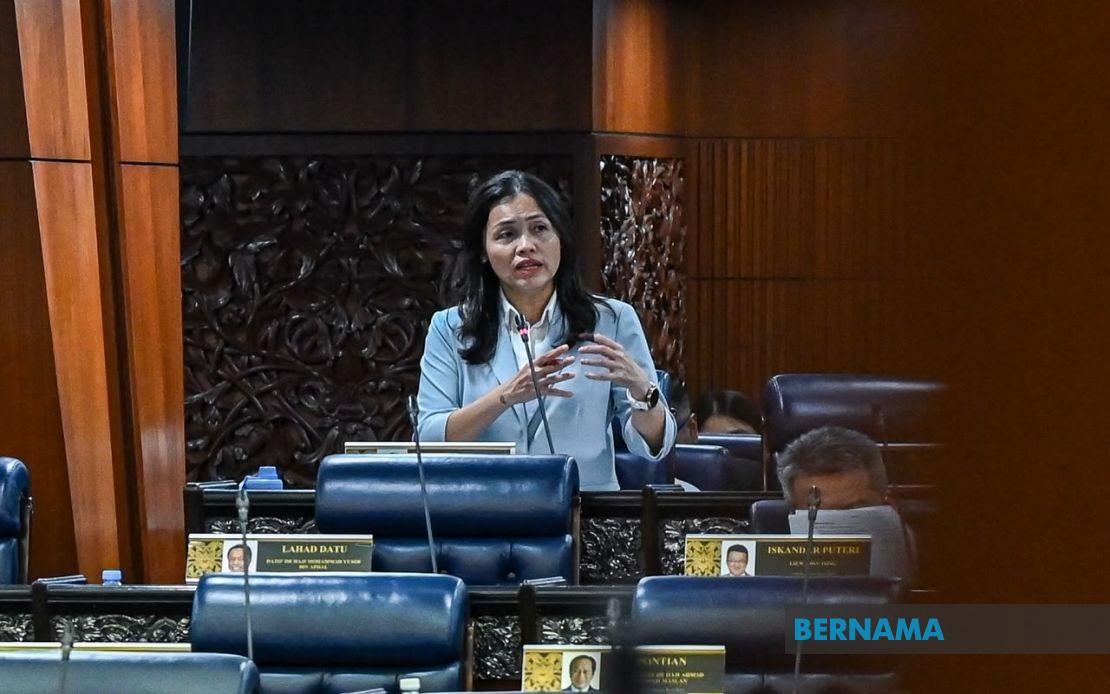
Parliament's lower house has given its approval to sweeping amendments to the Communications and Multimedia Act, marking a significant legislative step to modernise Malaysia's digital infrastructure framework. The Dewan Rakyat passed the Communications and Multimedia (Amendment) Bill 2026 on July 15, with the government emphasising that the changes address contemporary technological challenges whilst safeguarding critical communication networks against emerging security threats. The legislation introduces a new dimension to how Malaysia regulates its communications sector by embedding national security considerations directly into the Universal Service Provision initiative, a mechanism designed to extend reliable connectivity across underserved communities.
Deputy Communications Minister Teo Nie Ching explained during the bill's wind-up that the amendments represent a targeted response to rapid technological evolution and shifting geopolitical circumstances. She stressed that the government remains acutely aware of Malaysia's expanding dependence on digital infrastructure for everything from commerce to governance, and that the legal framework governing communications must evolve accordingly. The minister was careful to delineate the scope of these amendments, clarifying that they do not expand the act's jurisdiction into territories already governed by other agencies, but rather concentrate on communications and multimedia matters, particularly the operational mechanics of the USP initiative involving network facilities and associated service delivery.
The parliamentary vote saw the bill endorsed following contributions from 18 legislators across the political spectrum, reflecting broad consensus on the necessity of updating communications law. This legislative consensus is noteworthy in Malaysia's often fractious parliamentary environment, suggesting that security concerns around digital infrastructure transcend traditional party lines. The amendments specifically incorporate security elements into the USP framework, which is established to enhance the robustness, resilience and continuity of Malaysia's communication networks against various operational and security challenges.
A critical concern throughout the parliamentary debate centred on cost implications for ordinary Malaysians. The government moved swiftly to address this anxiety, with Teo providing categorical assurances that the USP initiative would not result in additional charges being imposed on consumers. She explained that the USP Fund operates independently, financed through contributions mandated from communications licensees operating under the existing legislative framework, and revenues can be deployed solely toward establishing network infrastructure and delivering related services. This funding mechanism seeks to insulate household telecommunications bills from the costs of expanding coverage and enhancing security measures.
Rural and regional connectivity emerged as a dominant theme in parliamentary deliberations, reflecting longstanding frustrations in Malaysia's outlying communities. Datuk Suhaimi Nasir, representing the Sabah constituency of Libaran, underscored the imperative for the amendments to prioritise extending communications access into rural, interior, coastal and island regions across the eastern Malaysian state. He articulated a broader principle: no Malaysian locality should experience communications blackout, particularly during emergencies or natural disasters when functional networks become instrumental for coordinating rescue operations and delivering humanitarian assistance. This framing tied communications infrastructure to national resilience and disaster management, positioning the amendments as essential public safety legislation rather than mere technical regulatory adjustments.
Another parliamentarian, Datuk Mohd Suhaimi Abdullah from Langkawi, raised procedural accountability questions, requesting that the Communications Ministry furnish detailed public disclosures regarding the current reserves held within the USP fund and articulate transparent plans for how those resources will be deployed. His intervention reflected a wider concern that rural infrastructure development might inadvertently suffer if resources were redirected toward security enhancements mandated by the amendments. By calling for greater transparency around fund management, he sought to ensure that the intended beneficiaries of USP expansion—rural Malaysians—would not see allocated development budgets cannibalized for other governmental priorities.
Cybersecurity considerations featured prominently in the wider policy conversation surrounding these amendments. Datuk Shahelmey Yahya, the Putatan parliamentarian, highlighted the escalating threat of digital manipulation and proposed that government establish mechanisms to formally gazette emerging forms of digital attack and deception, enabling citizens to implement protective measures for their personal information and financial accounts. He further advocated for the Malaysian Communications and Multimedia Commission to expand its institutional cybersecurity capacity through recruiting and retaining specialist expertise. This proposal reflects growing recognition within Malaysian governance that digital threats require not merely legislative responses but also enhanced institutional capability and public awareness.
The amendments represent a deliberate recalibration of Malaysia's approach to communications regulation, attempting to balance three sometimes-competing objectives: modernising infrastructure to support economic competitiveness, extending service access to marginalised communities, and hardening digital networks against security vulnerabilities. The parliamentary process, despite its compressed timeframe—the bill progressed through debate and passage within a single sitting—demonstrates government determination to act decisively on this matter. However, the amendments' ultimate effectiveness will depend heavily on implementation rigour and the Communications Ministry's capacity to coordinate with other agencies responsible for overlapping aspects of cybersecurity and emergency management.
For Malaysian consumers and businesses, these amendments carry several implications. The promise of no additional charges suggests the government intends to bear the financial burden of security and universal service expansion through regulatory levies on telecommunications operators rather than end-user pricing. The infrastructure resilience improvements should theoretically provide more stable connectivity during crises and in underserved areas, though the timeline and scope of such improvements remain to be determined through future regulatory guidance. Concurrently, the security enhancements embedded in the framework suggest that Malaysian regulators are taking seriously the vulnerabilities exposed by regional incidents of digital manipulation and network disruption, positioning Malaysia to better withstand these emerging threats.

