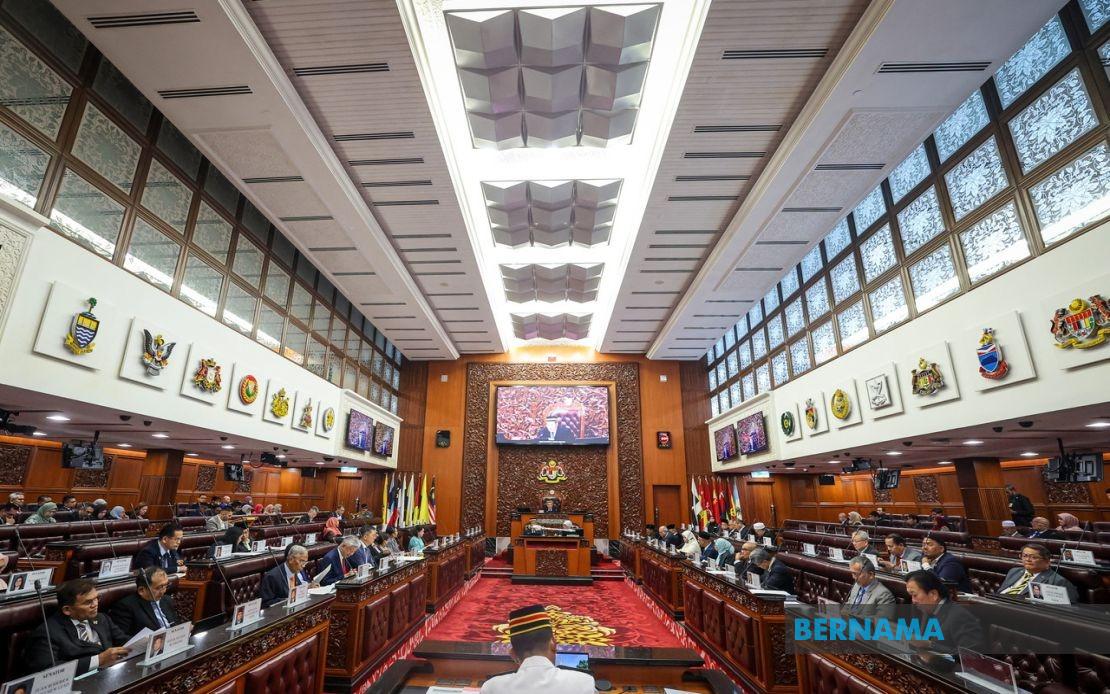
Malaysia's upper house has concluded a productive parliamentary session marked by the passage of 12 bills and renewed debate on matters affecting the nation's business environment and public administration. The Second Meeting of the Fifth Term of the 15th Parliament of Dewan Negara ended on August 4 after convening for 10 consecutive sitting days beginning July 20, demonstrating the chamber's commitment to processing significant legislative measures during the sitting.
Among the most consequential bills approved was the Cybercrimes Bill 2026, a legislative response to the evolving digital threat landscape that reflects Malaysia's growing recognition of cyber security as a critical national concern. Complementing this modernisation agenda, the Road Transport (Amendment) Bill 2026 advances the government's regulatory framework for the country's transportation sector, an area of increasing economic importance as mobility patterns shift and vehicle technology advances.
The criminal justice system received particular attention through multiple amended bills. The Witness Protection (Amendment) Bill 2026 strengthens safeguards for those providing testimony in legal proceedings, while the Sexual Offences against Children (Amendment) Bill 2026 tightens protections for vulnerable populations. These measures underscore the legislature's ongoing effort to enhance institutional protections within Malaysia's legal infrastructure, addressing both procedural gaps and substantive defences against exploitation.
Competition law underwent significant revision with the passage of both the Competition (Amendment) Bill 2026 and the Competition Commission (Amendment) Bill 2026. These complementary pieces of legislation signal a recalibration of Malaysia's approach to market regulation and fair trading practices, potentially reshaping how competition is monitored and enforced across the economy at a time when market concentration and anti-competitive behaviour remain concerns for regulators and businesses alike.
The National Trust Fund Bill 2026 and the Padi and Rice Control (Amendment) Bill 2026 demonstrate the chamber's attention to financial architecture and agricultural governance. The agricultural amendment particularly reflects the government's ongoing efforts to maintain price stability and supply security in rice production, a food staple of strategic importance to Malaysia's food security and rural economy. Such measures carry direct implications for household budgets and farming communities, especially in states where rice cultivation remains economically significant.
Professionalisation of social work advanced through the Social Work Profession Bill 2026, establishing clearer standards and credentialing within a sector increasingly recognised as essential to community welfare delivery. Communications regulation also received legislative attention via the Communications and Multimedia (Amendment) Bill 2026 and the Malaysian Communications and Multimedia Commission (Amendment) Bill 2026, reflecting the government's intent to refresh oversight frameworks for the rapidly evolving digital and telecommunications landscape in which Malaysian consumers and businesses operate.
The Statistics Bill 2026 rounds out the legislative package, addressing governance of data collection and statistical practice—foundational elements for evidence-based policymaking that have assumed greater importance as Malaysia pursues development strategies requiring robust empirical grounding. For Malaysian readers, this bill's passage signals potential changes in how government statistics are compiled, validated, and made available for public scrutiny and research purposes.
Beyond legislative business, the session revived a parliamentary tradition by incorporating the Dewan Negara Adjournment Speech session, conducted under Standing Order 16 for the first time since 2022. This procedural innovation allowed senators to raise and debate two substantive motions reflecting contemporary policy challenges. The first addressed the competitive threat posed by extreme cross-border e-commerce platforms such as Pinduoduo and Temu to Malaysia's micro, small and medium enterprises and traditional retail sector. This motion signifies growing concern among policymakers about market disruption from foreign digital commerce platforms operating with different cost structures and regulatory obligations than domestic competitors—a challenge directly affecting Malaysia's MSME ecosystem, which forms the backbone of employment and entrepreneurship across the nation.
The second motion proposed expanding early voting and postal voting facilities to auxiliary police members, addressing practical concerns about voting accessibility for uniformed personnel whose operational commitments may restrict their ability to vote on polling day. This proposal reflects evolving discussions about electoral participation and democratic inclusion for workers in essential services, an issue that gains relevance as Malaysia works to ensure all citizens can exercise franchise rights despite employment circumstances.
Dewan Negara Speaker Datuk Awang Bemee Awang Ali Basah highlighted in his closing remarks that the diverse composition of the senate—drawing senators from various professional, academic, and sectoral backgrounds—enriches parliamentary checks and balances while strengthening the quality of legislative deliberation. His emphasis on the pluralistic nature of senate debate underscores the upper house's intended constitutional role as a deliberative body capable of bringing informed scrutiny to government proposals from multiple perspectives.
In his adjournment speech, Speaker Awang Bemee also used the occasion to invoke themes of national unity and constitutional order as Malaysia commemorated National Day and Malaysia Day 2026. His call for renewed commitment to defending national sovereignty, upholding the Federal Constitution's supremacy, maintaining rule of law, and preserving social cohesion positioned the legislative agenda within a broader narrative of institutional continuity and national resilience—messages particularly resonant given Malaysia's emphasis on constitutional governance and federal principles.
The session's productivity reflects the Dewan Negara's workload management and the government's legislative agenda for the year. For Malaysian businesses, particularly MSMEs and those operating in regulated sectors like communications, transport, and agriculture, these bills represent significant shifts in the regulatory environment that warrant careful attention and possible compliance adjustments. The passage of these 12 bills establishes the legal foundations for governance across multiple critical domains affecting Malaysia's economic competitiveness, social welfare, security posture, and administrative capacity.

