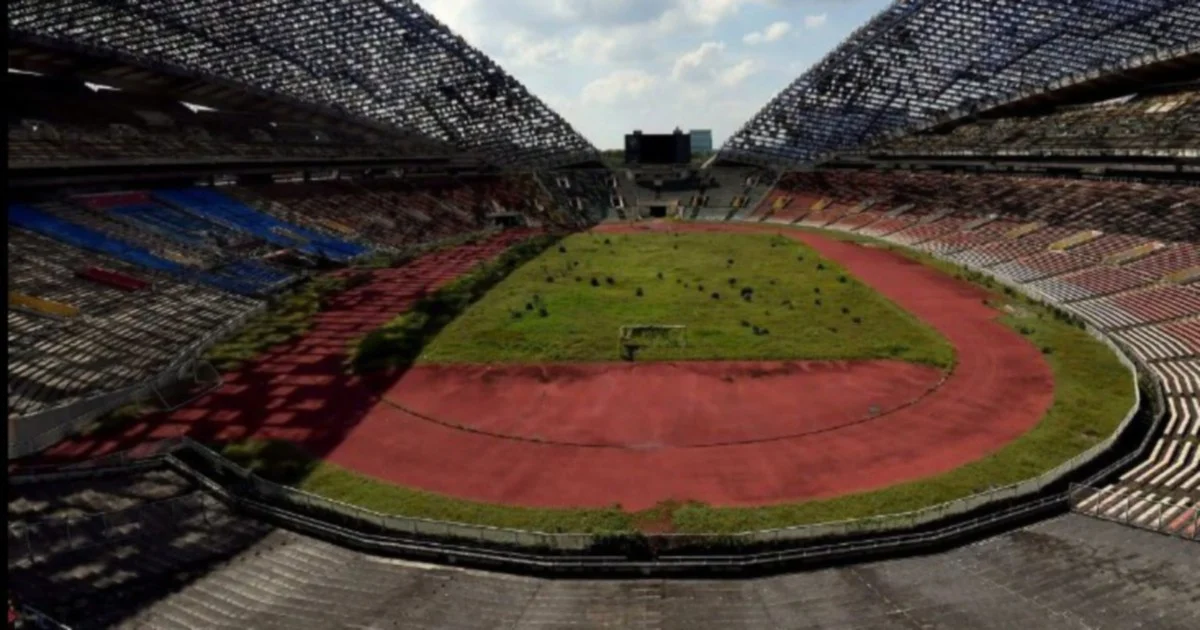
Malaysian Resources Corporation Bhd (MRCB) has successfully obtained a consent judgment from the Shah Alam High Court against activist Abdul Razak Ismail regarding online publications connected to the company's demolition and redevelopment of the Shah Alam Stadium. The developer asserted that the activist's online content had inflicted economic damage to the corporation, prompting legal action to address what the company characterized as harmful digital publications.
The case represents an escalating trend of corporate entities pursuing legal remedies against online criticism and public commentary in Malaysia. MRCB's action reflects broader concerns among developers and large corporations about reputational damage stemming from social media campaigns and online advocacy. The Shah Alam Stadium project has been a focal point of public debate, with various stakeholders holding differing views on the demolition and subsequent redevelopment plans.
The Shah Alam Stadium, a longstanding sporting and recreational facility in Selangor, has undergone significant transformation under MRCB's stewardship. The company's redevelopment vision involves repositioning the site for contemporary use, a process that naturally generates discussion across digital platforms. Activists and concerned citizens have utilized online channels to voice objections and raise questions about the project's implications for the community, heritage preservation, and public space utilization.
Abdul Razak Ismail has been a vocal commentator on matters affecting the Klang Valley region, with particular attention to infrastructure projects and their community impact. His online publications on the Shah Alam Stadium initiative attracted MRCB's legal attention, culminating in the lawsuit that produced the consent judgment. The outcome signals the judiciary's willingness to entertain corporate claims regarding digital content, though consent orders typically indicate both parties have agreed to settle rather than a contested ruling.
Consent judgments occupy a complex position within Malaysia's legal landscape. Rather than representing a contested court victory, such orders emerge from negotiated settlements where defendants agree to specific terms to avoid prolonged litigation. The judgment's specific conditions—what content must be removed, what statements retracted, or what undertakings were made—would clarify the practical implications for online discourse surrounding controversial development projects.
The intersection of corporate interests and digital activism remains contentious across Southeast Asia. Malaysia, like its regional neighbors, grapples with defining appropriate boundaries between legitimate business protection and freedom of expression. Courts increasingly encounter cases where developers, corporations, and public figures seek relief from online criticism, raising questions about whether legal systems adequately balance competing rights.
For Malaysian readers and observers of public projects, this case underscores the potential legal risks associated with sustained online criticism of major developments. While whistleblowing and public interest advocacy retain legal protections, the threshold at which online commentary crosses into actionable territory remains subject to judicial interpretation. The Shah Alam Stadium matter illustrates how disputes over urban development projects can escalate from community discussion to formal litigation.
MRCB's legal victory also reflects the company's commitment to protecting its commercial interests and corporate reputation. Large-scale redevelopment projects invariably attract scrutiny, and developers increasingly view litigation against persistent critics as a legitimate business strategy. This approach raises concerns among civil society advocates who worry that the cumulative effect of such lawsuits may chill legitimate public discourse about major infrastructure undertakings.
The Selangor context adds particular significance to this dispute. The state has witnessed rapid urbanization and substantial property development over recent decades, creating a constituency deeply invested in discussions about land use, public facilities, and community preservation. The Shah Alam Stadium, as a recognizable public landmark with historical significance, naturally commands attention from residents concerned about the pace and nature of change in their urban environment.
Moving forward, the consent judgment may influence how activists, civil society organizations, and concerned citizens approach online commentary regarding major development projects. If the judgment imposes restrictions on discussing the stadium redevelopment or MRCB's conduct, it could establish precedent affecting future digital advocacy campaigns. Conversely, if the terms prove narrowly tailored, the case may have limited impact on broader public discourse.
The outcome also merits attention from press freedom advocates and digital rights organizations. Malaysia's commitment to protecting journalistic and expressive freedoms sits alongside legitimate corporate interests in reputation management. Cases like this require careful calibration to ensure that legal remedies against false or defamatory content do not become instruments for silencing legitimate public criticism of major commercial undertakings.
Ultimately, the Shah Alam Stadium dispute illustrates evolving tensions in contemporary Malaysian society between development imperatives and community engagement. As major projects continue reshaping urban landscapes, the mechanisms through which public concerns are voiced, debated, and adjudicated will remain central to questions about democratic participation and corporate accountability in the digital age.

