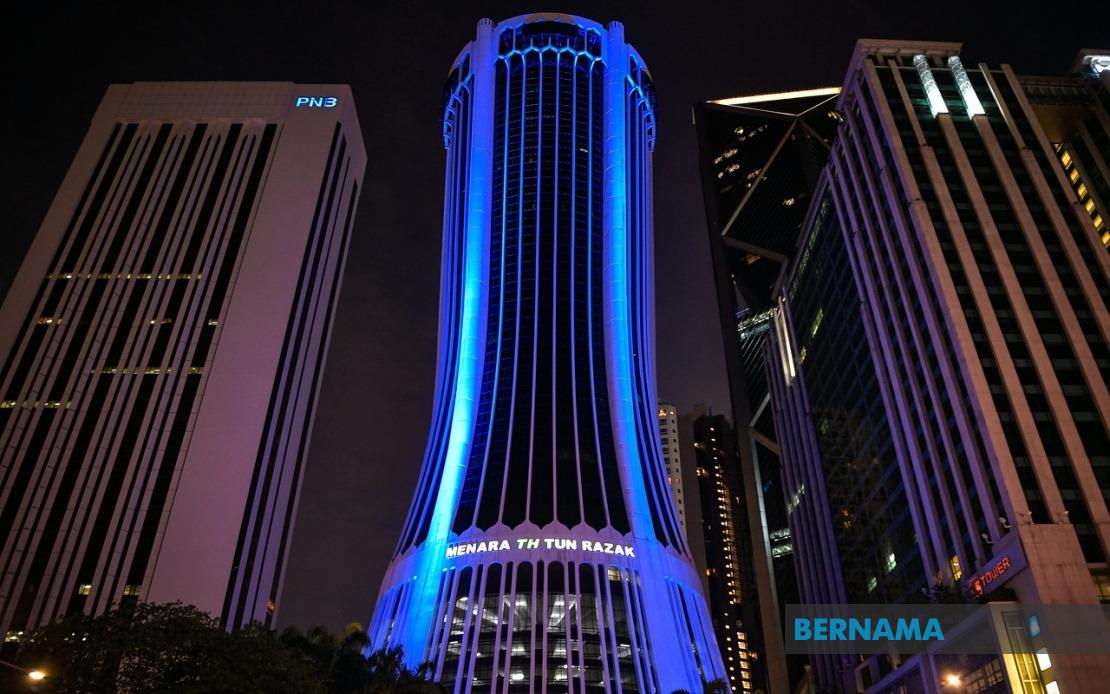
The release of the Royal Commission of Inquiry report into Lembaga Tabung Haji's management and operations has not shaken public confidence in the institution, with Muslim Malaysians viewing their relationship with the organisation through a lens that transcends ordinary financial transactions. For the majority of depositors across the country, Tabung Haji represents far more than a conventional savings vehicle—it embodies a trusted guardian of their aspirations to fulfil one of Islam's five pillars, the pilgrimage to Mecca. This deeper spiritual and religious dimension continues to anchor public trust even as governance issues have come under institutional scrutiny.
The distinction between how Tabung Haji is perceived and how other financial institutions operate underscores why the recent report has not triggered the mass withdrawals or loss of confidence that might occur elsewhere. Rather than abandoning their accounts, depositors are doubling down on their commitment, viewing the inquiry as a corrective mechanism rather than evidence of terminal institutional failure. This reflects a pragmatic understanding among Malaysian Muslims that the haj obligation cannot easily be satisfied through alternative channels, making Tabung Haji indispensable despite its documented shortcomings.
Atiqah Shah Hadi, a 40-year-old tailor who has maintained her account since childhood when her father opened it on her behalf, exemplifies this steadfast commitment. Her expected turn for haj falls in 2033, and rather than questioning whether the institution will deliver, she speaks of continued disciplined savings to ensure adequate funds accumulate by that date. Her decades-long relationship with the organisation has created a psychological and practical investment that transcends rational cost-benefit analysis. For her, abandoning Tabung Haji would mean abandoning a lifetime of savings and contributions, a sacrifice few are willing to contemplate regardless of management concerns.
Younger depositors demonstrate equally resolute confidence in the institution's future viability. Muhammad Haikal Abdul Halim, a 35-year-old civil servant, not only intends to maintain his existing balance but plans to establish automatic monthly deductions from his salary to accelerate his savings trajectory. With a projected haj opportunity in 2032, he is treating the interim years as critical preparation time. More significantly, he is expanding the family's connection to Tabung Haji by opening dedicated accounts for his three young children, signalling a multi-generational vote of confidence in the institution's capacity to manage their religious and financial futures.
Academic perspectives reinforce the notion that Tabung Haji's foundation, while tested, remains structurally sound if governance reforms are implemented. Dr Saizal Pinjaman from Universiti Malaysia Sabah's Centre for Economic Development and Policy identifies two critical pillars for maintaining public trust: protecting depositors' savings and fortifying the institution's long-term financial architecture. He emphasises that confidence hinges not on hiding difficulties but on transparent financial reporting that acknowledges losses, investment impairments, and asset valuations honestly. This approach demands that Tabung Haji base dividend distributions on rigorously audited accounts that reflect true economic performance rather than projected or optimistic figures.
The expert consensus suggests that Tabung Haji must also maintain adequate reserves to cushion against market volatility and systemic shocks. Too frequently, financial institutions prioritise short-term dividend distributions to satisfy members at the expense of resilience. Saizal advocates for a disciplined approach where profits are only released when genuine surpluses exist after accounting for all potential exposures. Additionally, greater transparency regarding the actual costs of haj assistance—covering logistics, accommodation, religious guidance, and medical support—would help depositors understand value and justify the fees they pay. Such disclosure transforms abstract contributions into concrete investments in tangible services.
The narrative of recovery and international recognition provides additional ballast to public confidence. Dr Noor Nirwandy Mat Noordin, a media studies specialist at UiTM Shah Alam, notes that Tabung Haji has emerged from previous crises demonstrably stronger and has achieved standing as one of the world's premier haj management organisations. This status is not incidental but reflects genuine operational improvements in logistics, pilgrim welfare, and administrative systems. The institution's evolution from crisis to credibility suggests capacity for institutional learning and adaptation—qualities that inspire confidence in its ability to navigate current governance challenges.
The post-inquiry phase presents both risk and opportunity for Tabung Haji. The institution faces pressure to implement recommendations from the RCI while simultaneously addressing the structural economic challenges that characterise financial management in the contemporary era. However, the unwavering commitment of existing depositors provides breathing room for reform. Unlike commercial banks, where lost confidence triggers immediate deposit flight, Tabung Haji benefits from a constituency whose long-term religious objectives create natural loyalty and patience. This does not excuse poor governance, but it recognises the unique position the institution occupies in Malaysian Muslim life.
Looking forward, the challenge for Tabung Haji leadership is translating this residual confidence into systematic improvements that prevent future inquiry reports. Depositors like Atiqah and Muhammad Haikal are not blind to institutional flaws; they are making a calculated decision to work within the system rather than abandon it. This represents conditional trust, dependent on demonstrable reform and transparent operation. The institution must honour this confidence by implementing rigorous governance standards, enhancing financial disclosure, and ensuring that every ringgit contributed by ordinary Malaysians is managed with the professionalism and integrity befitting its sacred purpose. When ordinary Muslims continue investing in Tabung Haji despite documented governance issues, they are extending a form of institutional credit that demands reciprocal commitment to excellence and accountability.

