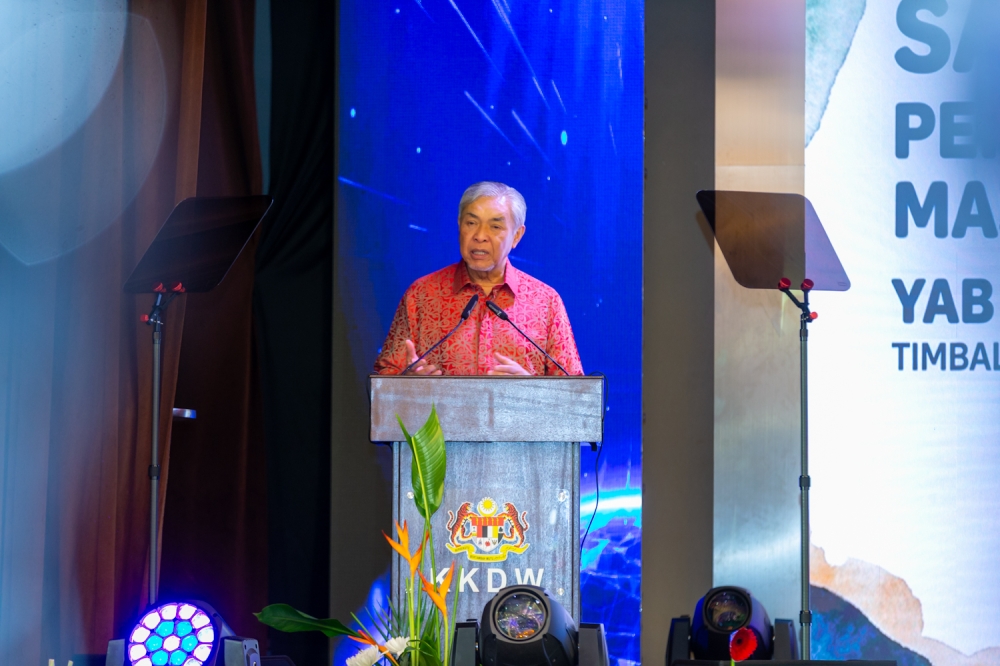
Deputy Prime Minister Datuk Seri Ahmad Zahid Hamidi moved swiftly to quash speculation about high-level coalition discussions, denying reports that he and other major political figures had convened in Putrajaya. Speaking from the capital on July 21, Zahid categorically rejected the circulating claims while simultaneously reinforcing his firm commitment to the stability of Malaysia's unity government framework.
The emergence of such reports reflects the intense scrutiny that Malaysia's political coalitions face in the current environment. Rumours of backroom meetings between different political groupings frequently generate considerable online discussion and speculation about potential shifts in the country's political alignments. These narratives can gain traction rapidly through social media channels, sometimes without substantiation, making swift official clarification an essential part of modern political communications.
Zahid's intervention assumes particular significance given the complexity of Malaysia's current political architecture. The unity government represents a significant departure from conventional coalition politics in the country, bringing together historically opposing forces in the interest of national stability and economic management. Any suggestion of separate meetings between constituent parties naturally invites questions about the robustness of these arrangements and whether individual groups might be positioning themselves for alternative configurations.
The timing of such claims often carries political weight in Malaysia's context. Leadership meetings between major coalition components can signal anything from routine coordination to preparation for substantial policy shifts or structural changes. The Deputy Prime Minister's decision to address the matter directly indicates awareness of the potential damage that unverified reports could inflict on investor confidence and public perception of government stability.
Barisan Nasional, Perikatan Nasional, GPS, and Gabungan Rakyat Sabah represent distinct political constituencies with their own strategic interests and regional bases. Barisan Nasional traditionally anchors peninsular politics and retains significant grassroots infrastructure. Perikatan Nasional emerged as a significant force in recent elections, particularly among specific demographic and geographic constituencies. GPS maintains dominance in Sarawak, where it functions as a regional kingmaker in national coalitions. GRS similarly plays a crucial role in Sabah politics and national mathematics. Any suggestion of these groups meeting without explicit government knowledge could imply coalition tensions or emerging fault lines.
The unity government itself represents an unusual political experiment for Malaysia. Formed to provide stability following highly fractionalised election outcomes, it requires constant negotiation and compromise between parties that might otherwise occupy opposing benches. This arrangement creates inherent vulnerabilities, as each component group must balance loyalty to the coalition with maintaining its distinct political identity and appealing to its core supporters. Leadership reassurance, therefore, becomes an ongoing necessity rather than a one-time achievement.
Zahid's explicit reaffirmation of support for the unity government carries significance beyond mere damage control. His position as Deputy Prime Minister within this arrangement means his political credibility is directly tied to the structure's success. By moving quickly to dismiss unfounded claims, he signals to both coalition partners and the broader public that he remains committed to maintaining the delicate equilibrium that the government requires to function effectively.
The Malaysian context also matters considerably when assessing such political reports. The country's relative political volatility means that coalitions require constant tending and explicit statements of commitment from senior figures. Unlike Westminster systems where confidence votes are formalised, Malaysian political arrangements often depend on implicit understandings and public affirmations of loyalty. A Deputy Prime Minister's statement therefore carries weight beyond ceremonial reassurance; it constitutes a material reaffirmation of binding political commitment.
For Southeast Asian observers and international investors monitoring Malaysia, such clarifications provide necessary reassurance about the sustainability of current governance arrangements. Political uncertainty can affect investment decisions, currency valuations, and credit ratings. By addressing speculation immediately and authoritatively, Zahid helps maintain the international confidence that the country requires for sustained economic performance, particularly given ongoing regional competition for foreign direct investment and talent.
Looking forward, Zahid's statement likely represents the first of what may be periodic reassurances required to maintain unity government cohesion. As the arrangement continues, different constituencies will inevitably face pressures from their supporters to demonstrate independent influence or to extract specific benefits from participation. Managing these expectations while maintaining overall coalition stability requires skilful political navigation and regular public affirmations of shared commitment to the broader national project.
The incident also highlights the challenges of political communications in the social media age, where unverified claims can spread rapidly and force governmental responses. For Malaysian political leaders, the ability to respond quickly and authoritatively to such speculation has become a necessary skill. Zahid's swift denial and reaffirmation suggest an understanding of these modern political dynamics and their potential consequences for governance stability.

