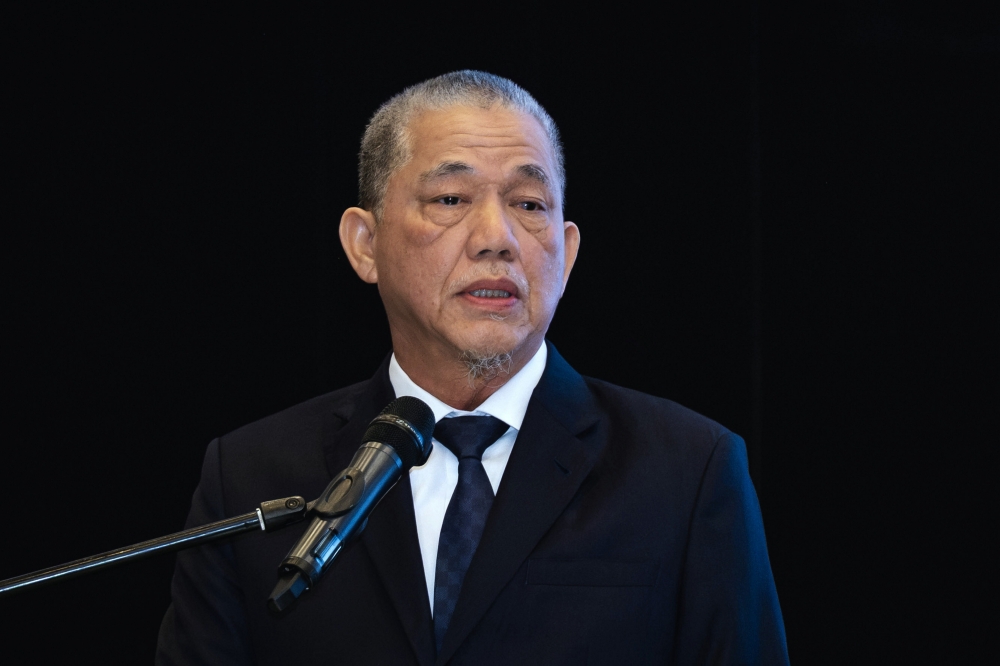
Deputy Prime Minister Datuk Fadillah Yusof is scheduled to undergo heart bypass surgery at Institut Jantung Negara (IJN), Malaysia's premier cardiac care facility, marking a significant development in the nation's political landscape as one of the country's top leaders undergoes major medical intervention. The procedure represents a routine but necessary intervention for managing coronary artery disease, a condition affecting the blood vessels that supply the heart muscle.
The timing of Fadillah's surgery comes at a critical juncture for Malaysia's government administration, requiring careful coordination to ensure that key policy decisions and ministerial functions remain uninterrupted during his recovery period. As Deputy Prime Minister, Fadillah holds substantial responsibility for overseeing several cabinet portfolios and contributing to senior-level decision-making processes that shape national economic and social policies. The arrangement of his hospitalisation necessitates clear succession planning and delegation protocols to maintain the momentum of ongoing governmental initiatives.
Bypass surgery, medically termed coronary artery bypass grafting, involves creating new routes for blood flow around narrowed or blocked arteries in the heart. The procedure has evolved significantly over recent decades and remains one of the most commonly performed cardiac operations worldwide, with high success rates when performed at specialised centres like IJN. Recovery typically requires several weeks of hospital care followed by months of rehabilitation and lifestyle modifications, during which patients gradually resume normal activities under medical supervision.
Institut Jantung Negara has established itself as a leading centre for cardiovascular medicine across Southeast Asia, drawing patients from throughout the region and maintaining international standards for surgical outcomes and patient care. The institution's selection for Fadillah's procedure reflects confidence in its medical expertise and facilities, reinforcing Malaysia's position as a destination for world-class healthcare services. The choice also underscores how even senior government officials rely on the public healthcare system's most specialised institutions rather than seeking treatment exclusively overseas.
Fadillah's medical situation has implications extending beyond his personal health recovery, touching on questions of ministerial succession and the distribution of his responsibilities among other cabinet members. Government sources have indicated that comprehensive arrangements have been established to delegate his functions to other ministers, ensuring that decision-making processes and administrative responsibilities continue without significant delays or complications. This planning reflects Malaysia's institutional maturity in managing unexpected circumstances affecting senior leadership.
The Deputy Prime Minister's position carries weight in Malaysia's political structure, particularly given the complex nature of coalition governance that has characterised recent administrations. His recovery period will test the government's ability to maintain coherence and forward momentum across multiple policy areas simultaneously, while key stakeholders adjust to altered leadership dynamics within ministerial hierarchies. Such transitions require careful communication to maintain public confidence in governmental stability and competence.
From a broader perspective, Fadillah's situation illustrates how serious health challenges can affect even the highest levels of government, a reality that extends across all democracies and political systems. The medical condition prompting his surgery is predominantly age-related, reflecting patterns seen among senior leaders globally as cardiovascular disease increasingly affects politicians during or after their terms in office. Managing such situations while maintaining governmental effectiveness requires robust institutional frameworks and transparent succession protocols.
The public announcement of his upcoming surgery demonstrates Malaysia's relatively open approach to disclosing health matters affecting senior officials, contrasting with some regional counterparts that maintain greater opacity regarding leaders' medical conditions. This transparency supports public understanding of leadership transitions and maintains confidence in institutional processes. It also sets expectations that the government can function effectively during periods when senior ministers require medical attention.
Fadillah's recovery process will likely span several months, during which he may reduce his ministerial duties or take extended medical leave depending on medical advice. The gradual reintegration of recovering leaders back into full ministerial responsibilities requires careful calibration, balancing the importance of his contributions against the need for thorough physical recovery. Most senior officials in similar circumstances eventually return to full duties, though some modify their schedules permanently following major cardiac interventions.
The situation also raises considerations about the broader health management of Malaysian government officials and whether current systems adequately support the demanding physical and mental requirements of senior leadership roles. The stress and irregular schedules characteristic of ministerial positions can exacerbate cardiovascular risks, prompting questions about whether additional support structures might help senior leaders maintain better health outcomes. Comparisons with other democracies show varying approaches to managing executive health, from mandatory health screenings to mandatory retirement ages for senior positions.
For Malaysian citizens and international observers, Fadillah's surgery represents a reminder of governmental continuity mechanisms and institutional stability. Elections and succession protocols matter less during unexpected health crises if robust delegation systems exist to maintain administrative functions. The government's demonstrated capacity to manage this situation transparently while ensuring operational continuity serves broader confidence in Malaysia's political institutions.
The medical decision-making process leading to surgery typically involves extensive testing, consultations with multiple specialists, and careful evaluation of risks versus benefits, processes that have clearly preceded the public announcement. Fadillah's medical team at IJN will continue monitoring his condition through pre-operative evaluations and post-operative recovery protocols, ensuring optimal outcomes from the intervention. His eventual return to full duties will mark another transition point in Malaysia's continuing political narrative.

