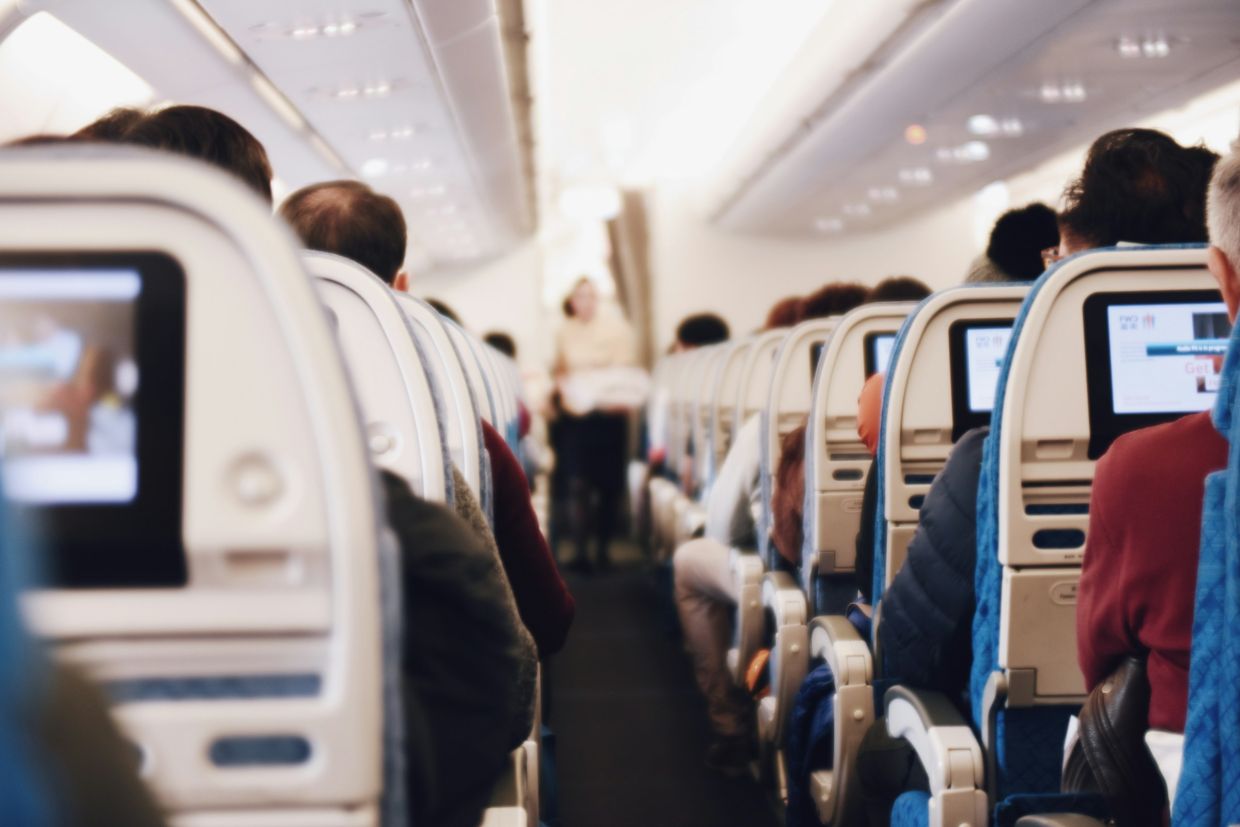
Delta Air Lines discovered and is now investigating an unauthorised WiFi network that briefly materialised aboard one of its aircraft during a flight departing Las Vegas on 10 August. The incident occurred just hours after Def Con, the world's largest gathering of hackers and cybersecurity professionals, concluded its annual conference in the Nevada city. Company spokesperson Morgan Durrant confirmed that the unauthorised network activated for a limited duration, prompting the flight crew aboard the Boeing 757 to shut down the aircraft's WiFi system for approximately half an hour. Despite the disruption, Durrant emphasised that the airline's systems remained secure and that no emergency was declared by air traffic control authorities.
The investigation into Delta Flight 591, which was heading to Atlanta from Las Vegas, involves coordination between the carrier, the Federal Bureau of Investigation, and the Federal Aviation Administration. Durrant's statement on 11 August stressed that passenger and flight safety remained uncompromised throughout the incident and that no aircraft operating systems were affected by the unauthorised network. The airline is working methodically through the investigation, acknowledging that a complete understanding of what occurred will require time to develop. The FBI's Atlanta office acknowledged awareness of the "potential WiFi-related incident" and indicated it was liaising with relevant local and corporate partners, though officials declined to elaborate further on their findings.
From a technical perspective, experts note that disrupting an aircraft's WiFi system and replacing it with a fraudulent access point represents a relatively straightforward operation. Lennart Koopmann, founder of cybersecurity firm Nzyme, explained that such attacks typically involve two steps and can be executed using compact, battery-powered devices no larger than a cigarette box that retail for around US$250 (approximately RM1,022). These tools are widely available in the cybersecurity market and are routinely deployed by legitimate security professionals during testing exercises. The ease of execution suggests the incident may have been an opportunistic attempt rather than a coordinated attack, with Koopmann speculating that a conference attendee may have brought such a device aboard and experimented with it during the flight.
The timing of this incident carries particular significance given the proximity to Def Con, which attracts tens of thousands of security researchers, ethical hackers, and technology professionals annually. The conference is renowned for its permissive atmosphere toward experimentation and pushing technological boundaries, though organisers maintain strict ethical codes. Def Con's spokesperson Monika Hathaway confirmed that conference officials had not yet been contacted by Delta or law enforcement but stated they intended to conduct their own parallel investigation into the matter. Hathaway emphasised that Def Con does not endorse illegal activities and warned that any attendee found to have been involved in the incident would face permanent expulsion from future conferences.
The regulatory response from American aviation authorities has been measured and procedural. The FAA confirmed it was examining the report and noted that even a compromise of an aircraft's WiFi system would be unlikely to affect the critical safety systems that govern flight operations, navigation, and communication with ground control. This regulatory assurance is important context for the travelling public, as it demonstrates that commercial aviation's safety architecture includes multiple redundancies specifically designed to prevent any single system failure—including passenger WiFi networks—from jeopardising flight integrity. The incident serves as a practical illustration of how modern aviation maintains rigorous separation between passenger-facing amenities and aircraft safety-critical functions.
For Malaysian and Southeast Asian business and leisure travellers, this incident carries broader implications regarding cybersecurity practices on regional airlines. As airlines across Asia expand their in-flight connectivity offerings to compete with international carriers, questions arise about the robustness of their network security protocols. The incident demonstrates that even advanced carriers operating sophisticated aircraft can face unauthorised network intrusions, suggesting that vigilance and investment in cybersecurity infrastructure remain essential across the aviation industry. Passengers using in-flight WiFi, whether on American or Asian carriers, should remain cautious about transmitting sensitive financial or personal information over public networks, as interception remains technically feasible despite airline security measures.
The investigation also highlights the ongoing tension between cybersecurity research communities and law enforcement agencies. While conferences like Def Con serve legitimate educational and professional purposes, the accessibility of sophisticated hacking tools to attendees creates inevitable compliance challenges. The deliberate, experimental culture fostered at such events can occasionally blur lines between sanctioned security testing and unauthorised system interference. Airlines, airports, and aviation authorities must balance their need to maintain open channels with the cybersecurity community for defensive purposes while simultaneously protecting their systems from intrusion.
Delta's response to the incident reflects industry best practices in incident management. By immediately grounding the compromised system, notifying relevant authorities, and committing to a thorough investigation, the airline demonstrated appropriate caution. The transparency of communications from company officials also builds confidence that the incident is being treated with appropriate seriousness. However, the incident underscores the need for aviation authorities globally to establish clearer guidelines regarding cybersecurity protocols for in-flight WiFi systems, particularly as these networks become increasingly sophisticated and integrated with broader aircraft management systems.
Looking forward, this incident will likely prompt regulatory and industry discussions about standards for WiFi security on commercial aircraft. For Malaysian carriers like Malaysia Airlines and AirAsia, which serve millions of passengers annually, the implications are clear: cybersecurity must remain a cornerstone of service development. As these airlines expand their digital offerings, from in-flight connectivity to mobile applications, the technical and operational expertise to defend against evolving threats becomes increasingly valuable. The Def Con incident, while isolated, serves as a timely reminder that cybersecurity vigilance extends far beyond corporate headquarters and into the operational realities of commercial aviation.

