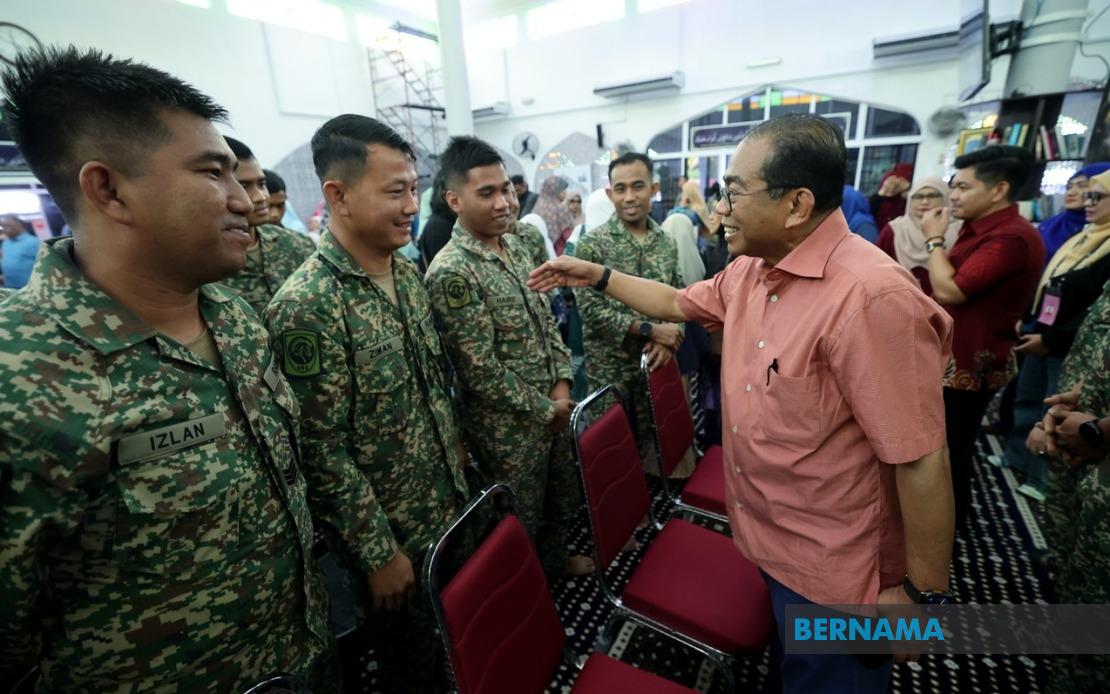
Defence Minister Datuk Seri Mohamed Khaled Nordin announced on July 5 that the investigation into a fatal grenade explosion at Hobart Camp in Gurun is nearing completion, with the report anticipated to reach the Ministry of Defence by the middle of the month. Speaking at the 'Ilmu dan Muafakat' programme at Felda Air Tawar 2 in Kota Tinggi, Mohamed Khaled indicated that once submitted, the findings would guide the ministry's subsequent course of action regarding the incident and its underlying causes.
The explosion occurred on June 16 during a routine training exercise at approximately 10.57 am, resulting in the deaths of two military personnel. Corporal Norazmi Abu Bakar of the Sixth Battalion, Royal Malay Regiment, and Private Siti Khadijah Sungip of the First Squadron, Royal Engineers Regiment, sustained severe injuries from the blast. Both were immediately transported to Sultan Abdul Halim Hospital in Sungai Petani, but tragically succumbed to their injuries during transit, representing a significant loss to Malaysia's armed forces and raising serious questions about safety protocols during training operations.
The incident has cast a spotlight on training safety within the Malaysian military, particularly as Hobart Camp experienced a second accident within a fortnight. On June 29, less than two weeks after the grenade explosion, another mishap unfolded at the same venue when a firearm unexpectedly discharged during a combat enhancement training session. This second incident wounded two soldiers from the Fourth Battalion, Royal Ranger Regiment—Sergeant Mohamad Firdaus Che Shaharudin and Corporal Felix Franchis—who suffered leg injuries after being struck by shrapnel from the 6.15 pm incident.
The occurrence of two serious incidents within such a compressed timeframe at a single training facility has prompted heightened scrutiny from senior defence officials regarding operational procedures and risk management standards. The proximity of these events suggests potential systemic weaknesses that extend beyond isolated human error, prompting comprehensive reassessment of how training exercises are structured and overseen across the installation.
Mohamed Khaled stressed that the Malaysian Army has received explicit direction to undertake a thorough evaluation of its training methodologies and protocols. This review encompasses not only the circumstances surrounding the initial explosion but also incorporates lessons from the subsequent firearm discharge incident. The minister indicated that this broader examination would identify potential gaps in supervision, equipment maintenance, personnel training, and adherence to safety standards that may have contributed to either or both incidents.
The Defence Ministry has adopted a cautious stance toward remedial measures, with Mohamed Khaled emphasizing that concrete policy decisions will only be implemented following receipt and analysis of the investigation findings. This measured approach reflects the complexity of military operations, where safety enhancements must be balanced against operational effectiveness and training requirements. The ministry recognizes that hasty responses based on incomplete information could inadvertently create new problems while failing to address root causes.
For Malaysia's military community, the incidents at Hobart Camp underscore the inherent risks associated with combat training and the critical importance of maintaining rigorous safety standards. Training exercises, by their nature, involve handling live ammunition, explosives, and sophisticated weaponry—all of which carry potential for catastrophic consequences if protocols are compromised or oversight lapses. The deaths of Norazmi and Siti Khadijah serve as solemn reminders that military personnel undertake substantial personal risk in service of national security.
The investigation process itself represents a standard institutional response designed to establish factual circumstances, identify contributing factors, and recommend preventive measures. Such inquiries typically examine maintenance records, training documentation, personnel qualifications, command decisions, and environmental factors to construct a comprehensive understanding of how the incident occurred. The mid-month deadline indicates that investigators have gathered substantial evidence and are consolidating their analysis into a formal report suitable for ministerial review.
From a broader Southeast Asian perspective, military training accidents have become increasingly scrutinized as armed forces across the region modernize and expand their operational capabilities. Countries including Singapore, Thailand, and Indonesia have similarly grappled with balancing training intensity against personnel safety, often implementing enhanced supervision requirements and equipment redundancies. Malaysia's handling of the Hobart Camp incidents will likely inform regional discussions about best practices in military safety management.
The implications for defence procurement and training facility management are potentially significant. Should the investigation reveal deficiencies in equipment quality, maintenance procedures, or facility infrastructure, the Defence Ministry may face pressure to allocate additional resources toward modernization or procedural overhaul. These decisions carry fiscal consequences that reverberate through defence budgets and may influence broader military modernization priorities in coming years.
Beyond the institutional response lies the human dimension—the families of the deceased personnel, their unit members, and the broader military community grapple with grief and questions about whether tragedy could have been prevented. The investigation report will provide formal answers, though such documents rarely fully satisfy those seeking comprehension of sudden loss. The Malaysian military will likely incorporate lessons learned into memorial observances and ongoing safety education.
As the mid-July deadline approaches, the Defence Ministry faces the responsibility of translating investigative findings into actionable reforms that enhance personnel safety without compromising training effectiveness. Mohamed Khaled's commitment to update the public on the investigation outcome reflects growing recognition that transparency regarding military incidents builds public confidence in institutional accountability and continuous improvement within the armed forces.

