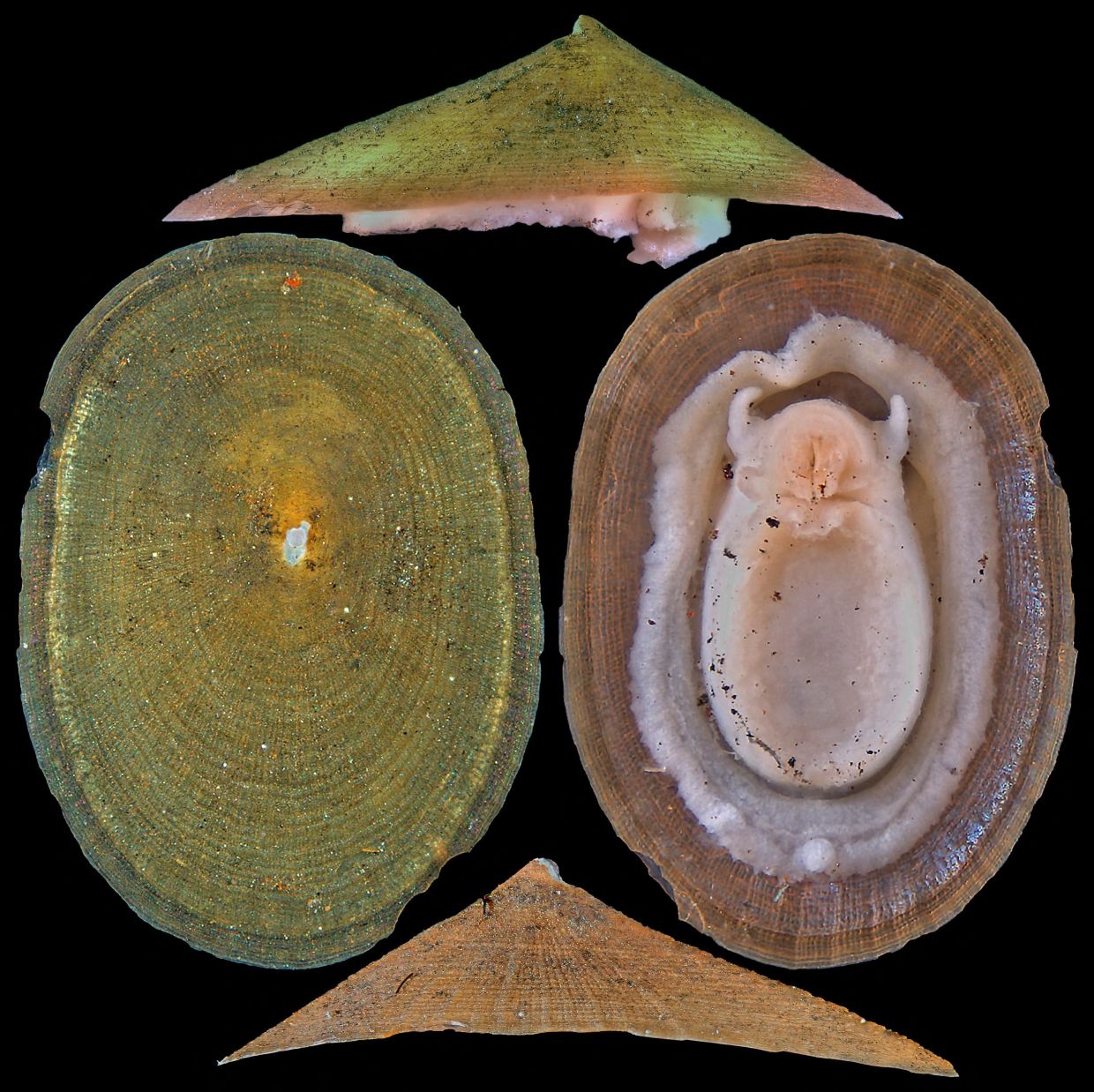
The International Union for Conservation of Nature has sounded an alarm about the hidden dangers posed by deep-sea mining to some of Earth's most unusual creatures. In an updated assessment of its Red List of Threatened Species, the IUCN revealed that mining operations on the ocean floor jeopardise more than three-fifths of all mollusc species that depend on hydrothermal vents for survival. Of the 201 known species of molluscs endemic to these extreme environments, 125 are now considered at risk of extinction directly attributable to deep-sea mining activities.
Hydrothermal vents represent one of the planet's most unforgiving environments, located at depths exceeding 5,000 metres where water temperatures surge beyond 450 degrees Celsius. The mollusc species thriving in these conditions—a diverse group encompassing snails, limpets, mussels, clams, and chitons—have evolved extraordinary adaptations to withstand such hostile conditions. Yet despite their remarkable resilience to natural extremes, these creatures increasingly find themselves vulnerable to industrial disturbance. Many species have only entered scientific knowledge within the last decade, meaning researchers have barely begun understanding their biology before they face potential obliteration.
The mechanism by which deep-sea mining threatens these animals involves the creation of sediment plumes that blanket the ocean floor surrounding mining zones. These sediment clouds interfere with the molluscs' fundamental biological processes, particularly their capacity to obtain nutrients from the vent environment. The disturbance fundamentally disrupts ecosystems that have remained largely stable for millennia, unravelling food webs and habitats upon which these specialised species absolutely depend. The scale of potential damage extends beyond the immediate mining sites, as sediment plumes can drift considerable distances through deep ocean currents.
The latest Red List update indicates a concerning trajectory for global biodiversity more broadly. The total number of species assessed by the IUCN has grown to 175,909, an increase from 172,620 in the previous edition. Accompanying this expansion is a troubling rise in threatened species, with 49,505 creatures now classified as threatened with extinction, up from 48,646 previously. This upward trajectory reflects both improved scientific understanding and genuine deterioration in species conservation status worldwide.
Julia Sigwart, representing the IUCN's mollusc specialist group, characterised the situation as critical and time-sensitive. She emphasised that molluscs globally constitute one of the animal kingdom's most imperilled groups, facing a pivotal juncture that will determine whether many species persist into the future. This assessment gains weight considering that numerous species lack even basic biological documentation before facing existential threats. The researcher highlighted that the IUCN has previously advocated forcefully for intervention, voting in 2021 to support a moratorium on deep-sea mining pending robust protective measures for the marine environment.
Grethel Aguilar, heading the IUCN, placed the mollusc crisis within a broader planetary context. She observed that life on Earth has demonstrated remarkable ingenuity in colonising even the most inhospitable environments, yet mounting pressures on biodiversity worldwide now threaten even the most exceptionally adapted creatures. The comment reflects a fundamental shift in conservation thinking: previously isolated ecosystems once thought relatively insulated from human impact now face direct industrial exploitation. This expansion of human activity into previously untouched frontiers represents an escalating conservation challenge for the coming decades.
The Red List update also highlighted other species experiencing trajectory shifts. The desert rain frog, a species that has gained popularity through social media platforms, has deteriorated in conservation status from "near threatened" to "vulnerable." Found along the west coasts of South Africa and Namibia, this burrowing amphibian faces mounting pressure from diamond mining operations and energy infrastructure development. Projections suggest the population may decline by one-fifth across the next decade absent significant conservation intervention, placing the species on a concerning downward path.
Conversely, the Red List documented a conservation success story in Australia. The numbat, a small marsupial alternatively known as the banded anteater, has improved from "endangered" to "near threatened" status through sustained conservation efforts. Population estimates now suggest between 2,000 and 3,000 individuals exist, representing dramatic recovery from the few hundred remaining during the 1970s. This improvement resulted from coordinated captive breeding programmes and habitat protection strategies spanning several decades.
John Woinarski, co-chairing the IUCN's Australasian marsupial and monotreme specialist group, drew explicit lessons from the numbat recovery. He emphasised that long-term, strategic, and collaborative conservation approaches produce measurable results, directly contradicting assumptions that species decline is inevitable once populations become critically reduced. Without such sustained effort, however, invasive predators including feral cats and foxes continue decimating Australia's smaller marsupials and native rodent populations. The contrast between successful and unsuccessful conservation approaches underscores that species fate depends substantially on human commitment and resource allocation rather than biological inevitability alone.
For Malaysian and Southeast Asian audiences, the deep-sea mining threat carries particular resonance given the region's extensive marine territories and reliance on ocean ecosystems. As international mining companies increasingly explore deep-sea mineral extraction opportunities in Asian waters, understanding these conservation implications becomes essential for policymakers. The IUCN findings suggest that regional governments must carefully weigh economic benefits against ecological costs, particularly considering that many deep-sea species remain undiscovered and their ecosystem roles poorly understood. Southeast Asia's position as a global biodiversity hotspot extends to marine environments, making regional leadership on deep-sea conservation policy potentially influential in shaping international standards and practices.

