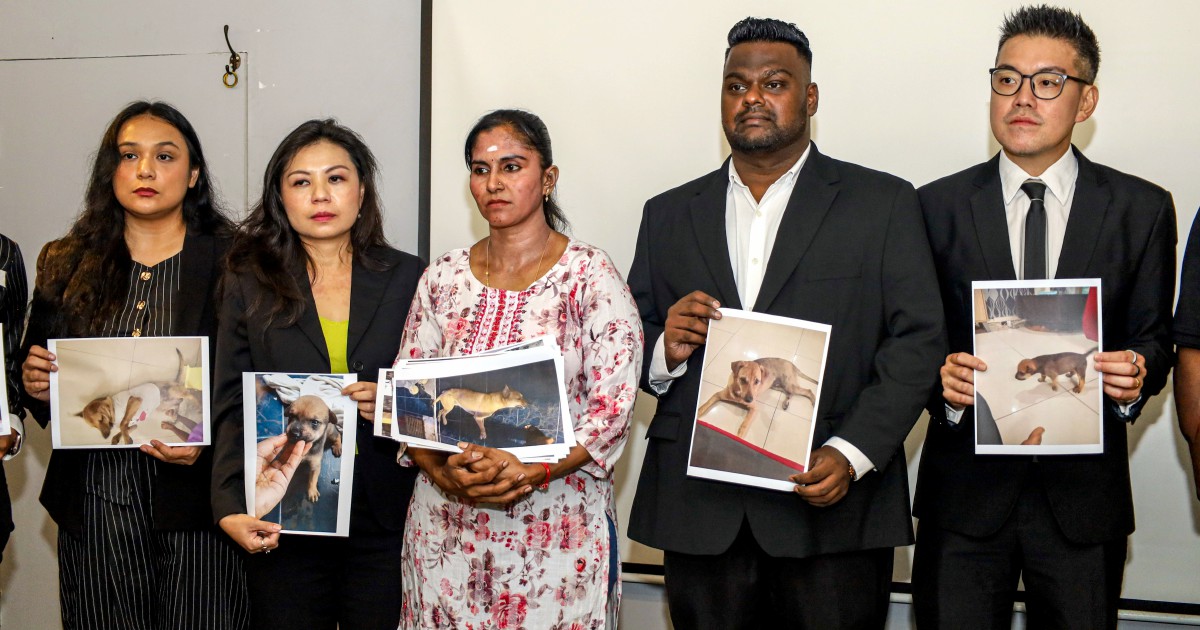
The death of Rocky, a domesticated dog in Taman Teluk Gedung Indah, Port Klang, has ignited public concern about the protocols governing stray animal capture operations across Malaysia. The dog's owner has become an outspoken advocate for accountability, insisting that authorities conduct a thorough and transparent examination of how the incident unfolded during what was ostensibly a routine dog-catching exercise in the residential neighbourhood.
The circumstances surrounding Rocky's demise appear to have involved excessive force during an operation meant to apprehend stray canines in the area. According to the owner's account, the animal sustained fatal injuries that suggest a significant deviation from acceptable welfare standards. This incident raises uncomfortable questions about whether personnel tasked with managing stray populations receive adequate training in humane handling techniques and whether oversight mechanisms exist to prevent abuse.
Malaysia's approach to stray animal management has long been a contentious issue, balancing public health concerns about rabies and disease transmission against animal welfare considerations. Local authorities across the country employ dog-catching teams to manage populations in residential areas, but the effectiveness and humane nature of these operations remain inconsistent. The Rocky case provides a concrete example of how systemic weaknesses in training, supervision, and accountability can result in tragic outcomes for innocent pets caught in the crossfire.
For residents of Port Klang and similar suburban communities, this incident highlights a critical vulnerability in the current system. Pet owners who allow their animals to venture outdoors, whether briefly or regularly, suddenly face an alarming risk that their companions might be caught up in a dog-catching operation and subjected to harmful practices. The lack of clear distinction between actual stray dogs and legitimate household pets belonging to neighbourhood residents amplifies these concerns. Without transparent procedures, owners have no reliable assurance that their animals will be treated appropriately if caught.
The call for transparent investigation extends beyond mere fact-finding about this single incident. Rocky's owner has effectively raised broader questions about standard operating procedures across Malaysia's local authorities. Do municipalities have written guidelines that specifically prohibit excessive force? Are personnel properly trained in animal handling and taught to recognize domestic dogs? What accountability mechanisms exist when complaints arise? These systemic questions require honest answers that will benefit both animals and the communities that value them.
Animal welfare advocates have seized on this case as an opportunity to push for comprehensive reform. Industry observers note that several developed nations have successfully implemented capture-and-release or trap-neuter-return programs that prove more effective and humane than traditional culling-based approaches. Such alternatives require initial investment in training and infrastructure but ultimately reduce unnecessary animal deaths while maintaining public health standards. Malaysia's continued reliance on traditional methods suggests a reluctance to embrace evidence-based improvements.
The incident also touches on broader questions of occupational culture within local government. Workers tasked with stray animal capture often operate with minimal oversight in the field, and inadequate training may leave them ill-equipped to make nuanced decisions. When procedures are vague and accountability is limited, individual actions can escalate unnecessarily. Rocky's death may represent not malice but rather systemic neglect of proper standards and oversight.
For Malaysian pet owners, particularly in urban and suburban areas like Port Klang, this tragedy serves as an unwelcome reminder of their vulnerabilities within the current regulatory framework. While rabies prevention and stray population management remain legitimate municipal concerns, these objectives need not come at the expense of innocent pets. The owner's demand for transparency reflects a reasonable expectation that government operations should be open to public scrutiny, especially when they affect community members and their families' welfare.
The investigation into Rocky's death carries implications extending throughout Southeast Asia's rapidly urbanizing regions. As Malaysian towns and cities expand and densities increase, managing animal populations becomes increasingly complex. How authorities handle such challenges—with transparency, accountability, and modern standards or through opaque, outdated methods—will shape both animal welfare outcomes and public trust in government institutions. This case demonstrates that these concerns intersect with core questions about governance and citizens' rights.
Moving forward, Port Klang's experience offers a template for necessary reforms. Local authorities should establish clear written protocols governing dog-catching operations, including explicit prohibitions against excessive force and requirements for humane handling. Personnel should receive formal training with regular updates and refresher courses. Independent oversight mechanisms could include community liaison boards and mandatory incident reporting with public disclosure. Video documentation of operations could simultaneously protect both animals and workers from false accusations.
Malaysia's approach to animal management stands at a crossroads. Continued reliance on traditional methods without transparency or modern standards will likely generate more incidents like Rocky's death and further erode public confidence in government agencies. Conversely, reforms grounded in humane practices, transparency, and accountability would address legitimate public health concerns while respecting the interests of pet-owning families. Rocky's owner's pursuit of transparent investigation represents not obstructionism but a reasonable demand for governance that serves both community safety and animal welfare.

