Kuala Lumpur City Hall (DBKL) is moving forward with a sophisticated monitoring system designed to identify and manage trees that pose safety risks to residents and infrastructure. The installation of 200 sensors across selected mature trees marks a significant escalation in the city's approach to urban forestry, shifting from reactive responses to tree failures towards proactive risk detection and management. Kuala Lumpur mayor Datuk Seri Fadlun Mak Ujud announced the initiative at the launch of Taman Tugu Plot Adoption Programme on Saturday, framing it as the logical continuation of work completed earlier in the year.
The groundwork for this initiative began with an extensive mapping exercise conducted in the first half of 2024, during which DBKL catalogued approximately 25,000 trees across the city with support from the Digital Ministry. This comprehensive inventory enabled city planners to develop a detailed understanding of which trees were healthy, which required intervention, and which posed immediate dangers. The mapping phase essentially created a digital baseline against which future monitoring could be measured, allowing DBKL to make informed decisions about resource allocation and safety priorities.
The sensor technology will be mounted approximately 1.2 metres above ground on carefully selected specimens, with all devices connected to DBKL's centralised control centre for continuous surveillance. According to Fadlun, this system will transmit real-time data regarding a tree's structural condition, enabling swift intervention before any hazards materialise. The technological approach represents a departure from traditional periodic inspections, where arborists would physically examine trees on scheduled visits. Instead, the sensors can detect micro-movements, stress patterns, and other indicators of deterioration that human inspectors might miss, particularly in the early stages when preventive action remains possible.
The deployment will prioritise areas with mature and long-established tree populations, with Jalan Ampang specifically mentioned as a focus area. These older specimens often carry greater sentimental value and ecological significance for Kuala Lumpur residents, making their preservation a priority that extends beyond mere safety considerations. Fadlun emphasised that the city's strategy favours retention and remedial support over wholesale removal, acknowledging that mature trees provide irreplaceable environmental services including carbon sequestration, urban cooling, and habitat provision. Where branches show signs of instability, DBKL plans to implement support systems and strategic pruning rather than felling entire trees, a philosophy that balances safety with environmental stewardship.
The initiative sits within a broader urban greening framework that includes ambitious planting targets. DBKL intends to establish 200 new trees as part of this phase, though the mayor acknowledged that additional funding will be required to execute these plans fully. This dual approach—protecting existing mature trees while simultaneously expanding canopy coverage—reflects international best practice in metropolitan forestry management. Cities facing increasing urban heat and the impacts of climate change have recognised that tree canopy must expand faster than it deteriorates, requiring simultaneous strategies for preservation, remediation, and new planting.
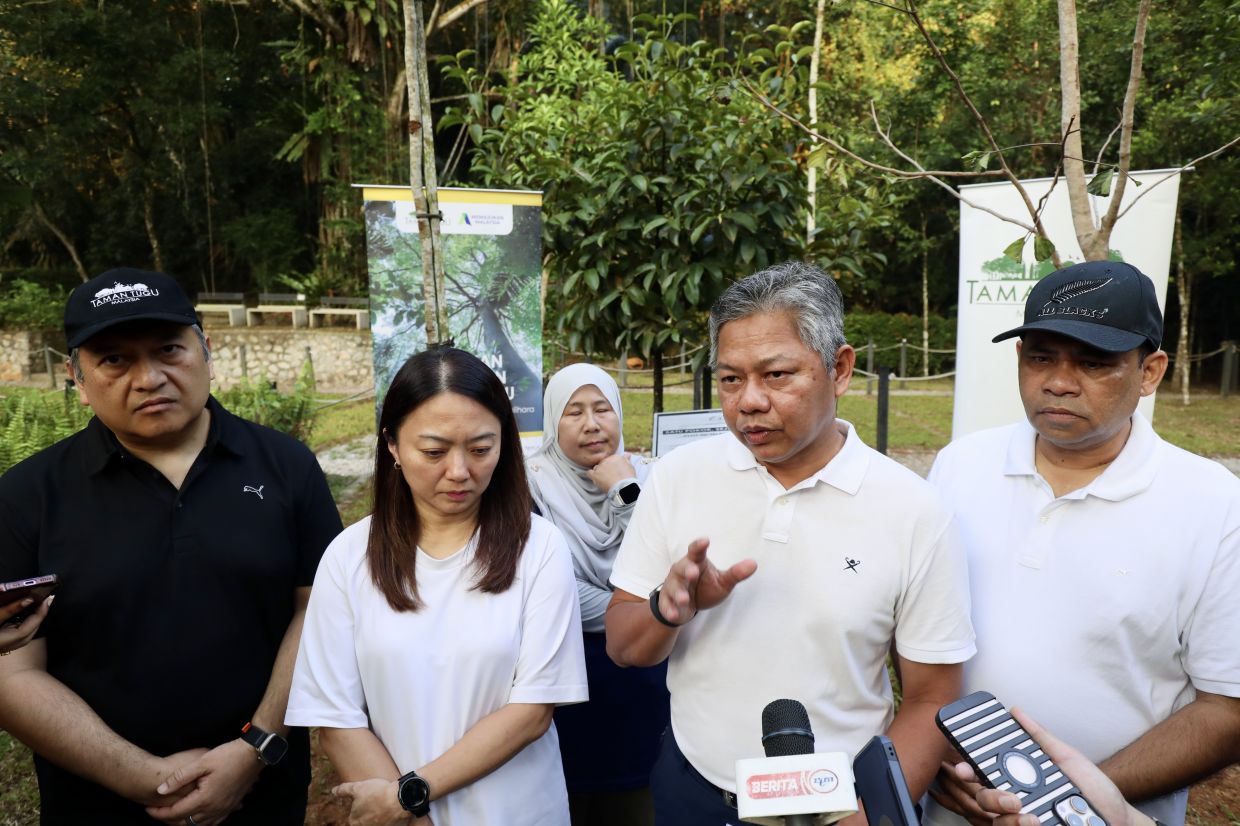
Minister in the Prime Minister's Department (Federal Territories) Hannah Yeoh framed the initiative as part of a broader commitment to environmental protection in the capital. She expressed concern about historical pressures to convert green spaces into commercial developments, arguing that Kuala Lumpur has sufficient built infrastructure and should instead prioritise expansion of its natural landscape. Yeoh's ministry contributed RM50,000 towards tree maintenance and planting at Taman Tugu, with DBKL matching this allocation, demonstrating ministerial support for the city hall's environmental agenda. This financial commitment from the federal level provides some assurance that the sensor installation programme will receive sustained backing beyond its launch phase.
The Taman Tugu Plot Adoption Programme illustrates how the monitoring initiative connects to community engagement strategies. The programme brings together government agencies, private corporations, community organisations, and individual residents around a shared conservation objective. Each 9-square-metre plot will be planted with native Malaysian forest species, helping to restore the ecological character of this important urban green space. By involving multiple stakeholders, DBKL creates both financial support for tree maintenance and public awareness about the value of urban forests, potentially building constituency support for future environmental investments.
For Malaysian readers, this initiative carries particular relevance given the nation's tropical climate and the associated challenges of tree health in dense urban environments. Kuala Lumpur's monsoon rains and occasional severe weather events create specific hazards around compromised tree structures, making the real-time monitoring capability potentially life-saving. The emphasis on native Malaysian species in replanting efforts also reflects a growing recognition that tropical urban forests should prioritise species suited to local conditions rather than imported ornamental varieties that often struggle with pest and disease pressures.
The sensor deployment programme also offers potential lessons for other Malaysian cities confronting similar challenges in balancing urban development with environmental preservation. As other metropolitan areas expand their own urban forestry programmes, the experience DBKL gains from implementing and evaluating this technology could inform best practices across the region. The integration of digital monitoring with traditional arboricultural knowledge represents a model that other Southeast Asian cities with comparable climates and development pressures may find instructive.
Sustainability of the initiative beyond the initial 200-sensor installation remains a consideration. Sensor maintenance, data management, and staff training will require ongoing investment, suggesting that DBKL's commitment to this approach will be tested as the system matures. Nevertheless, the decision to invest in preventive monitoring rather than relying solely on reactive maintenance reflects a maturation in municipal thinking about urban ecosystem management. As Kuala Lumpur positions itself as a world-class city, attention to the health and safety of its urban forest has become integral to that vision, intersecting with climate resilience, public health, and quality-of-life considerations that increasingly influence how citizens evaluate their metropolitan environment.

