Kuala Lumpur City Hall (DBKL) has embarked on a formal land acquisition process aimed at resolving a significant infrastructure dispute affecting residents of Taman Datuk Senu in Sentul. The thoroughfare in question, which serves as a vital public access route, was discovered to be situated entirely on privately owned land—a complication that had gone unaddressed until recent public outcry prompted municipal authorities to take action.
Kuala Lumpur Mayor Datuk Seri Fadlun Mak Ujud revealed that municipal records contained no evidence of any previous land acquisition effort in the vicinity. The road, which has functioned as a main commuting artery for neighbourhood residents across an extended timeframe, effectively operated as an unauthorised thoroughfare on someone else's property. This oversight represents a significant gap in municipal planning and record-keeping that has now come to light through resident complaints circulating on social media.
Dialogue between DBKL and involved stakeholders commenced in February of this year, with preliminary negotiations establishing the framework for a comprehensive resolution. These initial discussions involved representatives from multiple government bodies and the private landowner, laying groundwork for the more formal acquisition machinery that followed. The protracted timeline between the problem's identification and formal action reflects the complexity of resolving land ownership disputes in an urban setting where public usage rights have become established through long-term precedent.
The municipality has now submitted an official application to the Department of the Director General of Lands and Mines (JKPTG), transferring responsibility for the acquisition to the appropriate federal authority. Fadlun emphasised that this matter extends beyond municipal capacity, requiring intervention from higher governmental structures equipped with statutory powers to compulsorily acquire land. The shift in administrative responsibility underscores how disputes involving property rights and public access demands coordination between multiple government tiers rather than local action alone.
The acquisition process follows a clearly defined bureaucratic sequence, beginning with formal approvals at the JKPTG level. Following this initial sanction, the procedure requires publication in the official government gazette to formally notify affected parties. Subsequently, the Valuation Department will assess the property and determine appropriate compensation that must be paid to the landowner. This multi-stage approach, while comprehensive, inevitably extends the resolution timeline beyond what frustrated residents might prefer.
Under optimal conditions, municipal authorities estimate completion within three to four months, provided no significant objections emerge during valuation assessment. This timeframe assumes the legal machinery operates without administrative hiccups and the property valuation assessment proceeds without dispute. However, Fadlun cautioned that the true duration remains contingent upon how smoothly each procedural phase advances through the bureaucratic apparatus.
The Mayor appealed to the affected landowner for patience and cooperation throughout the legal process. Acknowledging that the road has served public needs for an extended duration, his remarks sought to frame the acquisition as a reasonable resolution balancing private property rights against established community access patterns. The diplomatic tone suggests authorities recognise the landowner's legitimate grievance whilst emphasising the greater public interest in maintaining transportation continuity for neighbourhood residents.
The situation gained prominence recently when residents mobilised on social media platforms to publicise their access difficulties following road closure and physical obstruction. This digital amplification of local grievances evidently prompted municipal authorities to expedite their response, converting what might have remained a dormant administrative problem into an urgent priority. The incident illustrates how modern communication channels can rapidly escalate localised disputes into matters demanding high-level government attention.
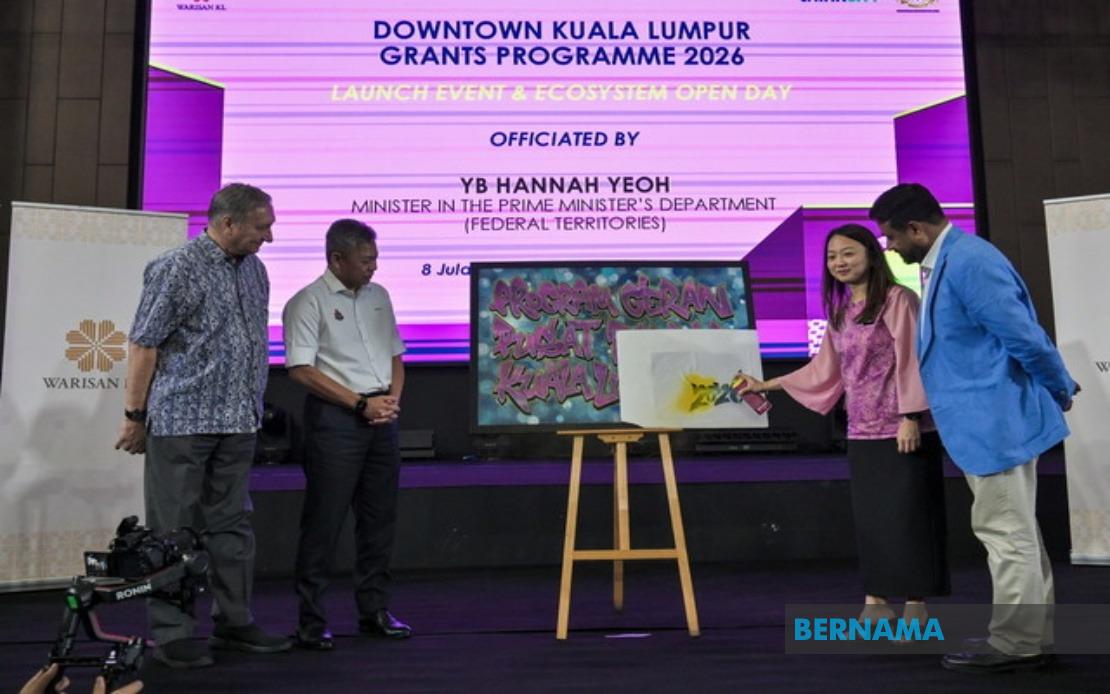
Minister in the Prime Minister's Department (Federal Territories) Hannah Yeoh's presence at the official announcement signalled federal-level engagement with the Sentul neighbourhood dispute. The involvement of both municipal and federal representatives in addressing the access road issue underscores the cross-jurisdictional nature of urban governance challenges in federal territories, where municipal administration operates under federal oversight and occasional coordination.
For Malaysian urban residents and property owners, this case demonstrates the significant complications arising when public usage establishes de facto rights over privately held land without formal acquisition. The Taman Datuk Senu situation represents a cautionary scenario where infrastructure—relied upon by communities for extended periods—operated in a legally ambiguous status until external pressure forced resolution. The incident highlights gaps in municipal land documentation and the potential vulnerabilities that can emerge when public access develops through customary practice rather than formal legal instruments.
The acquisition process, once completed, will establish clear legal title transferring the access road from private to public ownership. This resolution provides a blueprint for addressing similar situations elsewhere in Kuala Lumpur where historical development patterns may have created comparable arrangements. Beyond Sentul, other urban areas across Malaysia's major cities may harbour comparable disputes between established public usage and dormant private property claims, making this resolution precedent particularly relevant for future municipal administration.
The broader implications extend to property rights protection and public infrastructure security in rapidly developing urban environments. Landowners in comparable positions might anticipate similar government acquisition approaches, whilst residents depending on informal access routes would be well-advised to monitor their legal status. The gradual resolution of the Taman Datuk Senu situation demonstrates that whilst bureaucratic processes may be time-consuming, authorities ultimately act when public pressure and administrative scrutiny align.

