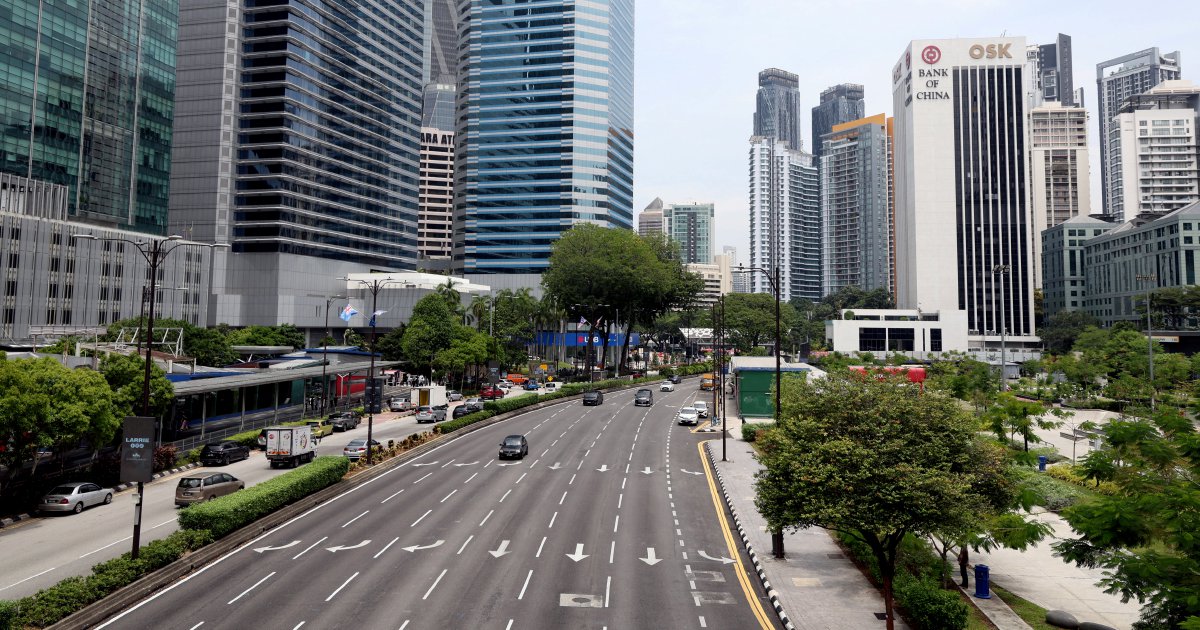
Kuala Lumpur City Hall (DBKL) has launched a formal technical investigation into a fatal tree fall incident and commenced wide-ranging inspections of ageing and potentially unstable trees lining major thoroughfares throughout the capital. The initiative marks a significant response to growing concerns about urban tree safety in one of Southeast Asia's densest cities.
The investigation represents DBKL's attempt to understand the circumstances surrounding the tree collapse and identify systemic vulnerabilities in how the city manages its extensive canopy of mature trees. Technical teams are examining factors including soil conditions, structural integrity, maintenance protocols, and weather impacts that may have contributed to the incident. This forensic approach aims to prevent similar occurrences across Kuala Lumpur's bustling urban landscape.
The inspection programme targets particularly mature specimens and those exhibiting visible signs of disease, instability, or structural weakness. These trees pose elevated risks during monsoon seasons when strong winds and heavy rainfall place additional stress on compromised root systems and weakened limbs. Given Malaysia's tropical climate with its distinct wet seasons, systematic assessment of tree health has become increasingly critical for public safety management in densely populated areas.
For Malaysian residents and businesses operating in Kuala Lumpur, this development carries immediate practical implications. The inspections may result in temporary road closures or traffic diversions as assessment teams work along major arteries. Residents living near identified problem trees should monitor official DBKL announcements for removal or remedial treatment schedules. The council is likely to prioritise trees in high-density areas where potential casualties would be greatest.
The incident also highlights broader challenges facing Malaysia's urban centres as they grapple with balancing environmental conservation against public safety imperatives. Trees provide crucial ecosystem services—reducing urban heat, improving air quality, and managing stormwater runoff—yet poorly maintained specimens become hazards. Cities across the region, including Singapore and Bangkok, have implemented stricter tree management protocols in recent years, establishing benchmarks that Malaysian authorities are increasingly expected to match.
DBKL's response may reshape how the council allocates resources toward arboricultural management. Regular professional inspections, pruning schedules, and replanting programmes require sustained budgetary commitment. The current investigation could justify increased funding requests to upgrade assessment capabilities, employ certified arborists, and implement preventative maintenance across the estimated tens of thousands of street trees under DBKL's jurisdiction. This financial dimension will likely feature prominently in coming budget proposals.
The technical investigation will probably reveal whether DBKL's existing tree monitoring systems proved adequate or require overhaul. Many Malaysian municipalities rely on basic visual surveys rather than advanced diagnostic tools such as sonic tomography or resistograph testing, which detect internal decay invisible to casual inspection. Adopting such technologies would position Kuala Lumpur as a regional leader in urban forestry management while potentially reducing future incidents.
Community engagement represents another critical aspect of DBKL's response. Residents and building managers in affected areas should expect communications soliciting information about trees exhibiting warning signs. Encouraging public reporting of hazardous trees creates additional monitoring layers beyond official inspections. Cities like Kuala Lumpur, where populations are highly connected via digital platforms, can leverage smartphone applications to enable residents to flag problematic trees directly to authorities.
The broader Southeast Asian context underscores why this investigation matters beyond Kuala Lumpur's boundaries. Rapid urbanisation throughout the region has created competing demands on urban space, often sidelining adequate tree care. As cities grow denser and infrastructure ages, the risks multiply. DBKL's investigation findings may inform best practices that other Malaysian cities—Johor Bahru, Penang, and Kuala Terengganu—could adopt to strengthen their own tree management frameworks.
Temporarily, the inspection programme may inconvenience motorists and merchants along affected routes, but the long-term payoff justifies short-term disruptions. Removing dangerous trees and implementing preventative measures reduces liability risks for the city council, protects residents and workers, and ultimately enhances Kuala Lumpur's livability. The investigation phase will likely extend several weeks as teams systematically evaluate trees, prioritise interventions, and develop comprehensive remedial action plans.
This incident serves as a sobering reminder that urban environments, despite their modern infrastructure and sophisticated governance systems, remain subject to natural forces requiring respect and vigilant management. DBKL's investigation and subsequent inspections represent necessary steps toward creating a safer capital for millions of residents, employees, and visitors who navigate Kuala Lumpur daily.

