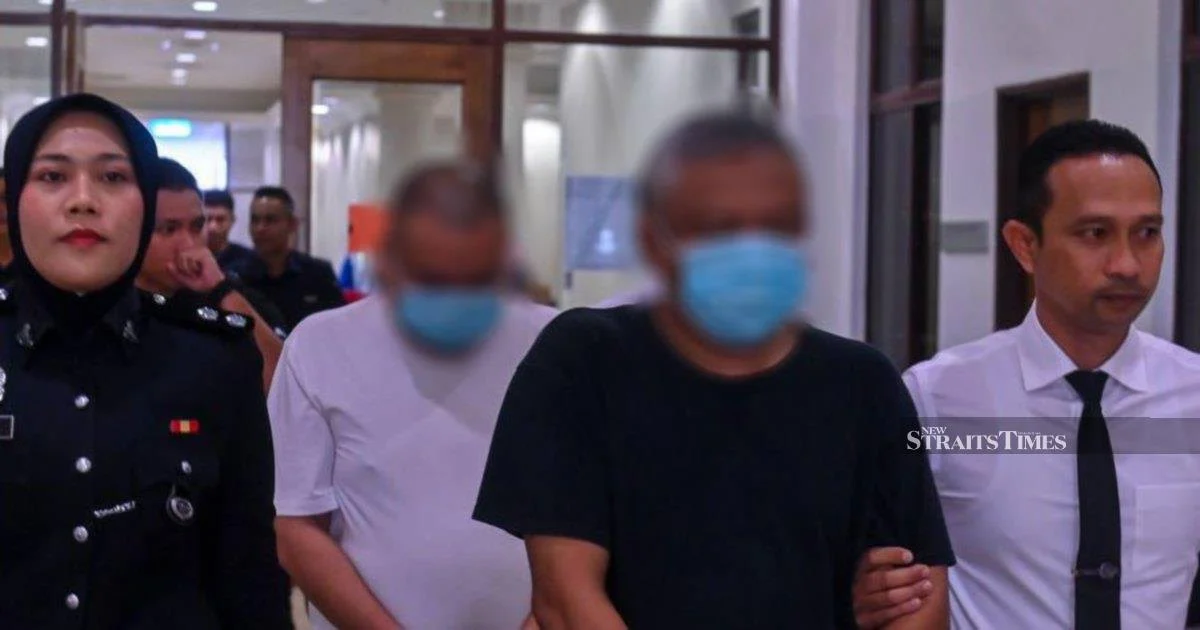
A Datuk-titled businessman and his assistant faced arrest in Kuantan this week following investigations into an elaborate document forgery scheme centred on the official letterhead and coat of arms of the Tengku Mahkota of Pahang. The pair, whose identities remained under investigation at the time of reporting, stand accused of fabricating correspondence that falsely carried the royal seal and authentication markers typically reserved for official palace communications.
Document forgery involving royal insignia represents a particularly serious breach of Malaysian law, as such instruments can be leveraged to lend false credibility to fraudulent transactions, contracts, or financial schemes. The decision to exploit Pahang's highest-ranking royal office suggests the perpetrators sought to exploit the substantial legitimacy and trust that genuine palace correspondence commands in business and financial circles. Counterfeiting royal official stamps or letterheads falls under Malaysia's Penal Code provisions covering forgery for fraudulent purposes, exposing the accused to substantial penalties.
The arrest underscores a recurrent vulnerability within Southeast Asia's broader financial ecosystem, where forged governmental and institutional credentials remain an effective tool for scammers targeting both corporate and retail victims. Criminal networks frequently combine document forgery with impersonation tactics, leveraging the institutional authority lent by official-looking communications to bypass conventional fraud detection measures. The sophistication of modern printing and digital reproduction techniques has expanded the accessibility of such schemes beyond traditional crime syndicates to opportunistic fraudsters seeking rapid financial gain.
Pahang's position as a state with significant commercial and agricultural activity makes it a logical target for such schemes, as the region hosts numerous business transactions where authority verification through official channels occurs infrequently. The exploitation of royal institutions for fraudulent gain carries reputational implications extending beyond the immediate victims, potentially undermining public confidence in the authenticity of legitimate palace communications. This creates secondary compliance burdens for genuine royal offices forced to implement additional authentication protocols to counteract forged material circulating in the marketplace.
The involvement of a Datuk-titled individual in such activities compounds the case's significance, as it illustrates how official status and social standing do not automatically insulate individuals from criminal behaviour. In Malaysian society, the Datuk honor carries social cachet and assumed respectability that fraudsters may weaponise to gain access to high-value targets or business networks where such titles garner particular deference. The cooperation of an assistant indicates a structured operation rather than isolated opportunism, suggesting the pair may have operated a coordinated scheme with assigned roles in document preparation, distribution, and financial transactions.
Investigators in Kuantan would be examining the scope and duration of the forgery operation, including the quantity of fraudulent documents produced, the range of victims targeted, and the financial scale of losses incurred. The specificity of utilizing Pahang's royal insignia rather than generic corporate headers indicates potentially directed targeting of Pahang-based entities or businesses with regional connections to the sultanate. Digital forensics would likely establish how the perpetrators obtained or replicated the original design elements, whether through insider access, purchasing online templates, or independent scanning and reproduction of legitimate documents.
For Malaysian businesses and individuals accustomed to transacting with state institutions, the case underscores the importance of independent verification protocols when receiving correspondence purporting to come from official channels. Legitimate palace offices maintain contact directories and verification procedures specifically designed to authenticate communications, yet these mechanisms remain underutilised by many potential victims prioritising transaction speed over verification security. Educational initiatives highlighting authentication best practices could substantially reduce the effectiveness of such schemes, particularly across business sectors where officials carry decision-making authority over substantial financial commitments.
The arrest also signals law enforcement's ongoing capacity to investigate sophisticated white-collar fraud schemes involving document manipulation and institutional impersonation. The Royal Malaysia Police Economic Crimes Investigation Division maintains specialised forensic capabilities for examining forged materials, cross-referencing patterns with known forgery networks, and establishing links between perpetrators and downstream recipients of fraudulent documents. Cooperation between federal investigators and state-level authorities proved essential in establishing the case structure and determining appropriate charges under relevant penal provisions.
The broader implications extend to regulatory frameworks governing document authentication across Malaysian commerce. Government agencies and private institutions remain vulnerable to internal compromise where employees with access to printing facilities or design materials might facilitate forgery operations in exchange for financial incentives. Enhanced security protocols limiting access to official design elements and implementing chain-of-custody procedures for authentication materials represent necessary preventive measures, though implementation costs and operational friction remain ongoing implementation challenges across the public sector.
As the investigation progresses, authorities would be evaluating potential additional charges related to money laundering provisions if fraudulent proceeds were channelled through formal financial systems. The perpetrators' access to business networks through the Datuk's existing social position may have enabled targeting of high-net-worth individuals or corporate entities less likely to question authority-backed documentation from recognised businesspersons. Victim identification remains an ongoing aspect of the investigation, with authorities likely reaching out to potential targets whose names appeared on distributed fraudulent documents or whose businesses conducted transactions allegedly authorised through forged correspondence.

