Kuala Lumpur residents will have the opportunity to witness the FIFA World Cup 2026 final on a colossal screen at Dataran Merdeka in the early morning hours of Monday, July 20th. The initiative marks a significant public gathering designed to unite the city's diverse communities around a globally celebrated sporting event.
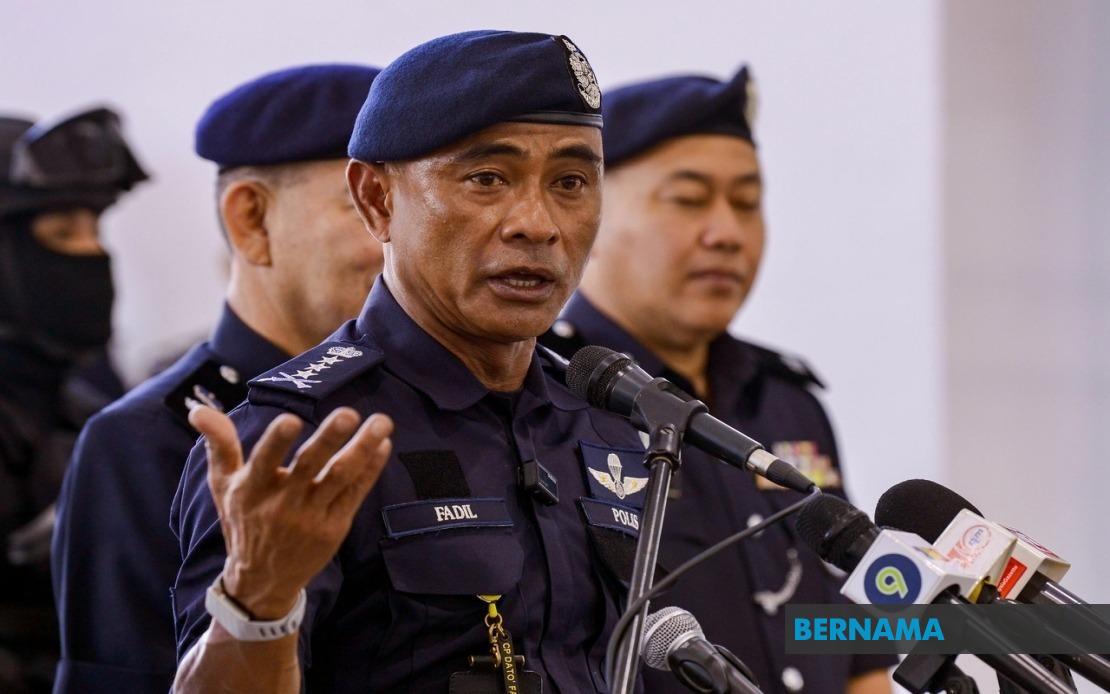
Kuala Lumpur police chief Datuk Fadil Marsus outlined the screening as a centrepiece of the "Unity Merdeka" programme, which commenced mid-week and continues through Sunday. The collaborative effort involves the city police department working alongside 16 government ministries to create a multifaceted community engagement initiative. The underlying purpose extends beyond entertainment, with organisers emphasising the value of fostering stronger bonds among Malaysia's multicultural population through a shared experience.
The event framework reveals an ambitious scope of activities beginning at 8 pm on Sunday, with the World Cup final providing the climactic moment of the day's schedule. Police leadership has indicated their confidence in the appeal of this sporting spectacle, with projections suggesting the gathering could attract between 250,000 and 300,000 attendees to the historic venue. This projection underscores the significant public interest in international football and the potential for large-scale civic participation around major global events.
The scale of the expected attendance has prompted the organisers to pursue official recognition. Datuk Fadil Marsus disclosed ambitions for the gathering to secure a place in the Malaysia Book of Records, potentially as the largest live-viewing assembly for a sporting event within the country. Such recognition would reflect not only the event's success in drawing crowds but also validate the collaborative approach taken by law enforcement and multiple government agencies in mobilising public participation.
Preparation for the main screening event began with a parallel initiative held at Dataran Merdeka on Sunday. The Unity Merdeka Fun Run, a five-kilometre course, drew approximately 2,000 community members and exemplified the programme's grassroots engagement philosophy. Among the participants was DCP Datuk Mohd Azani Omar, deputy police chief of Kuala Lumpur, demonstrating leadership commitment to the unity initiative. The inclusion of 16 journalists from the Crime Journalists Association also highlighted efforts to ensure media coverage and public awareness of the community-building objectives.
The Unity Merdeka programme operates under the unifying theme of "Diversity United, Wellbeing Preserved," reflecting a strategic emphasis on inclusivity across demographic and socioeconomic lines. The programming structure incorporates an expansive range of interests and age groups, spanning welfare initiatives, cultural performances, educational components, religious observances, family-oriented activities, and entertainment options. This deliberate diversification suggests recognition that successful community unity requires multiple engagement pathways rather than a single monolithic approach.
Supporting the main World Cup screening are numerous interactive installations and exhibitions strategically positioned throughout the venue. Participating agencies include the Royal Malaysia Police, Malaysian Armed Forces, Fire and Rescue Department, and Ministry of Health. These institutional presences serve dual purposes: they provide security infrastructure for managing large crowds while simultaneously offering the public educational access to government services and operations. Such exhibitions transform the gathering from a purely entertainment-focused event into a broader civic engagement platform.
The timing of the World Cup final screening carries particular significance for Malaysian audiences. International football commands substantial viewership in the region, with the tournament generating enthusiasm across diverse age groups and communities. By providing a free public viewing experience at an iconic national location, the Kuala Lumpur police and their ministerial partners democratise access to what might otherwise be a dispersed, fragmented viewing experience across television sets and commercial venues. This collective dimension potentially amplifies the sense of national and community participation.
From a policing and event management perspective, the coordination required to manage 300,000 people at Dataran Merdeka represents a substantial logistical undertaking. The police force's central role in organising such a large-scale gathering reflects contemporary approaches to community policing that prioritise relationship-building over enforcement. By creating platforms for positive public interaction rather than restricting movement or limiting access, police departments can reshape community perceptions and build social capital within urban environments.
The integration of multiple government ministries into a single coordinated programme demonstrates an attempt at whole-of-government engagement with citizens. Rather than isolated departmental initiatives, this approach facilitates cross-agency collaboration and creates comprehensive touchpoints for public interaction with government services. For citizens attending the screening, exposure to various ministerial exhibitions and activities may increase awareness of available government programmes and services, potentially improving civic engagement beyond the immediate event.
The emphasis on inclusivity and family participation reflects demographic considerations within Malaysia's urban centres. By welcoming participants of all ages and backgrounds, the organisers create an environment where community members can introduce younger generations to civic participation, potentially cultivating long-term engagement with public events and community initiatives. This intergenerational dimension strengthens the broader social fabric and reinforces values of collective participation.
For Southeast Asian observers, the Kuala Lumpur initiative illustrates how cities can leverage major international sporting events as anchors for community development programmes. While countries like Qatar and previous World Cup hosts have constructed elaborate stadiums and infrastructure, Kuala Lumpur's approach demonstrates that meaningful civic engagement and community unity can emerge from thoughtful programming at existing public spaces with coordinated multi-stakeholder participation.

