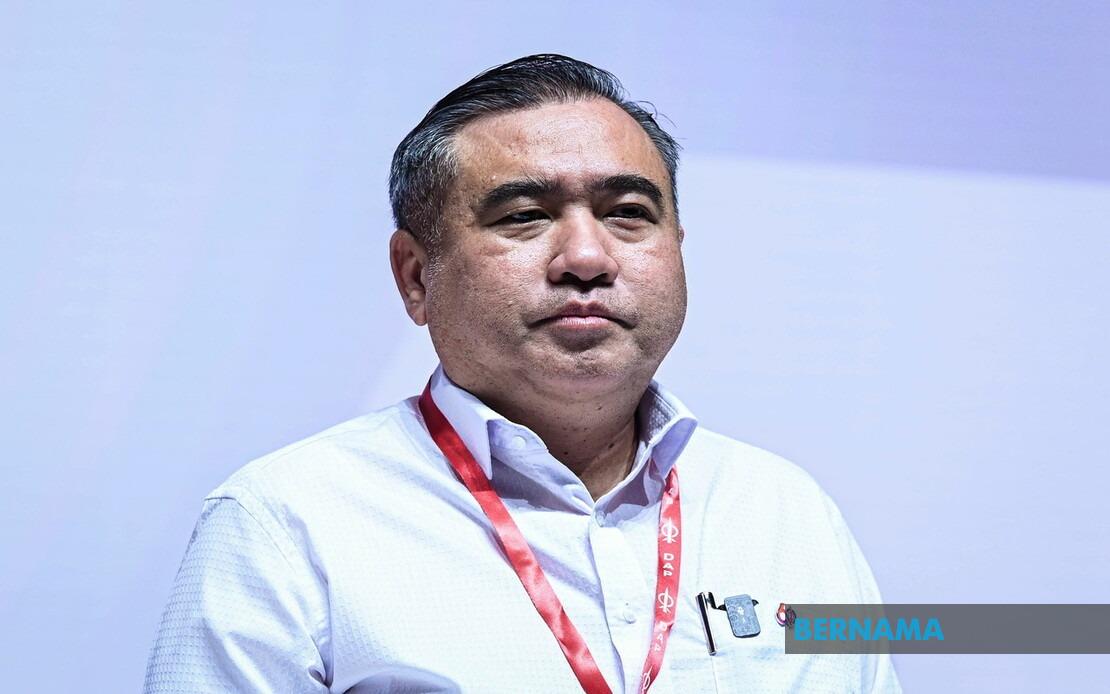
The Democratic Action Party will use Cabinet meetings to relay demands from its membership for a more aggressive and decisive government posture, according to secretary-general Anthony Loke, speaking after the party's 2026 conference concluded at the Putrajaya International Convention Centre. The commitment reflects DAP's decision to maintain its participation in the governing Unity Government arrangement, a choice that emerged through party-wide deliberation and member voting this week. The announcement signals that while the party remains fundamentally committed to the current political arrangement, internal pressures exist for the government to adopt a more forceful approach to its legislative agenda and reform initiatives.
The conference featured unusually candid discussion, with delegates given explicit permission to voice criticism of both party leadership and government performance without fear of discipline. This transparency proved significant in shaping the outcome of the confidence vote on continued participation in the Unity Government. Anthony Loke acknowledged that critical perspectives were presented throughout the proceedings, with some members arguing that both the party and the administration needed to demonstrate greater assertiveness in pursuing their policy objectives. Rather than suppressing these voices, party leadership chose to incorporate them into the formal mandate that DAP representatives will carry into forthcoming government discussions.
The voting outcome showed substantial, though not universal, support for remaining in the coalition. Of the 2,106 ballots distributed, 1,857 delegates voted in favour of continued participation in the Unity Government, representing 88 percent of votes cast, while 242 opposed the arrangement and seven ballots were rendered invalid. Loke underscored respect for democratic procedure by explicitly acknowledging the 12 percent minority who voted against ongoing membership in the government, asserting that their dissenting views reflected legitimate political positions deserving recognition. This careful framing sought to preserve party unity despite a significant bloc of members questioning the current political strategy.
The secretary-general confirmed that delegates who opposed remaining in the government would face no repercussions or sanctions from party machinery. This stance reflects an attempt to maintain internal cohesion at a moment when obvious disagreement exists over the appropriate relationship between DAP and the broader Unity Government framework. By guaranteeing safety for dissenters and incorporating their feedback into official party communications, leadership aimed to demonstrate that internal democracy remains functional even when membership division emerges.
Loke specifically indicated that the feedback loop between grassroots members and government decision-makers would operate through formal Cabinet channels rather than public pressure campaigns. This positioning suggests an effort to separate internal party deliberation from external political theatre. The secretary-general noted that aspirations and concerns raised by delegates would form part of the official mandate carried by DAP's ministerial representatives in government discussions, indicating that these aren't merely symbolic gestures but intended to shape actual policy formulation and implementation strategy.
The party leadership further contextualized the conference agenda as a shared governmental project rather than a DAP-specific platform, pushing back against criticism from opposition parties suggesting the conference represented an attempt to pressure Prime Minister Anwar Ibrahim. Loke emphasized that several major reforms discussed at the conference—including separation of the Attorney-General and Public Prosecutor roles, limiting prime ministerial tenure to two terms, and anti-corruption measures—had already been agreed upon at multiple governance levels. These commitments emerged through Pakatan Harapan coalition discussions and broader Unity Government deliberations, not solely from DAP internal advocacy.
For Malaysian political observers, this outcome reveals the perpetual tension within coalition governments where constituent parties maintain distinct identities and membership bases while participating in unified executive structures. DAP's approach suggests that maintaining coalition participation while channeling grassroots dissatisfaction through formal governmental processes represents a viable middle path. However, the existence of a substantial voting bloc opposing continued participation indicates that this balance remains fragile and subject to future reassessment if government performance doesn't improve in areas where members perceive weakness.
The emphasis on shared agenda rather than partisan platform development reflects broader concerns across Southeast Asian coalition governments about legitimacy and perceived favoritism toward particular coalition members. By stressing that reform initiatives represent cross-party consensus, DAP attempts to prevent opposition parties from framing these efforts as one component attempting to impose its vision on the broader government. This defensive positioning suggests awareness that public perception of the coalition government remains contested and vulnerable to narratives suggesting particular parties exercise disproportionate influence over governance direction.
The decision to maintain participation through Cabinet channels for feedback transmission also indicates calculated reluctance to employ public pressure tactics that might destabilize the coalition. This reflects lessons from earlier political cycles when open coalition disputes damaged public confidence in government stability. By internalizing disagreement and processing it through formal governmental structures, DAP seeks to preserve coalition functionality while creating space for course correction on specific policy matters without triggering broader governmental crisis.
Looking forward, the conference outcome establishes parameters for the coming period of governance. DAP's membership has provided clear guidance that continued coalition participation is acceptable provided government becomes more decisive and assertive on pending reforms. This creates both opportunity and obligation for party ministers to demonstrate concrete progress on flagship initiatives, particularly those relating to institutional reform and anti-corruption efforts. Failure to translate conference mandates into tangible governmental action could generate renewed pressure for reassessment of coalition participation in subsequent party gatherings.
The transparent deliberation process at the conference also carries implications for internal party management. By permitting open criticism and protecting dissenters from retribution, DAP leadership signaled confidence in democratic institutions and willingness to accommodate minority perspectives within broader collective decisions. This approach contrasts with more authoritarian party management models and may enhance the party's appeal among members who value internal democracy, though it also leaves space for continued pressure from the dissenting 12 percent if government performance disappoints.
For the broader Unity Government coalition, DAP's conference decision provides both reassurance and challenge. The decision assures other coalition partners that DAP intends to remain engaged in governance structures rather than withdrawing into opposition posturing. However, the substantial membership feedback calling for more decisive and assertive action places implicit pressure on government leadership to demonstrate visible progress on agreed reforms. The next several months will test whether Cabinet processes for incorporating DAP feedback translate into meaningful policy acceleration or whether the current approach represents temporary accommodation of internal party pressure destined to resurface.

