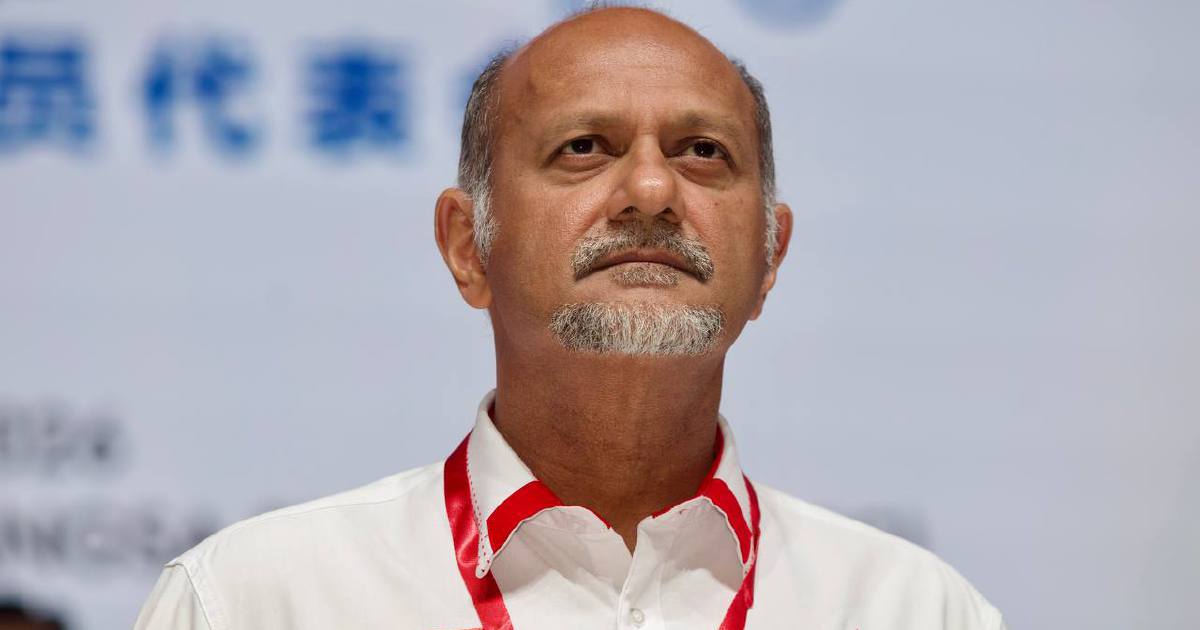
Malaysia's Democratic Action Party has raised its voice for more ambitious institutional and economic restructuring under Prime Minister Datuk Seri Anwar Ibrahim's administration. Speaking from Putrajaya, DAP national chairman Gobind Singh Deo articulated the party's position that the pace of reform must quicken as the ruling coalition navigates its third and a half years in power.
The call represents a significant marker in Malaysia's political landscape, where coalition partners have grown accustomed to balancing competing interests while maintaining governmental stability. By initiating this public appeal, the DAP—a key component of the unity government—signals both its commitment to the broader reform agenda and its growing concerns about the momentum and scope of transformative change. The timing is particularly noteworthy, as coalitions typically reassess their direction and trajectory at such milestones.
Institutional reform in the Malaysian context encompasses a broad spectrum of governance improvements, ranging from civil service efficiency and judicial independence to transparency mechanisms and accountability frameworks. These structural changes are fundamental to strengthening public confidence in government institutions and improving service delivery. The DAP's emphasis suggests that progress in these areas may have fallen short of the party's expectations or that additional measures are necessary to address systemic challenges that continue to hinder administrative effectiveness.
Economic reform similarly demands multifaceted attention in Malaysia's current environment. The nation faces persistent challenges including rising costs of living, labour market uncertainties, and the need to remain competitive in an increasingly volatile global economy. Economic restructuring typically involves modernising industrial policies, enhancing financial sector resilience, addressing regional disparities in development, and ensuring that growth benefits reach broader segments of society rather than concentrating among elite groups.
For Malaysian readers and businesses monitoring government direction, DAP's intervention carries practical implications. The party's advocacy potentially foreshadows forthcoming policy proposals, budget allocations, or legislative initiatives that could reshape commercial environments and administrative procedures. Foreign investors tracking political consensus within Malaysia's coalition will view this statement as an indication of where domestic political forces believe the government should direct its energies.
The unity government itself represents an unprecedented political arrangement in modern Malaysia, bringing together parties across the ideological spectrum following the 2022 elections. This coalition structure requires continuous negotiation and compromise among constituent parties with distinct voter bases and policy priorities. DAP's public call for accelerated reform must be understood within this context—it is simultaneously a demonstration of party independence and a contribution to internal coalition discussions about future direction.
Regional observers will note that Southeast Asia's broader development trajectory increasingly depends on institutional quality and economic dynamism in individual nations. Malaysia's position as a relatively developed Southeast Asian economy with significant trading relationships throughout the region means that the institutional and economic reforms undertaken here have implications extending beyond national borders. More efficient governance and stronger economic frameworks create positive spillover effects for regional commerce and investment flows.
The specific nature of reforms that DAP advocates remains to be fully elaborated, though the party's historical positioning suggests emphasis on anti-corruption measures, merit-based civil service advancement, and inclusive economic policies. These themes have long characterised DAP's policy stance and reflect the party's appeal to urban, educated constituencies concerned with governance quality and social equity.
Government response to such coalition partner pressure typically involves balancing the legitimate demands of allies against competing priorities and fiscal constraints. Prime Minister Anwar's administration must manage expectations while demonstrating genuine commitment to substantive change. The coming months will reveal whether DAP's call translates into concrete policy announcements and budgetary redirections toward institutional strengthening and economic restructuring.
The broader significance of this intervention lies in what it reveals about coalition dynamics at this stage of the unity government's lifecycle. Political alliances tend to either deepen and achieve greater stability or fragment under accumulated disagreements. DAP's public statement suggests the party believes now is the appropriate moment to articulate expectations clearly and press for more ambitious governance transformation, rather than allow momentum to dissipate through passive acceptance of incremental progress.
For Malaysia's business community, civil society organisations, and ordinary citizens awaiting tangible improvements in service delivery and economic opportunity, DAP's call reinforces a message that significant structural change remains incomplete. Whether such pressure proves sufficient to catalyse accelerated reform or merely represents familiar political positioning will become evident as the unity government proceeds through its remaining term and contemplates renewal or realignment.

