The Democratic Action Party has delivered unambiguous backing for Prime Minister Datuk Seri Anwar Ibrahim's initiative to repeal the Universities and University Colleges Act (AUKU), marking a decisive stance from the coalition government's strongest component in Parliament. The announcement underscores the extent to which DAP, historically a vocal advocate for civil liberties and academic freedom, views the AUKU abolition as a priority within the broader reform trajectory the administration has committed to undertaking.
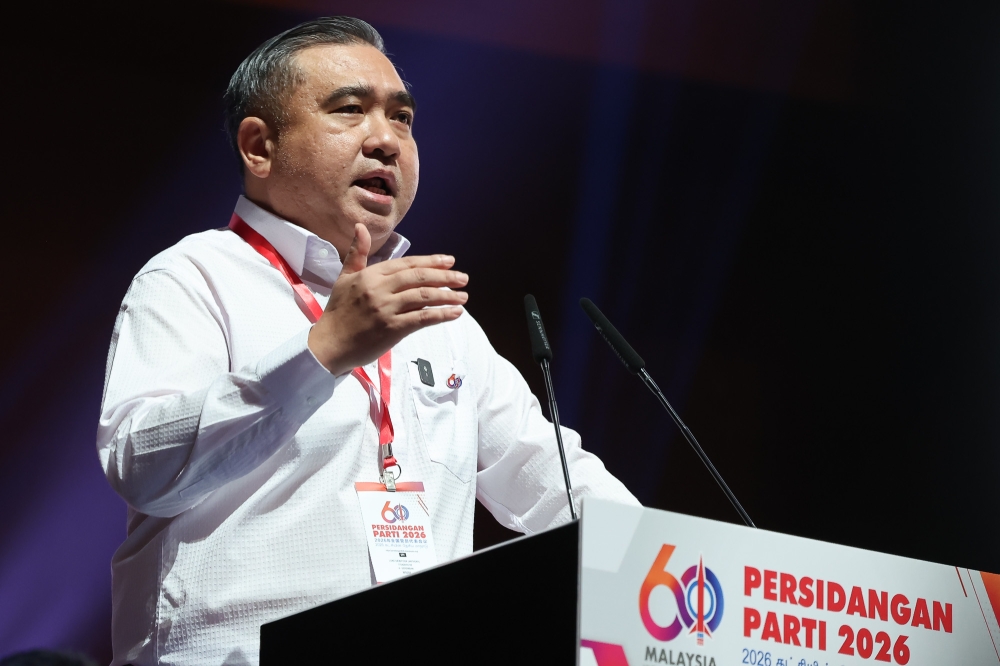
However, senior DAP figures including Transport Minister Anthony Loke have signalled that the party's vision extends well beyond this single legislative reform. Speaking in Putrajaya, Loke articulated the view that while the AUKU repeal represents a meaningful step, the government's reform programme must encompass a more comprehensive overhaul of laws affecting fundamental freedoms and governance structures. This nuanced position reflects DAP's traditional emphasis on democratic deepening and the protection of civic space—concerns that have animated the party's political platform for decades.
The AUKU, a piece of legislation dating back to the post-independence era, has long drawn criticism from civil society organisations, academics, and opposition figures who argue it unduly restricts the political speech and organising activities of university students and staff. Proponents of abolition contend that the act creates a chilling effect on intellectual discourse and democratic participation within Malaysia's higher education institutions. The measure effectively bars universities from being used for political activities, a restriction that many view as anachronistic in an era when democratic societies elsewhere have expanded rather than contracted the political space available to academic communities.
Anwar Ibrahim's public commitment to repealing the AUKU has been presented as part of a wider programme of institutional reforms aimed at restoring public confidence in governance and strengthening democratic institutions. The Prime Minister has framed the initiative within a broader narrative of democratic renewal, positioning it as a response to long-standing civil society demands and as evidence of his administration's willingness to revisit colonial-era legislation that many perceive as incompatible with contemporary democratic norms and practices.
DAP's unequivocal endorsement carries particular significance given the party's historical role as a champion of parliamentary accountability and civil liberties. The party's parliamentary representation and influence within the Pakatan Harapan coalition mean that its backing substantially improves the legislative pathway for AUKU abolition. With DAP's support essentially guaranteed, the government can proceed with greater confidence that the necessary parliamentary votes will materialise, removing a significant bureaucratic and political hurdle.
Yet Loke's public comments suggesting the necessity for broader reforms indicate that DAP recognises the abolition of a single act, while symbolically important, addresses only one dimension of the structural issues affecting Malaysian democracy and civil space. The party appears to be using the AUKU moment as a platform to press for additional legislative changes, potentially including amendments to sedition laws, freedom of assembly regulations, or other statutes that limit political expression and organising. This positioning allows DAP to demonstrate progressive credentials while simultaneously creating political space for negotiations over a wider reform agenda.
The stance also reflects broader conversations within Malaysian civil society about the pace and scope of democratic reform. Activist organisations and think tanks have long contended that piecemeal reforms, while welcome, leave intact other problematic legislative frameworks that constrain democratic practice. DAP's framing appears responsive to these critiques, suggesting that the party understands its coalition partners and the broader public expect sustained momentum on multiple fronts rather than symbolic gestures on isolated issues.
For Prime Minister Anwar, securing DAP support without apparent conditions strengthens his hand domestically and internationally. On the international stage, the AUKU abolition provides concrete evidence of democratic commitment at a moment when Malaysia faces scrutiny from rights monitoring organisations and foreign governments regarding its record on civil liberties. Domestically, the move helps Anwar consolidate his image as a reformer while maintaining coalition stability, a delicate balance given the ideological and constitutional diversity of his parliamentary partners.
The timing of DAP's public pronouncement also carries significance within the broader context of Malaysian coalition politics. By articulating clear, unambiguous support now, rather than allowing the proposal to become subject to extended parliamentary debate and potential amendments, DAP signals its commitment to the coalition's stability and demonstrates capacity for decisiveness on signature policy matters. This may be particularly important given the fluidity of Malaysian parliamentary mathematics and the relatively slender margins by which the current administration governs.
Looking forward, the successful passage of AUKU abolition could establish momentum for additional civil liberties reforms, particularly if Loke and other DAP figures continue to press the government on the scope and pace of broader changes. Whether Anwar's administration proves willing to undertake the more expansive reform agenda that DAP appears to favour remains an open question, one that will likely define the trajectory of the coalition's reform programme and shape Malaysia's democratic trajectory in the coming years.

