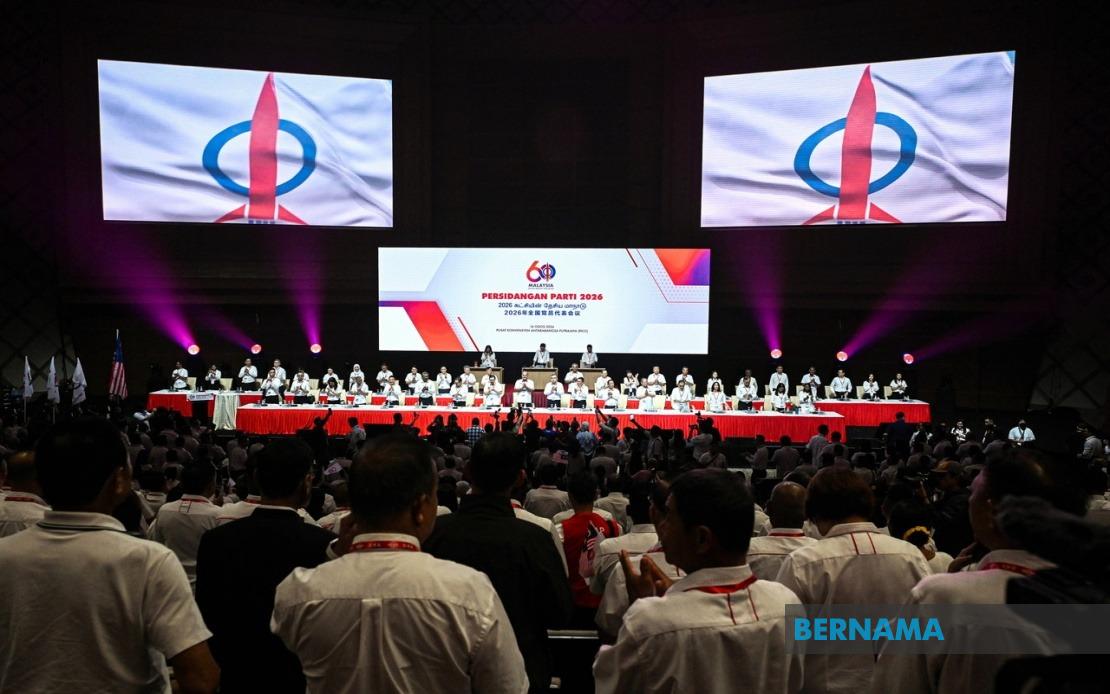
The Democratic Action Party appears positioned to remain a component of Malaysia's ruling coalition after state delegates at its 60th anniversary conference overwhelmingly backed continued participation in the Unity Government. The decision, made via secret ballot by 4,264 delegates representing 1,704 party branches at the Putrajaya International Convention Centre, reflects internal consensus on maintaining the political partnership despite recent electoral disappointments that have eroded DAP's support in several states.
The core argument advanced by supporters centres on honouring commitments made during the 2022 general election. Multiple delegates emphasised that withdrawing from federal administration would betray voters who backed the coalition's platform and leave promised institutional reforms incomplete. This reasoning carries particular weight given DAP's traditional role as an advocate for systemic change and transparency within Malaysian governance structures, making the party's participation seem essential to credibility on those fronts.
Perak delegate Jason Ng Thien Yong articulated a pragmatic stance that acknowledges electoral losses while defending the decision to remain in office. He contended that despite setbacks in state-level contests, DAP must push reform agendas forward and build a stronger platform for the next general election, suggesting that internal influence over policy proves more valuable than symbolic opposition. This reflects a broader calculation that the costs of exiting—including loss of ministerial leverage and perceived abandonment of reform efforts—outweigh remaining within an imperfect governing arrangement.
Veteran Leong Ngah Ngah from Pahang invoked the track record of the past three years, pointing to specific accomplishments under Prime Minister Datuk Seri Anwar Ibrahim's administration as justification for continuity. By framing the decision as a mature recognition of tangible successes rather than ideological purity, he positioned support for staying as evidence of pragmatism rather than compromise. This messaging strategy proves important for party unity, as it reframes the coalition partnership as an active choice based on results rather than a lesser-evil acceptance.
Party secretary-general Anthony Loke provided crucial clarity during his closing remarks, signalling that continued participation would neither constitute a "blank cheque" to either the Central Supreme Committee or the Prime Minister nor obligate unconditional support for government policies. His statement effectively reassured delegates that backing the motion preserved DAP's institutional independence and capacity to criticise governing decisions from within the coalition—a distinction that allows members to reconcile their participation with the party's historical identity as a check on executive power.
The emphasis across speeches on anti-corruption work, cost-of-living relief, and protection of minority rights indicates that delegates are framing their vote as continuation of substantive agenda items rather than mere political survival. Selangor's Muhammad Shakir Amerr Mohideen explicitly tied DAP's future electoral prospects to demonstrating effective governance now, suggesting that the party must prove its administrative competence to recover ground lost in recent polls. This argument inverts the logic that withdrawal represents strength, instead positioning continued engagement as necessary for rebuilding voter confidence.
The inclusion of delegates from all regions—from Sabah's Yap Wui Lip, who stressed Malaysia Agreement 1963 implementation, to representatives from Peninsular states and Sarawak—demonstrates broad geographic support. Notably, Yap's emphasis on MA63 rights highlights how DAP's coalition participation allows advocacy for region-specific demands that opposition status might not facilitate, adding another dimension to the staying argument beyond purely federal considerations.
Malaka delegate Jason Tze-Xi Nathan's reasoning—that maintaining coalition membership is simpler than defending an exit to voters—reflects the practical political burden of reversing such a major decision. The reputational cost of withdrawal, he suggested, would complicate DAP's electoral messaging and potentially validate opposition claims that the party overreached in joining the government. This calculation reveals concern that exiting the coalition mid-term would appear opportunistic rather than principled.
For Malaysian readers evaluating DAP's positioning, the conference outcome confirms that the party intends to remain a stabilising force within the Unity Government framework through the 16th parliamentary term, currently expected to conclude by 2028. This has implications for coalition durability, as DAP's continued support removes one potential triggering mechanism for early elections or government collapse. The decision also indicates that despite electoral setbacks, internal party mechanisms retained sufficient confidence in the coalition arrangement to endorse its continuation.
The broader context includes recent state election losses that might have triggered party soul-searching. Yet the recorded speeches emphasise learning from defeats and improving performance rather than abandoning the governing partnership. This suggests DAP's internal deliberation weighed the short-term political cost of losses against longer-term calculations about maintaining leverage over the reform agenda and positioning for eventual electoral recovery.
The secret ballot mechanism itself carries significance, permitting delegates to vote their conscience without factional pressure or public accountability to specific constituencies. This procedural approach likely enabled wider support than might have emerged through open voting, particularly among delegates from areas where electoral sentiment might oppose coalition participation. The secrecy preserved internal party unity while allowing the formal decision to proceed.
Moving forward, DAP's continued participation means Malaysian opposition politics will operate primarily through PKR, Amanah, and other smaller parties outside the governing coalition. This configuration has stabilised cabinet-level support and prevented the kind of defections that destabilised previous administrations, but it also narrows spaces for institutional criticism from parties theoretically closer to progressive concerns. DAP's commitment to maintain coalition discipline while advocating reform from within will determine whether this balance produces effective governance or merely calcified power-sharing arrangements.

