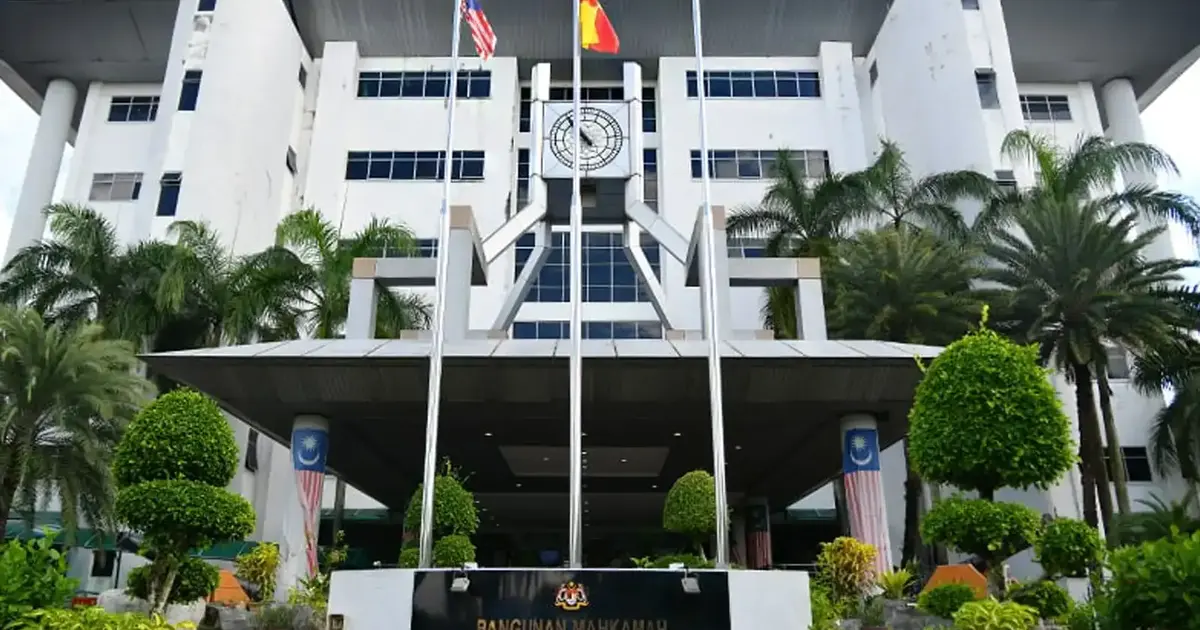
A Malaysian customs officer has claimed trial to allegations of accepting cash payments to abandon an active investigation, marking another high-profile corruption case within the nation's enforcement apparatus. Fareez Akhmal Yusuf faces charges pertaining to an alleged incident on June 29 when he is said to have received RM15,000 from a 50-year-old suspect, purportedly in exchange for ceasing inquiries into the matter.
The case underscores persistent vulnerabilities within Malaysia's customs administration, an agency responsible for managing border security and combating smuggling operations across the country. When frontline enforcement officers become compromised through financial inducement, the ripple effects extend beyond individual corruption—they undermine the institutional credibility of agencies tasked with protecting national economic interests and preventing illicit trade flows that threaten legitimate businesses and government revenue.
The specificity of the allegation—a defined sum transferred on a documented date—suggests investigators possessed sufficient evidence to proceed with formal charges. Such precision typically emerges from witness testimony, financial records, or surveillance documentation that established the nexus between the payment and the alleged quid pro quo arrangement. The decision to bring charges demonstrates commitment from anti-corruption authorities, though the case now hinges on the court's assessment of available evidence.
Malaysia's track record on high-profile corruption prosecutions remains mixed. While the Malaysian Anti-Corruption Commission (MACC) has successfully pursued several significant cases in recent years, enforcement outcomes have occasionally disappointed observers expecting more sweeping accountability measures. The success rate of such prosecutions depends substantially on witness credibility, documentary evidence robustness, and the legal representation marshalled by both prosecution and defence teams.
The customs sector has experienced notable integrity challenges historically. Officers positioned at strategic checkpoints and border facilities encounter extraordinary temptation—goods of considerable value regularly traverse their domains, creating opportunities for collusion between officials and smuggling networks. Previous cases have revealed sophisticated syndicates targeting customs personnel through carefully calibrated offers designed to exploit financial vulnerabilities or personal circumstances.
From a regional perspective, corruption within Malaysian customs operations possesses implications extending beyond domestic governance. Southeast Asian trade networks depend on reliable cross-border facilitation and honest customs administration. When individual officers accept bribes to neglect investigations, they compromise the region's broader supply chain integrity and potentially enable trafficking operations that span multiple countries. This interconnection means Malaysia's anti-corruption efforts carry significance for its economic partners across ASEAN.
The circumstances surrounding the suspect remain undisclosed in available information, leaving questions about what investigation was allegedly compromised. Whether the matter involved smuggling allegations, duty evasion, or other regulatory violations remains unclear. The scope of the original investigation could determine whether consequences extend beyond the individual officer to encompass broader institutional failures in supervision and accountability mechanisms.
Customs agencies across Southeast Asia have increasingly adopted modern compliance frameworks and technological solutions to reduce corruption vulnerability. Body-worn cameras, digital transaction monitoring systems, and randomized duty roster assignments represent standard anti-corruption architecture in more advanced enforcement environments. Malaysia's adoption and enforcement of such measures across all customs facilities remains inconsistent, creating persistent gaps where traditional corruption methods remain viable.
The trial process itself will illuminate important details about recruitment practices, supervisory oversight, and organisational culture within the relevant customs division. Courts routinely hear testimony revealing whether corrupt acts represent isolated individual lapses or symptoms of systemic dysfunction. Previous similar cases have exposed inadequate training, insufficient ethics education, and weak performance monitoring—factors that collectively enabled officers to rationalize misconduct or believe their activities would remain undetected.
Malaysia's political leadership has periodically prioritized anti-corruption campaigns, though sustained commitment fluctuates based on political circumstances and leadership changes. The prosecution of customs officers carries symbolic importance beyond the individual case—it demonstrates willingness to pursue enforcement officials regardless of organisational prestige or operational sensitivity. Conversely, lenient outcomes in high-profile cases can convey inconsistent commitment to accountability, potentially emboldening other compromised officials to believe consequences remain manageable.
The broader enforcement community observes such prosecutions carefully, as outcomes shape perceptions about institutional consequences for corruption. A conviction sends powerful deterrent signals; acquittal or minimal sentencing conversely suggests limited professional jeopardy for corrupt conduct. Given Malaysia's aspiration to rank among upper-middle-income nations requiring investment capital and technical expertise, maintaining reputation for functional governance and institutional integrity remains strategically important for attracting quality human capital and international business confidence.
As the trial progresses, observers will monitor not only the verdict but the evidentiary record established during proceedings. Public scrutiny of such cases contributes to accountability mechanisms beyond formal judicial outcomes, potentially prompting institutional reviews and procedural reforms. The customs sector's leadership faces implicit pressure to demonstrate that organisational systems can identify, investigate, and address officer misconduct—a demonstration increasingly expected by civil society, media commentators, and international governance observers evaluating Malaysia's anti-corruption trajectory.

