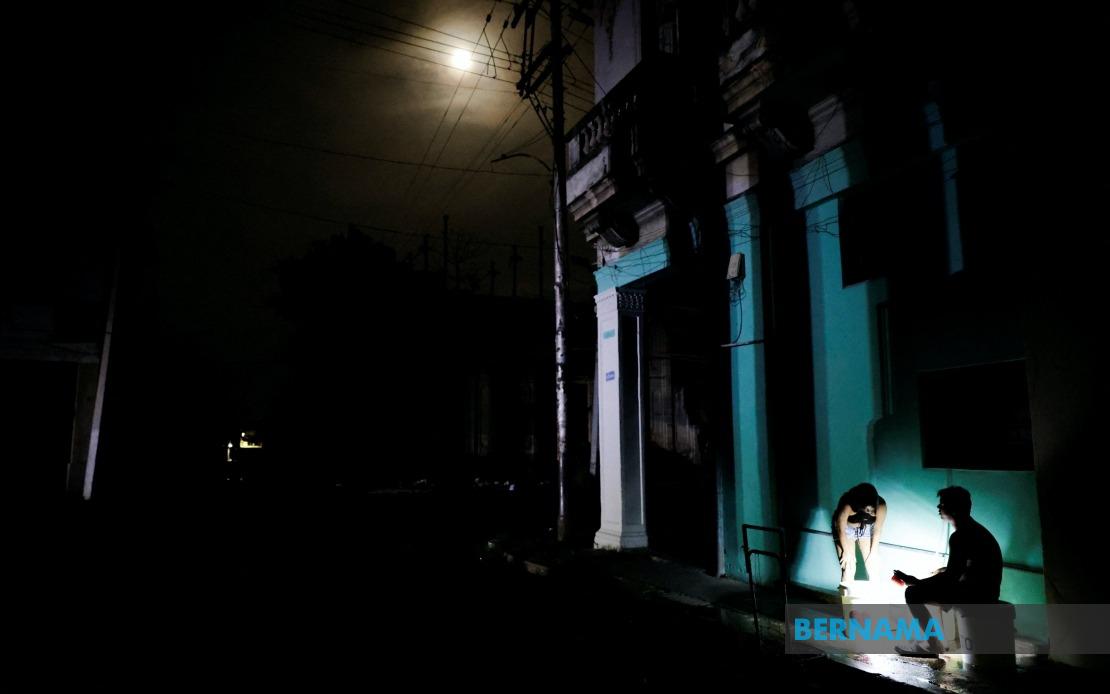
Cuba has been plunged into darkness once again following a comprehensive failure of the nation's electrical grid, according to reports carried by Anadolu Ajansi and CNN on Sunday. The state-owned electricity utility acknowledged the collapse of the national energy system, which resulted in power being cut off across the entire island nation. Although the operator did not elaborate on the specific circumstances leading to the grid's failure, the incident represents a recurring nightmare for the approximately 10 million residents struggling through an extended period of energy scarcity.
This latest blackout marks the first major outage recorded during August, though it comes barely weeks after the Caribbean island experienced three separate nationwide power failures throughout July. The frequency and scope of these incidents underscore the precarious state of Cuba's aging electrical infrastructure, which has deteriorated under years of underinvestment and economic constraints. For many Cubans, the pattern of cascading blackouts has become an unavoidable feature of contemporary life, fundamentally reshaping how families organize their daily routines and plan activities around the unpredictable availability of electricity.
The consequences of these rolling blackouts extend far beyond mere inconvenience for ordinary Cubans. Residents have adapted by using electricity opportunistically, whenever the grid happens to be operational, to accomplish essential tasks including cooking meals, washing clothes and maintaining personal hygiene, accessing internet connectivity, and running air conditioning or fans during sweltering summer months. This reactive approach to power consumption reflects the underlying anxiety that accompanies uncertainty about how long each period of electrical service will last before another blackout strikes. The psychological and logistical toll of such unpredictability compounds the hardship faced by a population already contending with broader economic difficulties.
Recognizing the unsustainability of the current energy situation, Cuba's government has taken steps aimed at alleviating the chronic shortages and stimulating broader economic activity. Prime Minister Manuel Marrero Cruz announced in July that the country had approved its inaugural foreign investment arrangement designed to facilitate the importation and commercial distribution of fuel. This represents a notable policy shift, opening Cuba's traditionally closed economy to foreign capital participation in the energy sector—a move that would have been unthinkable under previous administrations.
Beyond the foreign fuel venture, Havana has expanded the scope of private sector participation in energy-related activities. The government has granted authorization to nearly 200 domestic businesses to operate in wholesale fuel distribution, a substantial decentralization of what had previously been a state monopoly. These changes reflect a pragmatic acknowledgment that existing government structures lack the capacity and resources to resolve the energy crisis unilaterally, necessitating market-based solutions and private enterprise involvement.
The government has also extended reform initiatives beyond the energy sector, recognizing that economic revitalization requires broad-based liberalization. Lawmakers approved measures permitting private investment in Cuba's tourism industry, traditionally another state-controlled domain. Tourism represents a crucial source of hard currency for Cuba, particularly given international economic sanctions and the country's limited ability to generate export revenues through conventional manufacturing or agriculture. By opening this sector to private capital, authorities aim to expand the industry's capacity and generate employment while increasing government revenues through taxation.
Nevertheless, Prime Minister Marrero has been candid about the limitations of these reform efforts, cautioning that improvements will materialize only gradually over an extended timeframe. In public statements during July, he emphasized that the most critical phase of economic transformation is only now commencing, and simultaneously acknowledged that this stage represents perhaps the most formidable challenge. His measured rhetoric suggests that government officials recognize the gap between policy announcements and tangible results that ordinary Cubans can experience in their daily lives.
The government has explicitly acknowledged that the reforms now underway are inherently incremental in nature and cannot be expected to produce dramatic or immediate changes to the economic landscape or energy availability. This honest assessment contrasts with the revolutionary rhetoric that has historically characterized official communications, suggesting a recognition that the scale of Cuba's challenges demands patience and sustained effort. The energy crisis that has spawned four major blackouts within a single month illustrates why such candor is necessary—reversing decades of infrastructure deterioration and economic decline requires more than policy adjustments; it demands fundamental restructuring of economic systems and substantial capital investment.
For Malaysian and Southeast Asian observers, Cuba's experience offers instructive lessons about the consequences of allowing critical infrastructure to deteriorate and the dangers of centralized economic planning that fails to adapt to changing circumstances. The island nation's struggle to maintain reliable electricity supplies, despite possessing oil reserves and geographic advantages, demonstrates how mismanagement and underinvestment can transform resource abundance into scarcity. Regional governments, particularly those managing aging power grids or relying heavily on state-controlled utilities, should note how Cuba's willingness to embrace foreign investment and private sector participation—actions once considered ideologically anathema—reflects the practical imperatives that govern infrastructure maintenance and economic survival.

