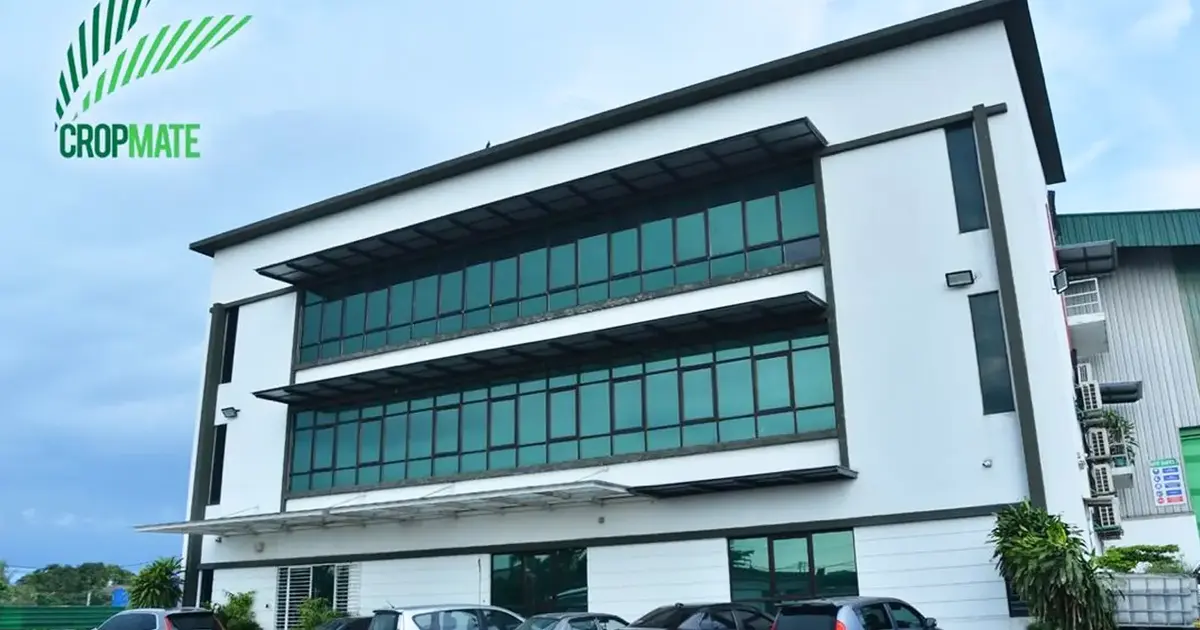
Cropmate, a fertiliser manufacturer operating in Malaysia, has announced the release of its previously frozen bank accounts, marking a significant development in efforts to restore normal business operations following what appears to have been a regulatory intervention or investigation.
The company's statement on the unfreezing of accounts signals a potential turning point after a period of financial constraint that would have severely hampered day-to-day operations, supplier payments, and employee wage disbursements. For a firm in the agricultural inputs sector—which is capital-intensive and relies on steady cash flow to maintain supply chains—such account freezes can be catastrophic, affecting not only the business itself but also farmers, distributors, and workers dependent on the company's operations.
Cropmate has simultaneously made clear that none of its workforce, encompassing regular employees and members of the management and directorial team, have been arrested or face criminal charges. This assertion is significant because it suggests any regulatory action was likely focused on specific matters—possibly administrative, compliance-related, or financial in nature—rather than allegations involving personal culpability of individuals within the organisation. The distinction is material for the company's credibility and for stakeholders assessing whether leadership continuity remains intact.
The fertiliser sector in Malaysia holds considerable importance to the broader agricultural economy. Fertiliser companies serve as critical links in the supply chain connecting chemical manufacturers and importers to farms across the country, supporting everything from paddy production in traditional rice-growing states to palm plantations and vegetable farming operations. Any disruption to this supply chain ripples outward, potentially affecting food security considerations and the livelihoods of rural communities.
The timing of both the account freeze and its subsequent release raises questions about the underlying cause, though Cropmate has not elaborated on the precise circumstances that prompted the original action. Regulatory bodies might freeze corporate accounts for various reasons: to secure assets pending investigation into alleged misconduct, to ensure compliance with financial obligations, or in connection with tax, environmental, or labour-related disputes. The swift release suggests either that authorities were satisfied with the company's cooperation or explanations, or that the matter has been resolved to the satisfaction of relevant regulators.
For investors and business partners, the resumption of normal banking operations is essential for rebuilding confidence. Companies that have experienced account freezes often face reputational damage that extends beyond the immediate financial impact. Suppliers may demand cash-on-delivery terms rather than credit arrangements, banks may be reluctant to extend credit facilities, and customers may seek alternative sources to mitigate perceived risk. Cropmate will likely need to actively reconstruct relationships and demonstrate sustained operational stability.
The statement regarding employees and directors carries implications for corporate governance perceptions as well. If management has remained unimpeded throughout the regulatory action, it suggests the company's operational continuity and decision-making apparatus have not been compromised by legal jeopardy. This could facilitate smoother resumption of normal strategic planning and customer relations, though stakeholders will still be monitoring closely for any further regulatory developments.
Within the broader Southeast Asian context, Malaysia's fertiliser industry is part of a larger agricultural landscape where supply chain reliability remains a concern. Regional agricultural productivity depends partly on timely access to quality inputs at reasonable prices. Any constraints on domestic suppliers like Cropmate create potential advantages for competitors but also risks of supply gaps, particularly if farmers cannot quickly shift sourcing to alternatives during peak demand seasons.
The company's proactive communication about the account release and the status of its personnel reflects sound corporate practice during periods of regulatory scrutiny. Transparency helps manage stakeholder expectations and demonstrates the organisation's commitment to operating within established legal frameworks. Going forward, Cropmate's ability to restore full operational capacity—including clearing any payment backlogs to suppliers and fulfilling pending orders—will be closely watched by industry observers and agricultural stakeholders who depend on reliable fertiliser supply.
As Cropmate moves to normalise operations, the company faces both opportunity and challenge. The opportunity lies in demonstrating renewed operational competence and regulatory compliance to win back market confidence. The challenge involves potentially rebuilding inventory, clearing outstanding supplier payments, and restoring sales momentum at a time when customers may have diversified their sourcing during the constraint period. How effectively the firm navigates these immediate post-freeze months could determine whether this episode becomes a brief operational interruption or a longer-term setback to market position within Malaysia's agricultural supply sector.

