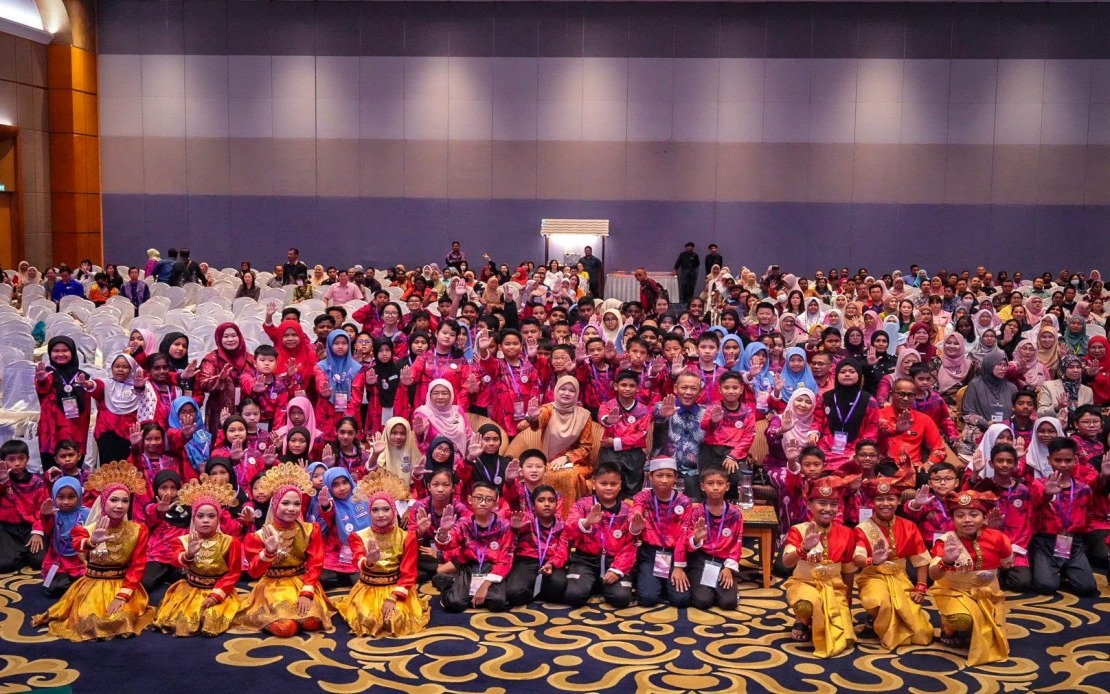
Education Minister Fadhlina Sidek has highlighted the mounting complexity surrounding student safety in Malaysian schools, emphasising that resolving such challenges demands more than isolated initiatives but rather a cohesive strategic framework involving every stakeholder in the education system. Speaking at the Mutiara Diri Programme in Kuala Lumpur on July 16, Fadhlina stressed that the multifaceted nature of contemporary school safety issues necessitates a comprehensive response that extends beyond traditional administrative measures to encompass cultural and systemic transformation across all educational institutions.
The minister articulated a central objective for her ministry: rebuilding and maintaining public confidence that Malaysian students benefit from robust protective systems while attending school. This reassurance addresses widespread parental concerns about both the physical security of school premises and the psychological wellbeing of children during their academic years. The emphasis on confidence-building reflects recognition that perception of safety significantly influences how families engage with educational institutions and ultimately affects student attendance and academic performance.
Fadhlina underscored an uncompromising stance regarding any factors that jeopardise children's safety, whether physical threats or emotional harm. This hardline position signals the ministry's determination to address longstanding concerns about bullying, violence, and inadequate protection mechanisms that have periodically captured public attention. By explicitly ruling out compromise on safety matters, the minister seeks to establish clear boundaries and expectations for institutional conduct across the education system.
Existing safety guidelines and child protection protocols must function as binding standards rather than aspirational frameworks, according to Fadhlina's directive. She called for strict adherence to these policies across all educational facilities operating under the Ministry of Education's purview. This emphasis on compliance suggests that previous implementation gaps may have compromised protective measures, necessitating renewed attention to enforcement and accountability mechanisms at institutional and administrative levels.
The mental health dimension of school safety received particular attention from the minister, reflecting evolving understanding that student wellbeing extends beyond physical security to encompass psychological and emotional health. Rising incidents of anxiety, depression, and self-harm among Malaysian students have prompted greater recognition that schools require comprehensive support systems addressing both preventive mental health education and responsive crisis intervention. This integrated approach acknowledges that emotionally distressed students face heightened vulnerability regardless of physical security measures.
Fadhlina's appeal to parents and educators attending the Mutiara Diri Programme emphasised collaborative responsibility in constructing protective school environments. Rather than locating accountability solely with government institutions, she invoked a shared obligation across families, teaching professionals, and educational administrators. This distributed accountability model recognises that student safety outcomes depend on consistent reinforcement of protective norms across multiple social contexts that children inhabit.
The minister articulated fundamental principles guiding her vision for Malaysian schools: environments characterised by safety, dignity, and prosperity where children can develop without fear or harm. This aspirational framing establishes ethical standards that transcend bureaucratic compliance, positioning school safety as intrinsically connected to educational quality and national development. Schools serving as spaces where students experience dignity and opportunity create conditions for fuller cognitive and social development.
The Mutiara Diri Programme's significance extended beyond conventional awareness-raising activities, according to Fadhlina's characterisation. Rather, she positioned the initiative as a structured advocacy approach specifically designed to confront persistent student safety challenges. The presence of Negeri Sembilan Menteri Besar Datuk Seri Aminuddin Harun underscored cross-sectoral government engagement, suggesting that addressing school safety requires coordination beyond education ministry structures to encompass state-level leadership and resources.
This multi-level governmental involvement reflects the reality that school safety challenges intersect with broader issues of youth development, law enforcement, public health, and social welfare. Effective solutions require integration across these policy domains and institutional structures. The participation of state leadership signals commitment to comprehensive responses rather than narrow educational sector interventions alone.
For Malaysian readers and policymakers, Fadhlina's statements crystallise emerging recognition that school safety constitutes a foundational requirement for educational quality and effective national development. As Southeast Asian societies grapple with increasing violence, mental health crises, and social fragmentation affecting young people, Malaysia's strategic repositioning of school safety reflects regional trends. Countries throughout the region increasingly recognise that student protection and psychological wellbeing directly influence educational outcomes and long-term economic productivity.
The minister's emphasis on strategic approaches rather than reactive responses suggests institutional learning from previous incidents that exposed gaps in safety infrastructure and response protocols. By calling for systemic compliance with protective guidelines, mental health support integration, and stakeholder coordination, Fadhlina indicates movement toward preventive, comprehensive safety frameworks rather than incident-driven policy adjustments. This proactive orientation offers potential for meaningful improvement in student outcomes.
The effectiveness of the proposed approach ultimately depends on implementation fidelity across diverse school contexts with varying resource constraints and institutional capacities. Rural schools, urban facilities, and institutions serving disadvantaged communities may face distinct challenges in meeting uniform safety standards. Ensuring equitable protection across Malaysia's heterogeneous educational landscape requires not only policy directives but also targeted resource allocation and capacity-building support for under-resourced institutions.

