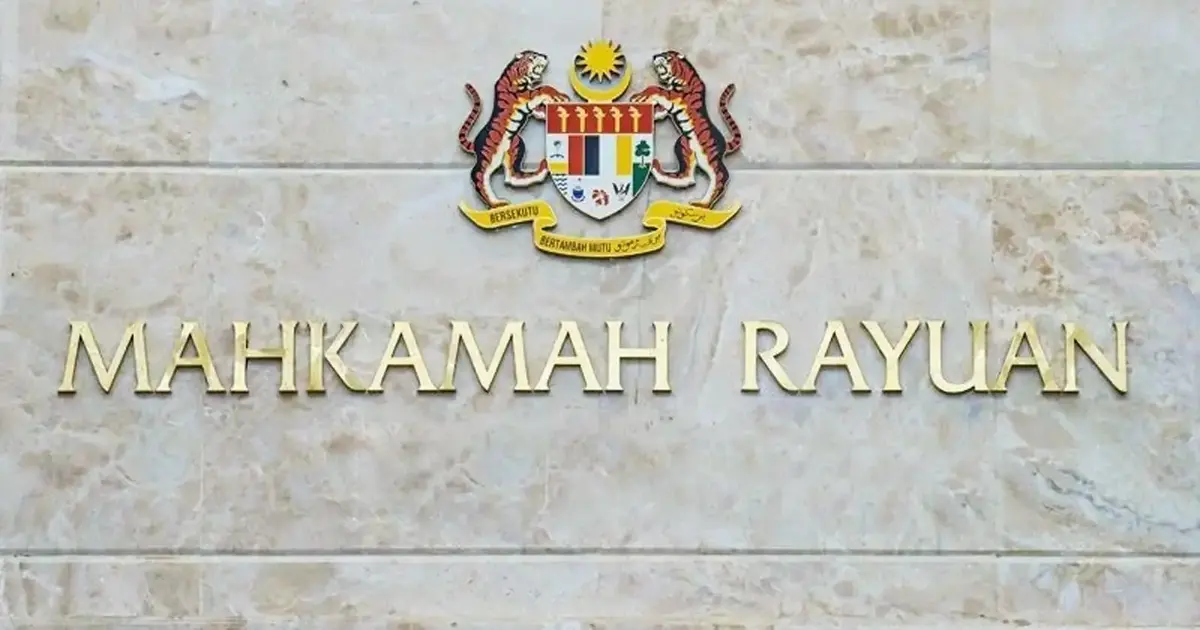
A legal bid to restore the education ministry's position as a defendant in a bullying case has been unsuccessful, with the court declining to overturn an earlier decision that removed the governmental body from the proceedings. The former student, who initiated the lawsuit following an alleged bullying incident that occurred in 2022, had sought to reinstate the ministry alongside other defendants including the school institution, individual educators, and the person accused of perpetrating the bullying.
The court's rejection represents a significant development in the case and raises important questions about institutional accountability in Malaysian schools. The decision narrows the scope of the legal action, leaving the former student's claim focused primarily on the school, its staff, and the alleged perpetrator rather than extending culpability to the ministry level. This outcome reflects judicial interpretation of liability frameworks in educational settings and defines what level of governmental responsibility can be attached to incidents occurring within individual school premises.
Bullying in Malaysian schools remains a persistent concern affecting student welfare and academic performance. Incidents of this nature often involve complex dynamics between multiple parties, including school management, teaching staff, student peers, and parents. The 2022 incident that prompted this lawsuit illustrates how such matters can escalate into protracted legal disputes when grievances are not adequately addressed through established institutional channels. Understanding the circumstances that led to court action sheds light on potential gaps in school-level complaint and resolution mechanisms.
The former student's decision to pursue legal recourse against multiple parties reflects a common approach taken by families seeking comprehensive accountability. By naming the ministry alongside the school and individuals, the legal strategy attempted to establish a chain of responsibility reaching beyond the immediate institutional level. Educational ministries typically hold supervisory authority over schools and bear responsibility for implementing policies, curriculum standards, and welfare protocols. The court's rejection of the ministry's reinstatement suggests that judges determined the evidence did not establish sufficient direct liability attributable to the ministerial level.
This development carries implications for future bullying cases in Malaysia's education system. Schools and staff may interpret the ruling as providing a degree of protective separation from higher-level governmental liability, potentially making it more challenging for students and families to pursue systemic accountability. Conversely, the decision may encourage parties to focus litigation efforts on localized defendants rather than attempting to extend claims to ministry-wide policies or oversight failures. Such narrowed legal focus could either encourage settlement discussions at the institutional level or prolong disputes by limiting the leverage available to claimants.
The education ministry's removal from the defendant list also reflects broader questions about institutional immunity and governmental accountability in Malaysia's legal system. Public sector organisations often benefit from qualified immunity provisions that require demonstrating gross negligence or deliberate wrongdoing to establish liability. Courts must balance protecting governmental operations from excessive litigation against ensuring adequate redress for victims of institutional failings. The judgment suggests the court found insufficient grounds to establish that the ministry bore direct responsibility for the specific bullying incident.
For Malaysian education stakeholders, including parents, teachers, and administrators, the ruling underscores the importance of comprehensive school-level protocols for addressing bullying incidents. When cases are not resolved satisfactorily through internal mechanisms, aggrieved parties may pursue expensive and protracted legal action. Schools therefore have significant incentive to implement robust reporting systems, conduct timely investigations, and apply appropriate disciplinary measures when bullying is substantiated. The threat of individual and institutional liability may encourage more proactive approaches to student welfare management.
The case highlights the complexities inherent in educational liability disputes. Distinguishing between the responsibilities of individual teachers, school management, and governmental oversight agencies requires careful legal analysis. A teacher who fails to intervene in bullying may face personal liability, while a school administration that inadequately responds to complaints might be held institutionally responsible. The ministry's role becomes more attenuated, typically requiring demonstration that specific policies or systemic failures at the ministerial level directly contributed to harmful outcomes.
Moving forward, the former student retains the opportunity to pursue claims against the remaining defendants. School authorities and teachers named in the suit now face the consolidated legal action without the potentially complicating involvement of the ministry. This may actually streamline the litigation process and allow the court to focus on facts more directly within the school's control and the accused individual's alleged conduct. The claimant's legal representatives will need to build their case on grounds of direct negligence, breach of duty, or failure to provide adequate care and protection.
The broader context of educational accountability in Southeast Asia suggests that courts in the region are increasingly scrutinising institutional responses to bullying and student welfare issues. Other jurisdictions have expanded liability frameworks to encompass systemic failures, while Malaysia's approach appears more cautious. This could reflect different philosophical approaches to balancing protective oversight with governmental operational autonomy. Malaysian stakeholders may monitor comparable cases in regional courts to understand evolving standards of educational institutional responsibility.
For students and families navigating bullying incidents, the case demonstrates both the possibilities and limitations of pursuing legal remedies. While courts remain available as forums for addressing serious grievances, the remedies available may not extend as broadly as claimants hope. This reality emphasises the continued importance of strengthening preventative measures, early intervention protocols, and accessible complaint mechanisms within schools themselves. When such internal measures function effectively, they can prevent escalation to costly litigation while providing faster resolution for affected students.

