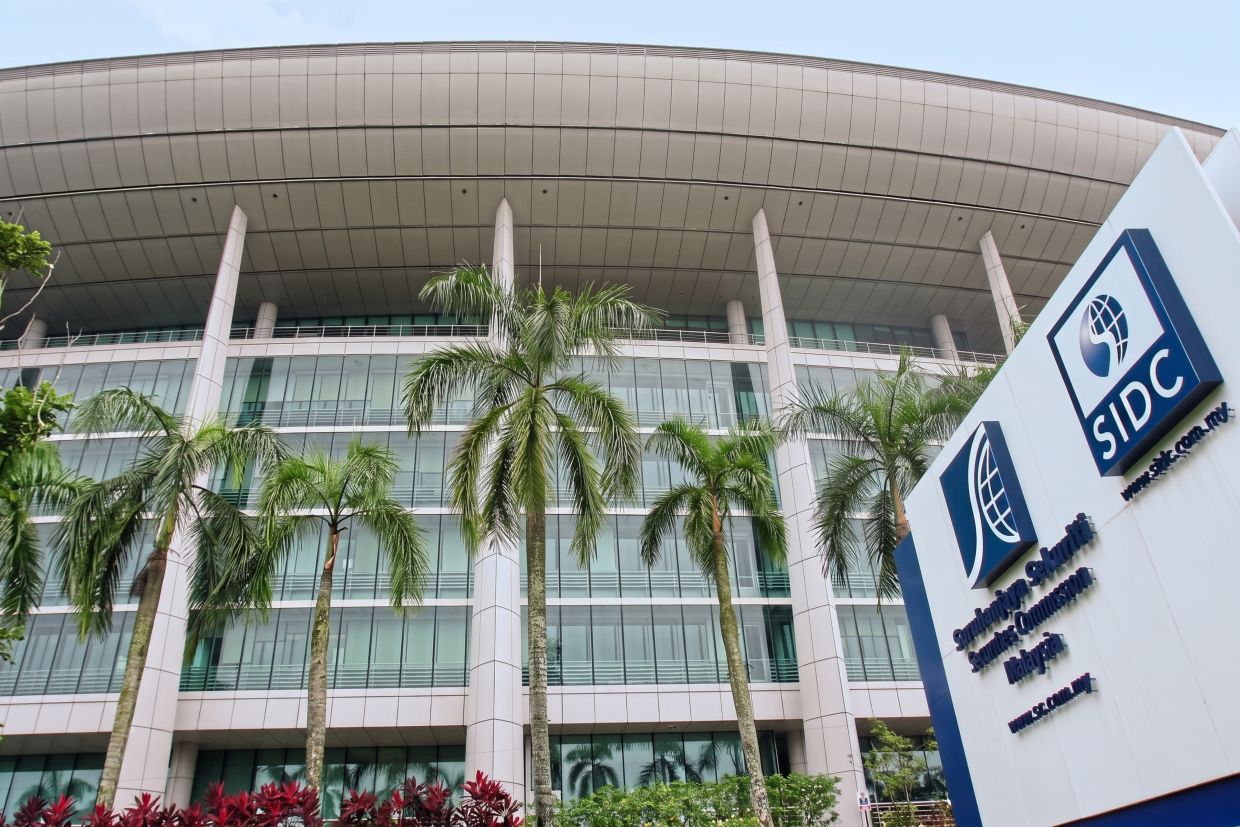
Malaysia's Court of Appeal has delivered a decisive blow to insider trading by unanimously confirming the High Court's 2022 judgment against former WCT Bhd deputy managing director Goh Chin Liong and Ara Holdings Sdn Bhd director Leong Ah Chai. The appellate court dismissed both defendants' appeals without finding grounds for intervention, reinforcing the lower court's finding of liability and upholding a total financial award of RM5.83 million in favour of the Securities Commission Malaysia (SC), alongside additional penalties and costs.
The judicial outcome represents a significant enforcement victory for Malaysia's securities regulator in its long-running battle against market misconduct. The SC had initiated civil proceedings against the two defendants in 2015, alleging breaches under sections 188(2) and 188(3) of the Capital Markets and Services Act 2007. Over the intervening years, the case wound through the court system, ultimately demonstrating the regulatory authority's determination to pursue high-level market participants who exploit confidential information for personal gain.
At the heart of the case lay a classic insider trading scenario involving material non-public information regarding a significant commercial transaction. Goh, in his position as deputy managing director of WCT Bhd, became privy to confidential details concerning the cancellation of a contract for the proposed construction of a racecourse facility in Dubai, United Arab Emirates. This contract represented a substantial project that had been initially awarded to a joint-venture entity established by WCT and Arabtec Construction LLC. Rather than allowing this sensitive information to remain confidential, Goh communicated the details to Leong, who held the position of director at Ara Holdings.
The subsequent trading activity that triggered regulatory intervention occurred in early January 2009, when Leong orchestrated the disposal of approximately 1.64 million WCT shares held in Ara Holdings' trading account between January 2 and 5. The timing of these transactions, occurring just as the contract cancellation information was being circulated, demonstrated a suspicious correlation between the confidential disclosure and the trading decisions. This pattern of conduct formed the evidentiary foundation upon which the High Court judge determined that both defendants had engaged in unlawful insider trading.
The Court of Appeal's judgment carries substantial financial consequences for both defendants. Each individual has been ordered to pay RM2.5 million as disgorgement of profits or losses avoided through their illicit trading activities. Additionally, each defendant faces a civil penalty of RM300,000, reflecting the court's assessment of the severity of the breach. The SC will also receive RM75,000 in costs from each defendant, bringing the total financial obligation to RM5.83 million when combined with the disgorgement and penalty amounts.
Beyond the immediate financial dimensions, the Court of Appeal dismissed both appeals with costs of RM100,000 imposed on each defendant. This sanction serves as a deterrent against future appellate challenges to insider trading findings and underscores the appellate court's confidence in the original judgment. The fact that the Court of Appeal found no appealable error sufficient to warrant intervention demonstrates the thorough and legally sound nature of the High Court's original analysis.
The regulatory enforcement effort received an additional boost when, on May 26, 2026, the SC succeeded in a separate appeal to the High Court seeking reinstatement of garnishee orders against both defendants. These garnishee orders are critical enforcement mechanisms that allow the SC to recover the RM5.83 million judgment sum directly from the defendants' assets or financial holdings. Following the Court of Appeal's affirmation of the liability judgment, the SC announced its intention to proceed expeditiously with executing these garnishee orders to collect the full amount owed.
For Malaysian investors and market participants, this case underscores the regulatory environment surrounding equity trading and the consequences of breaching fiduciary duties inherent in corporate management positions. The case demonstrates that senior corporate executives cannot freely exploit material non-public information obtained through their roles, regardless of their standing or the size of the financial gains involved. The principle established here applies across the corporate landscape whenever managers or directors possess confidential information that could influence share price movements.
The SC has characterized insider trading as a fundamental threat to capital market integrity and investor confidence. The regulator's statement emphasizes that such conduct "undermines the integrity of the capital market and seriously erodes investor confidence." From the perspective of market participants and potential investors, this prosecution sends a reassuring signal that regulatory authorities take misconduct seriously and will pursue enforcement actions regardless of how long such cases take to resolve through the courts.
The broader implications for Southeast Asia's financial markets merit consideration, as Malaysia's capital markets have historically emphasized investor protection and regulatory transparency. The WCT case represents one of the more significant insider trading prosecutions in the Malaysian context, demonstrating that the regulatory framework has teeth and that violations will be pursued to their conclusion. This enforcement activity contributes to maintaining Malaysia's standing as a regional financial center where market rules are enforced consistently.
Looking forward, the SC has committed to continuing its enforcement actions designed to uphold market integrity and sustain public confidence in Malaysia's capital market ecosystem. The successful appellate outcome in the WCT case provides the regulatory body with momentum and legal precedent for pursuing other potential insider trading violations. The case also illustrates the importance of confidentiality protocols within publicly listed companies, as breaches can expose senior executives to substantial personal liability.
The practical implementation of judgment recovery will now proceed through the garnishee order mechanism. As the SC moves to collect the RM5.83 million from the defendants, the case will transition from the appellate stage into the enforcement phase. This collection process may take additional time, but the availability of garnishee orders provides the SC with powerful tools to locate and attach defendant assets. The successful conclusion of this long-running case demonstrates both the regulatory commitment to policing capital markets and the judicial system's willingness to support such enforcement efforts through multiple levels of court review.

