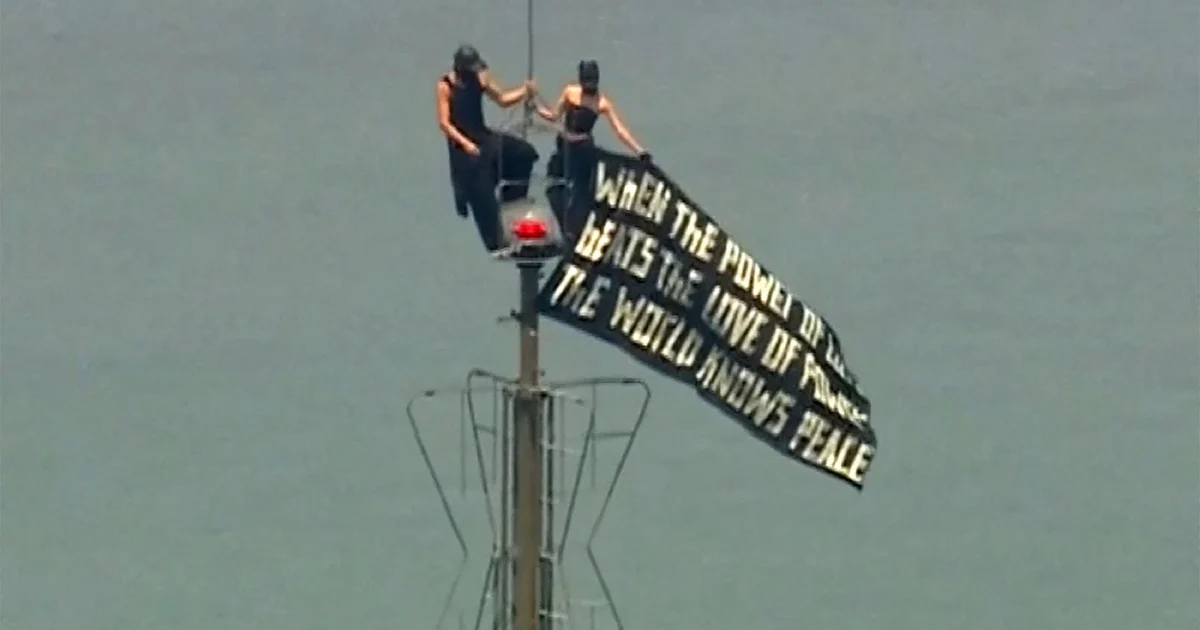
An unconventional marriage proposal attempt ended with arrests on Wednesday when two individuals scaled one of the most recognisable skyscrapers in the United States. The pair managed to climb an antenna structure positioned at the summit of the Empire State Building in Manhattan, New York, apparently for the purpose of staging an engagement moment. Their daring ascent ultimately attracted attention from authorities, culminating in their apprehension as they descended from the iconic landmark.
The Empire State Building, standing at 102 storeys and completed in 1931, remains one of America's most visited tourist attractions and a symbol of New York's architectural heritage. Its observation decks welcome millions of visitors annually, yet unauthorised access to certain areas of the structure is strictly prohibited for safety reasons. The antenna platforms at the very top of the building are among the most restricted zones, accessible only to authorised maintenance personnel and structural engineers.
The specifics surrounding how the two individuals managed to breach security protocols and reach the antenna remain unclear. The Empire State Building's management has implemented multiple layers of security measures over the decades to prevent unauthorised access to sensitive areas. Their successful ascent, even temporarily, raises questions about the effectiveness of current prevention systems and the building's vulnerability to determined climbers.
While the motivation behind their climb—an engagement celebration—may strike many as romantic, such unauthorised activities on tall structures pose significant risks. Climbers face exposure to extreme heights, unpredictable weather conditions, and structural hazards. The individuals involved could have suffered serious injuries or fatalities had circumstances shifted unfavourably. Emergency responders and building security personnel must also be deployed when such incidents occur, diverting resources from other pressing matters.
The incident reflects a broader global phenomenon of individuals undertaking dangerous stunts for social media visibility and significant life moments. Urban climbers and BASE jumpers have increasingly targeted famous landmarks worldwide, viewing them as backdrops for memorable personal achievements. The Empire State Building itself has been the subject of climbing attempts in the past, with notable incidents documented throughout its nearly century-long history.
New York City maintains strict regulations governing unauthorised climbing and trespassing on private and public structures. Violations can result in criminal charges, including disorderly conduct, trespassing, and reckless endangerment, depending on the circumstances and potential risks created. The consequences extend beyond legal penalties, as individuals convicted of such offences may face imprisonment, fines, and lasting criminal records that impact future employment prospects.
For Malaysian and Southeast Asian readers, this incident underscores the universal tension between personal expression and public safety. Many iconic structures across the region—from Petronas Twin Towers in Kuala Lumpur to Marina Bay Sands in Singapore—face similar security challenges. The incident demonstrates why authorities worldwide maintain strict access policies on tall buildings, even as these restrictions can frustrate individuals seeking unique experiences or moments.
The engagement narrative adds complexity to the case. Judges and law enforcement officials sometimes exercise discretion when circumstances involve special occasions or first-time offenders. However, the severity of accessing a restricted antenna platform at a height exceeding 1,400 feet makes lenient treatment less likely. Prosecutors may view the action as particularly reckless given the extreme altitude and potential consequences.
Beyond the immediate legal ramifications, this occurrence will likely prompt the Empire State Building's management to reassess security protocols. Building officials may implement additional surveillance systems, restrict access to previously accessible areas, or increase perimeter monitoring. Such enhancements typically follow high-profile security breaches, as proprietors seek to prevent recurrence and reassure both staff and the millions of annual visitors.
The incident also reflects differing attitudes toward risk-taking and personal agency. Some view such climbs as expressions of individual freedom and romantic devotion, while others consider them reckless endangerment of self and others. This philosophical divide influences how communities, legal systems, and media outlets respond to such events. In most Western jurisdictions, including the United States, authorities prioritise safety and legal compliance over honouring romantic intentions through illegal activities.
For tourists and locals planning visits to the Empire State Building, Wednesday's incident should not deter standard sightseeing. The building's established observation decks remain secure and provide spectacular views of Manhattan and its surroundings. These official vantage points offer safe alternatives for visitors seeking memorable experiences at one of the world's most celebrated structures.
The individuals' arrests represent the expected consequence of unauthorised high-altitude climbing in densely populated urban environments. As this case proceeds through New York's legal system, it will likely generate discussion about balancing individual expression with community safety obligations—a conversation extending far beyond this single incident to encompass broader questions about how societies manage risk in shared public spaces.

