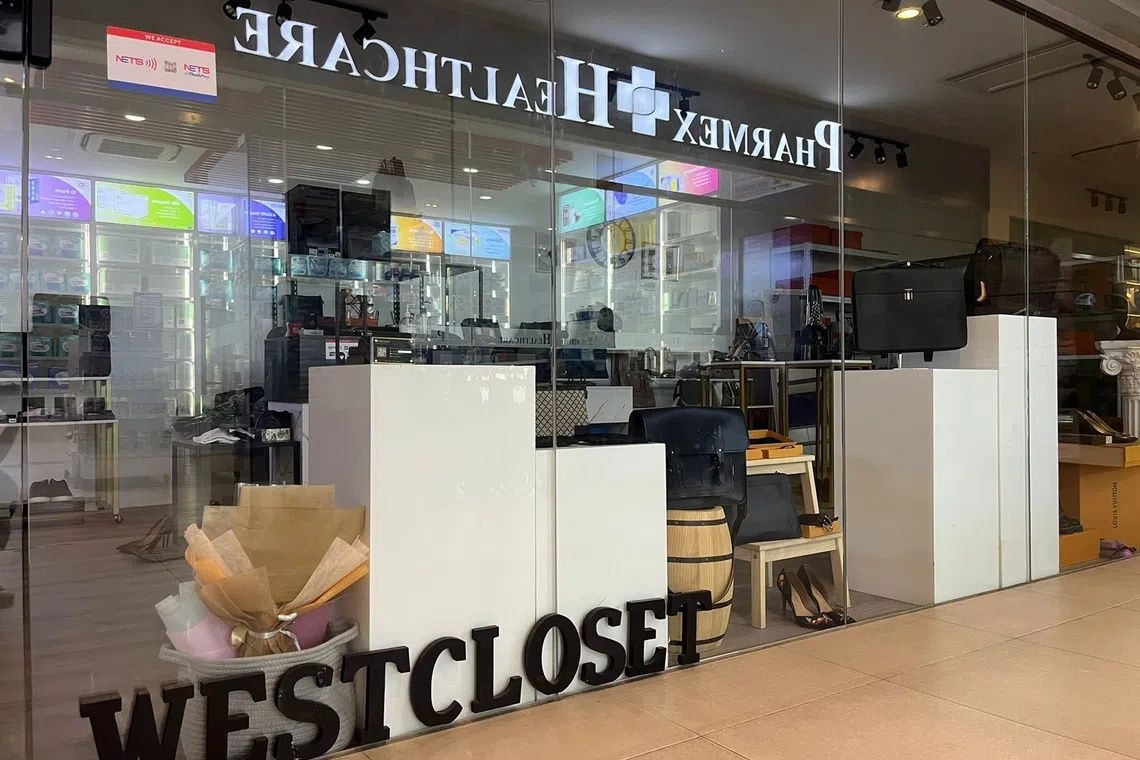
A 36-year-old Indonesian national has been sentenced to eight months imprisonment for systematically misappropriating funds belonging to customers at her Shenton Way luxury goods consignment store. Ringga Dwi Rizky Irianto, sole proprietor of West Closet located within OUE Downtown Gallery shopping mall, exploited customer trust by pocketing proceeds from the sale of high-value handbags that should have been returned to their original owners. The district court on Thursday imposed the sentence alongside a compensation order requiring her to remit S$91,950 to affected customers, with an additional 24 days of imprisonment serving as a penalty mechanism should she default on payment obligations.
The criminal scheme operated through West Closet's consignment model, which the store marketed aggressively through Carousell and Instagram to target affluent individuals seeking to liquidate their luxury accessories. Customers were required to lodge their bags at the premises under a 60-day holding period or face a S$60 penalty, with the store extracting commissions ranging from S$200 to S$900 depending on the transaction value. This commission-based structure created a veneer of legitimacy that masked Ringga's systematic diversion of customer funds. Court proceedings revealed that the accused had already made S$41,000 in restitution, suggesting either partial recovery efforts or negotiated settlement components predating sentencing.
Ringga formally admitted to three counts of criminal breach of trust across separate victims involving S$108,000 collectively, with two additional charges factoring into the sentencing determination. The prosecution, represented by Deputy Public Prosecutor Darren Sim, documented a consistent pattern of misconduct spanning multiple transactions. In her first documented offence, a victim consigned two Hermès bags and one Chanel piece to West Closet in early July 2022 under a guarantee that the consignor would receive S$51,000 upon successful sale. West Closet issued formal notification assuring the customer that payment would transfer to their designated bank account within seven days of the transaction completion.
Despite honouring the sale and generating the promised S$51,000 in proceeds, Ringga deliberately retained the funds and redirected them toward fulfilling an entirely separate customer's order. This diversion represented more than simple mismanagement; it demonstrated calculated intention to appropriate customer assets for operational purposes. The victim, deprived of their anticipated return, joined four others in pursuing legal recourse against the business operator. A second victim who had consigned a single Hermès bag lost S$33,500 through identical mechanisms, while a third victim suffered S$23,500 in losses from another Hermès sale conducted through the same fraudulent process.
The investigation timeline stretched considerably, with Ringga's arrest occurring in September 2022 but formal charging delayed until 2024, reflecting either prosecutorial complexity or resource constraints within Singapore's criminal justice system. Bail arrangements set at S$15,000 allow her conditional freedom pending the October commencement of her custodial sentence. Under Singapore's Penal Code provisions governing criminal breach of trust, offenders face potential imprisonment reaching seven years alongside discretionary fining authority, positioning this case within the lower-to-moderate severity range of prosecutorial outcomes.
The West Closet incident highlights vulnerabilities within the luxury consignment sector, an increasingly popular avenue for affluent individuals seeking to monetise unworn or redundant designer pieces. The business model inherently concentrates significant cash flows within single proprietor control, creating opportunities for misappropriation particularly in jurisdictions where regulatory oversight of small retailers remains limited. The reliance upon digital marketing platforms like Instagram and Carousell to cultivate customer bases enabled rapid customer acquisition without corresponding due diligence mechanisms that institutional financial services typically employ.
For Malaysian readers, this case carries particular relevance given similar consignment operations exist throughout Kuala Lumpur, Penang, and other urban centres where luxury goods circulation remains brisk. The incident underscores the importance of verifying business credentials, requesting references from previous clients, and demanding formal written guarantees with explicit timelines before entrusting valuable items to independent operators. Many Malaysian consumers unfamiliar with cross-border regulatory protections may assume that consignment arrangements in Singapore or other developed jurisdictions offer greater safety assurances than domestic operations, yet this case demonstrates that sophisticated fraud can occur regardless of jurisdiction.
The prosecution's successful case construction relied upon documentary evidence including store communications, transaction records, and bank transfer trails demonstrating the deliberate nature of fund diversion. Ringga's guilty plea, while facilitating expedited judicial resolution, provided tacit acknowledgement of culpability across multiple counts. The compensation order, though unlikely to achieve complete restitution given the accused's demonstrated limited financial capacity, establishes formal liability recognition within court records accessible to victims pursuing civil recovery actions.
The case also illuminates broader compliance challenges facing small retail operators in high-value goods markets. While West Closet's marketing presentation suggested professional operations, the absence of institutional safeguards, segregated customer trust accounts, or independent auditing mechanisms created conditions enabling individual misconduct. Malaysian entrepreneurs operating similar business models would benefit from implementing these protective structures voluntarily, thereby reducing fraud risks, enhancing customer confidence, and establishing competitive differentiation within increasingly competitive luxury goods redistribution markets.
Looking forward, this prosecution may prompt regulatory authorities across Southeast Asia to examine oversight frameworks governing consignment retailers handling high-value assets. Singapore's Accounting and Corporate Regulatory Authority and analogous bodies in Malaysia and other regional jurisdictions may consider whether current licensing or bonding requirements adequately protect consumers engaging with independent operators. The psychological dimension of this fraud—targeting affluent individuals presumed sophisticated regarding financial transactions—suggests that consumer education must address vulnerabilities affecting all demographic groups regardless of wealth or perceived financial literacy.
The eight-month sentence, while substantial, reflects judicial calibration balancing punishment against restitution potential, acknowledging both the cumulative harm inflicted upon multiple victims and the accused's demonstrated steps toward partial compensation. For affected customers, the conviction provides official vindication and enhanced leverage for pursuing remaining outstanding amounts. The case trajectory from complaint through conviction spanning approximately two years demonstrates the investigative and prosecutorial resources required to address white-collar crimes involving individual proprietors, offering cautionary context for other victims considering whether to pursue complaints through formal channels.

