The Communications Ministry has rolled out comprehensive media infrastructure across Negeri Sembilan to support extensive coverage of the state's 16th general election. Through collaboration between the Information Department and the Malaysian Communications and Multimedia Commission (MCMC), three primary media centres will operate from July 18 through August 1, providing journalists with essential facilities and connectivity during the campaign period.
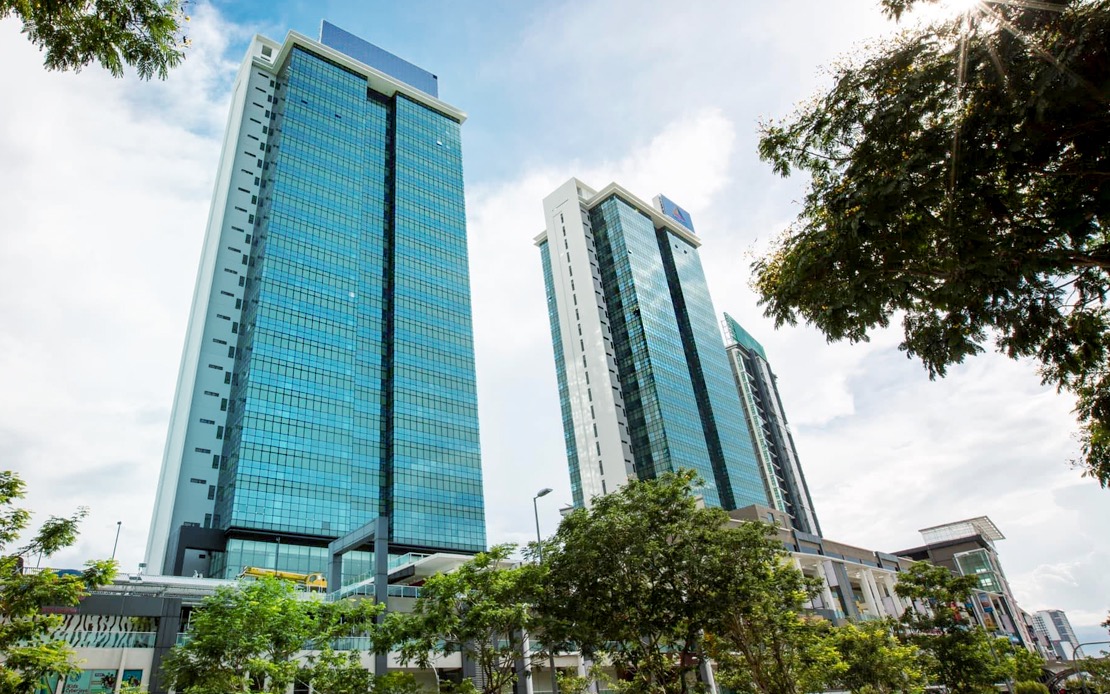
The three main facilities are strategically positioned to serve different regions of the state. The Seremban Media Centre, housed at Hotel Seri Malaysia, will anchor operations in the state capital, while a second centre at Kampung Paya's National Information Dissemination Centre (NADI) will serve the Port Dickson area. A third venue at Kampung Gentam NADI addresses coverage needs in the Kuala Pilah region. This geographic spread reflects the ministry's intent to make resources equally accessible to media organisations regardless of their assignment location.
Beyond these three primary hubs, the Communications Ministry has expanded its support network significantly. Sixty NADI centres throughout Negeri Sembilan have been designated as secondary media facilities, allowing journalists reporting from various constituencies and areas to access reliable internet connectivity and basic amenities. This distributed approach acknowledges the practical reality that campaign coverage extends far beyond state capital locations, with reporters needing to file stories from rural constituencies and smaller towns across the state.
The decision to establish dedicated media facilities reflects an evolving Malaysian approach to election management. While past elections have seen media arrangements, the scale and structure of this infrastructure signals recognition that professional journalism requires proper physical workspace, particularly during intense campaign periods when numerous outlets maintain simultaneous on-ground presence. The provision of internet access and telecommunications infrastructure addresses fundamental operational requirements that journalists now consider essential.
MCMC's role extends beyond facility provision to active monitoring and complaint management. The commission will operate dedicated complaint counters at each of the three main media centres, creating direct channels for journalists to report connectivity issues, telecommunications disruptions, and problematic online content. This proactive oversight addresses growing concerns about the digital environment during elections, particularly regarding misinformation, scams, and impersonation attempts that can spread rapidly across social media platforms during campaign periods.
The ministry has specifically flagged religion, race, and royal institution-related online content as priority areas for MCMC monitoring. This focus reflects Malaysia's particular sensitivities around these subjects and the commission's mandate to ensure compliance with established guidelines. For journalists, this means clear understanding of regulatory boundaries while reporting on contentious campaign issues, though the availability of official guidance through MCMC representatives should clarify ambiguous situations.
The election timeline provides journalists with specific planning parameters. The Election Commission has designated July 18 as nomination day, when candidates formally register their candidacies and campaigns officially commence. Early voting follows on July 28, primarily for essential workers and those unable to vote on election day, while the main polling occurs on August 1. This schedule compresses the official campaign period into roughly two weeks, making the media infrastructure particularly valuable for managing the intense reporting demands of a condensed timeframe.
For Malaysian media organisations, this infrastructure deployment represents standard operational support rather than a controversial arrangement. The centres and facilities essentially provide the technical backbone that allows journalists to maintain output standards during heavy assignment periods. Without reliable internet, phone lines, and workspace, news organisations would struggle to coordinate coverage, process interviews, file stories across multiple platforms, and meet publication deadlines—challenges magnified during election campaigns when news volume and competition intensify dramatically.
The expansion of NADI centres into the media support role demonstrates how government information infrastructure can serve dual purposes. These centres, originally established for government-citizen information dissemination, effectively become election-period media hubs without requiring new construction or significant additional investment. This approach maximises existing resources while providing genuine value to journalists who might otherwise operate from hotel rooms or vehicles during extended field assignments.
For Southeast Asian context, Malaysia's structured approach to election media facilities contrasts with arrangements in some neighbouring jurisdictions where media operations during campaigns receive less formal institutional support. The proactive involvement of both the Information Department and MCMC suggests Malaysian authorities view professional media infrastructure as integral to orderly election administration rather than as incidental to the process.
Journalists assigned to Negeri Sembilan coverage should familiarise themselves with all three main centre locations and understand that NADI facilities exist as distributed alternatives. The MCMC complaint mechanisms provide formal channels for addressing technical issues, though journalists would be wise to maintain backup connectivity options given the concentration of media operations during peak campaign periods. Understanding the regulatory guidance available through MCMC representatives will also prove valuable when navigating coverage of sensitive topics.

