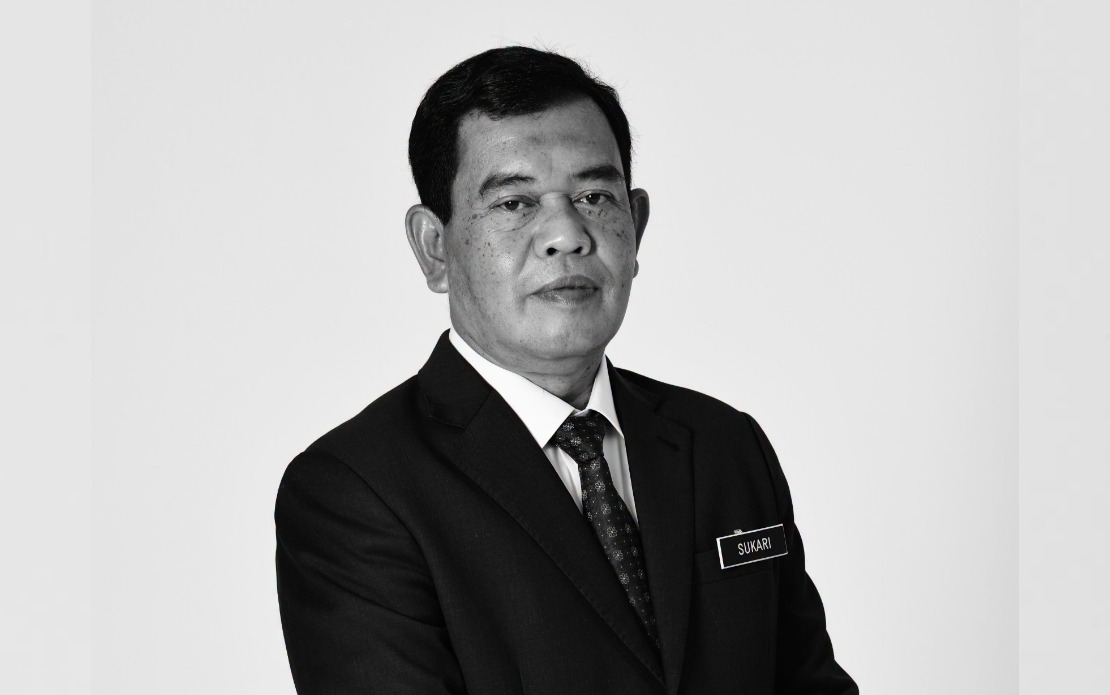
Communications Minister Datuk Seri Fahmi Fadzil has expressed his condolences following the death of Datuk Mohd Sukari Ab Hamid, the former director-general of the Information Department, who passed away on August 3. The 65-year-old senior civil servant was laid to rest after afternoon prayers at the Sakinah Cemetery in Kampung Melayu, Kepong, drawing a close to a distinguished career spanning multiple decades in Malaysia's government information apparatus.
In a heartfelt tribute shared on social media, Fahmi acknowledged the significant role Mohd Sukari played during his tenure leading the Communications Ministry. The minister recalled that Mohd Sukari was among the first senior officials he encountered upon assuming his portfolio, signalling the veteran administrator's central importance to the ministry's operations and institutional knowledge. This suggests a relationship built on professional respect and collaborative partnership in navigating the complex demands of government communications.
Fahmi emphasised that Mohd Sukari had been instrumental in supporting the ministry's work, serving as a key collaborator in executing critical administrative and policy functions. The minister's comments underscore how institutional leaders like Mohd Sukari often serve as bridges between political appointees and the permanent civil service, lending continuity and expertise to ministerial operations. Such relationships are particularly valuable when new ministers take office and require orientation and guidance on ongoing initiatives.
The passing of Mohd Sukari resonates across Malaysia's government communications sector, which the minister noted extends beyond individual departments to encompass the entire Communications Ministry ecosystem. The Information Department, which Mohd Sukari led, stands as one of Malaysia's oldest institutional mechanisms for coordinating and disseminating government information to the public, media, and international audiences. His tenure witnessed evolving communication challenges, from managing traditional media relations to navigating the complexities of social media engagement and digital information channels.
Mohd Sukari's appointment as director-general occurred on December 7, 2020, positioning him to lead the Information Department during a period marked by significant political transitions and the COVID-19 pandemic. His leadership spanned a transformative phase when government information strategies adapted to unprecedented public health communication demands, unprecedented political volatility, and rapid digitalisation of media consumption patterns across Malaysia. These contextual factors defined the challenges his department faced during his more than three-year tenure.
After serving in this senior position for over three years, Mohd Sukari transitioned into retirement on March 20, 2024, concluding a career representing the backbone of Malaysia's civil service structure. His retirement marked the departure of another generation of seasoned administrators who shaped institutional practices and accumulated knowledge about Malaysia's government machinery. The succession of such experienced leaders raises ongoing questions about institutional continuity and knowledge transfer within Malaysia's public sector.
Fahmi's invocation of Islamic prayers for Mohd Sukari's soul reflects both the personal dimensions of the minister's response and the broader cultural context within which Malaysia's government operates. The expression of religious sentiments in official condolences represents a standard practice within Malaysia's Muslim-majority political culture, acknowledging both the individual's contributions and shared faith values. Such gestures carry symbolic weight in reinforcing communal bonds among government officials and their families.
The death of senior civil servants like Mohd Sukari often prompts reflection on the roles played by permanent administrators in Malaysia's governance structure. Unlike elected politicians, career officials like him operate behind the scenes, implementing policy directives while providing institutional stability across successive administrations. Their expertise and institutional memory become invaluable as they work across multiple governments and political transitions, buffering policy continuity even amid shifting political leadership.
For Malaysian media and communications professionals, Mohd Sukari's passing represents the loss of a figure who shaped how government information flows to journalists and the public. As director-general of the Information Department, he oversaw institutional relationships with media outlets, coordinated press releases, managed government communication strategies, and represented the ministry in professional communications forums. His departure removes a familiar face from Malaysia's political communications landscape and marks another transition point in institutional leadership.
The broader implications of such transitions extend to Singapore, Brunei, and other Southeast Asian nations that maintain parallel information and communications structures. Leadership changes within Malaysia's information apparatus ripple across regional communication networks and bilateral information-sharing arrangements. Understanding these shifts matters for regional media monitoring, government relations, and cross-border communication initiatives involving Malaysian government bodies.

