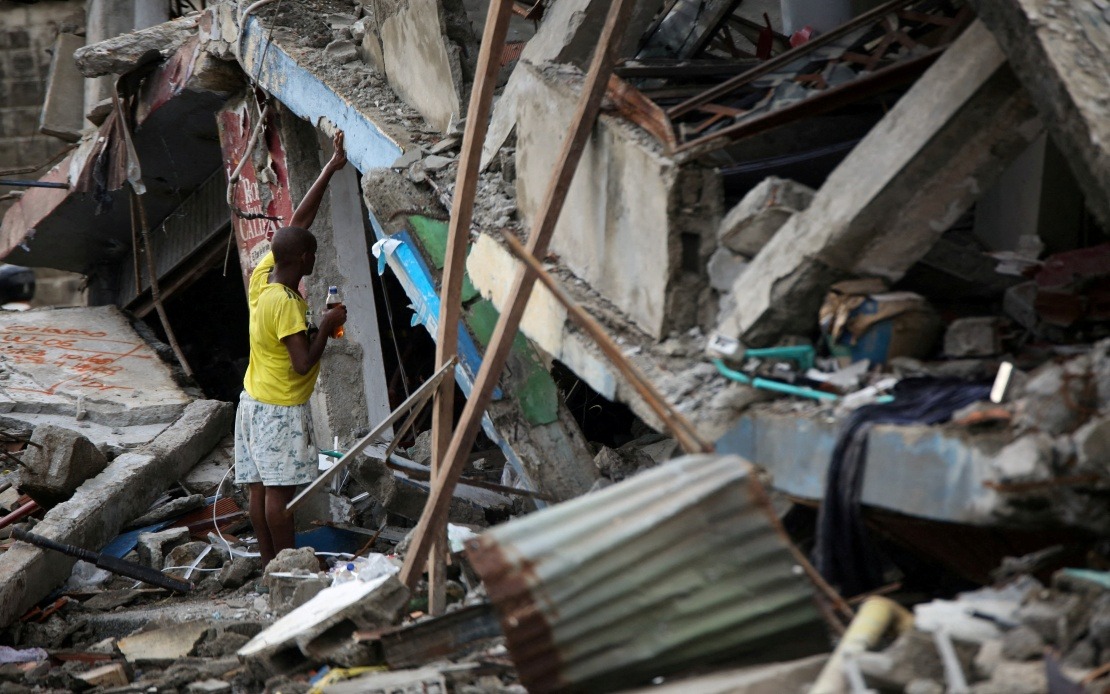
Colombia is grappling with a catastrophic convergence of natural disasters that has overwhelmed the capacity of national emergency services. The country is simultaneously managing the aftermath of a powerful 7.4 magnitude earthquake that struck on August 10 while battling an unprecedented surge in wildfires that has spread across much of the nation. In a single day, the number of municipalities placed on red alert for wildfire danger jumped by 93 per cent, reaching 344—representing a scale of fire threat that officials describe as extraordinary and beyond normal seasonal patterns.
The Institute of Hydrology, Meteorology and Environmental Studies (IDEAM) attributes the dramatic escalation to severe heat waves and persistently dry conditions gripping the country. These environmental factors have created ideal combustion conditions across multiple regions simultaneously. The National Unit for Disaster Risk Management identified active conflagrations concentrated in six major departments: Tolima, Cesar, Norte de Santander, Antioquia, Narino, and Santander. The geographic spread indicates that fires are not isolated incidents but rather a systemic environmental crisis affecting the nation's diverse ecosystems from Caribbean lowlands to high-altitude regions.
The material damage from these simultaneous blazes is staggering. Destroyed vegetation, agricultural land, and residential structures have already exceeded 11,000 hectares across multiple municipalities. This translates to the loss of productive farmland during a period when the country is already struggling economically. For rural communities already weakened by the earthquake, the destruction of crops represents a compounding disaster that threatens food security and livelihoods. Families in affected areas face the grim prospect of losing both shelter and agricultural assets within days of each other.
Responding to this multi-front emergency has stretched Colombia's institutional capacity to the breaking point. The National Unit for Disaster Risk Management has mobilized firefighting crews, military personnel, and emergency responders drawn from across the country, including units from departments like Risaralda that themselves suffered quake damage. The deployment of aerial support resources reflects the scale of the mobilization, yet officials acknowledge critical personnel shortages. Firefighters and emergency workers already exhausted from earthquake response operations have been thrust back into active duty without adequate time for recovery or replenishment of supplies.
The earthquake that triggered this cascading crisis claimed 288 lives and left over 80,000 structures damaged across the country. More than 12,500 homes have been completely destroyed, displacing tens of thousands of families. The National Unit recorded 4,018 people injured, many still receiving medical care. These statistics represent not merely property damage but profound social disruption. Communities that were beginning the arduous process of rebuilding now face the additional threat of fire, forcing authorities to evacuate areas and redeploy limited resources from reconstruction efforts back to emergency response.
Climate forecasting adds a troubling dimension to Colombia's immediate crisis. IDEAM projections indicate a 90 per cent probability that El Niño conditions will persist through early 2027, with the most intense heat anomalies expected toward the end of this calendar year. This forecast suggests that the current wildfire surge may not represent an isolated event but rather the beginning of an extended period of heightened fire danger. If IDEAM's projections prove accurate, Colombia may face recurrent fire outbreaks over the coming months, perpetually straining emergency resources and preventing full recovery from earthquake damage.
Additionally complicating the emergency response landscape is increased volcanic activity at Purace in the southern department of Cauca. This active volcano now requires concurrent monitoring and potential evacuation planning, forcing disaster management authorities to maintain vigilance across three separate natural hazards: earthquake recovery, active wildfires, and volcano monitoring. The institutional burden of simultaneously managing earthquakes, fires, and volcanic threats reveals the vulnerability of even relatively well-organized emergency systems when multiple major natural disasters coincide.
For regional observers and policymakers in Southeast Asia, Colombia's experience offers cautionary lessons about climate vulnerability and institutional preparedness. The rapid escalation from manageable seasonal fires to a crisis affecting 344 municipalities demonstrates how climate anomalies can overwhelm existing response frameworks. The combination of El Niño-driven heat and an earthquake that damaged infrastructure creates a perfect storm that exceeds normal disaster response capacity. Malaysia, Indonesia, and other Southeast Asian nations experiencing their own earthquake and fire risks should note how quickly cascading disasters can spiral beyond control when institutional resources are already committed to primary emergencies.
The international humanitarian implications are significant. Colombia will likely require external assistance—whether firefighting expertise, humanitarian supplies, or disaster recovery financing—from international partners and multilateral organizations. The country's economy, already facing demands from earthquake reconstruction, now confronts additional pressure from agricultural losses and emergency response costs. For a nation working to rebuild after one disaster, the arrival of another fundamentally alters development trajectories and fiscal priorities.
Colombian authorities have indicated that the current situation represents an unprecedented challenge in terms of simultaneous disaster management. Emergency services designed to handle periodic earthquakes or seasonal fires separately are discovering that handling both concurrently—with fire danger mounting rather than abating—requires fundamental rethinking of resource allocation and operational priorities. The decision to deploy firefighters from quake-affected regions to other provinces reflects desperate triage thinking, essentially sacrificing local recovery to prevent broader national catastrophe. This allocation choice, while pragmatically necessary, underscores the severity of the resource crunch facing national authorities.

