An internationally active hacking collective known as Cl0p has announced on its website that it successfully infiltrated and extracted substantial data from approximately 50 companies operating across multiple continents. The audacious claim encompasses well-known multinationals spanning diverse sectors, including energy producer Shell, healthcare technology manufacturer Philips, financial services processor Fiserv and industrial conglomerate General Electric. According to statements released through the group's online platform, the scale of the breach represents one of the largest coordinated attacks attributed to the organisation in recent months.
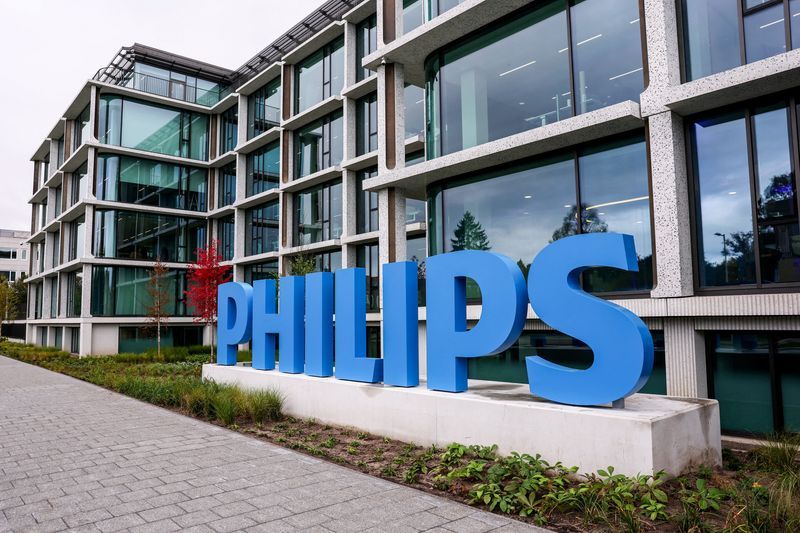
Shell acknowledged receiving reports of a potential security incident affecting its systems, with a company representative confirming awareness of the alleged breach and indicating that internal teams were collaborating with cybersecurity specialists to assess the situation thoroughly. Similarly, Philips issued a formal statement detailing that its security division had identified and successfully contained what it described as an attempted cybersecurity breach affecting a particular enterprise server housing internal company data. The Dutch technology firm emphasised that the incident remained isolated to internal systems and posed no direct threat to customer-facing environments or client operations.
Fiserv, a major provider of financial transaction processing services, responded to the claims by stating it had commenced a comprehensive investigation into the threat actor's allegations. Initial findings suggested no unauthorised access to customer information, banking transaction records, or personal data had occurred, and that the company's core operating systems remained uncompromised. The financial services processor's cautious but reassuring tone reflected standard corporate crisis communication, though the company maintained that its investigation remained ongoing. General Electric did not provide immediate comment on the allegations.
Cl0p belongs to a category of threat actors that researchers describe as professional data extortionists, distinguishing them from other hacking groups through their systematic, methodology-driven approach. Rather than targeting specific organisations based on industry, market position or competitive advantage, Cl0p identifies critical software vulnerabilities and broadly exploits them across entire customer bases. This technique maximises exposure and potential victim count, converting a single software flaw into multiple data breaches simultaneously.
Security researchers tracking the group's activities identified that Cl0p exploited previously unknown vulnerabilities affecting PTC Windchill and FlexPLM, sophisticated software platforms designed to streamline engineering workflows and facilitate manufacturing processes. PTC, the Boston-based software publisher, had issued multiple security advisories beginning in mid-June, urging all customers to apply available patches addressing the identified flaws. The company's repeated warnings appeared prescient, as evidence suggests the vulnerabilities had already been actively weaponised by the time patches reached distribution.
Brandon Parsons, a threat intelligence specialist employed by cybersecurity firm Ascent Solutions and principal author of a July 22 advisory issued by Ransom-ISAC, an industry collective dedicated to sharing threat information, reported that affected companies began receiving communications from Cl0p between July 19 and July 20. This timeline suggests the group moved remarkably rapidly between discovering or obtaining knowledge of the vulnerability and launching coordinated exploitation campaigns against thousands of potential targets utilising the vulnerable software.
The attack methodology reflects a sophisticated understanding of enterprise software supply chains and the interconnected nature of modern industrial systems. By targeting widely-deployed engineering and manufacturing platforms, Cl0p gained access to companies spanning numerous industries and geographies simultaneously. This approach contrasts sharply with traditional targeted attacks focusing on high-value individual organisations, instead leveraging economies of scale to compromise multiple enterprises with minimal additional effort.
For organisations operating across Southeast Asia, including Malaysia, the implications prove particularly significant. Many regional manufacturing facilities, petrochemical operations, and industrial enterprises utilise PTC software for design, engineering, and production management. The breach exposes not only these companies' internal data but potentially sensitive technical specifications, supply chain information, and proprietary manufacturing processes that competitors or nation-state actors might find valuable. The incident underscores how vulnerabilities in centralised software platforms can create cascading security failures across entire business networks.
The timing and scale of the Cl0p campaign demonstrate evolving threat actor capabilities and the growing sophistication of organised cybercriminal networks. Rather than operating opportunistically, these groups employ structured intelligence gathering, vulnerability research, and coordinated attack timelines resembling legitimate business operations. This professionalisation of cybercrime poses challenges for corporate security teams, particularly those in developing economies with limited cybersecurity resources, as defending against such coordinated campaigns requires substantial technical expertise and investment.
Regulatory and compliance implications ripple through affected industries. Companies subject to data protection regulations including Malaysia's Personal Data Protection Act must notify relevant authorities and affected individuals when personal data breaches occur. The potential involvement of Malaysian company operations in the breach means local regulatory bodies may initiate investigations or enforcement actions against any Malaysian subsidiaries of affected multinationals found to have inadequate security controls.
The broader cybersecurity landscape increasingly reflects this pattern of systematic, vulnerability-focused attacks rather than traditional targeted espionage. Security vendors and enterprise IT departments now emphasise rapid patching cycles, continuous vulnerability assessment, and real-time threat monitoring rather than defensive measures focused on preventing targeted attacks. The Cl0p campaign serves as a stark reminder that delaying security patch deployment, even by weeks, can expose organisations to compromise at unprecedented scale.
Industry observers note that such breaches often remain undetected for extended periods before public disclosure. The gap between initial compromise and discovery, potentially spanning weeks or months, means affected organisations may have already suffered significant data loss before implementing remediation measures. This detection lag creates particular challenges for incident response teams attempting to assess breach scope and determine which systems, files, and records were accessed.

