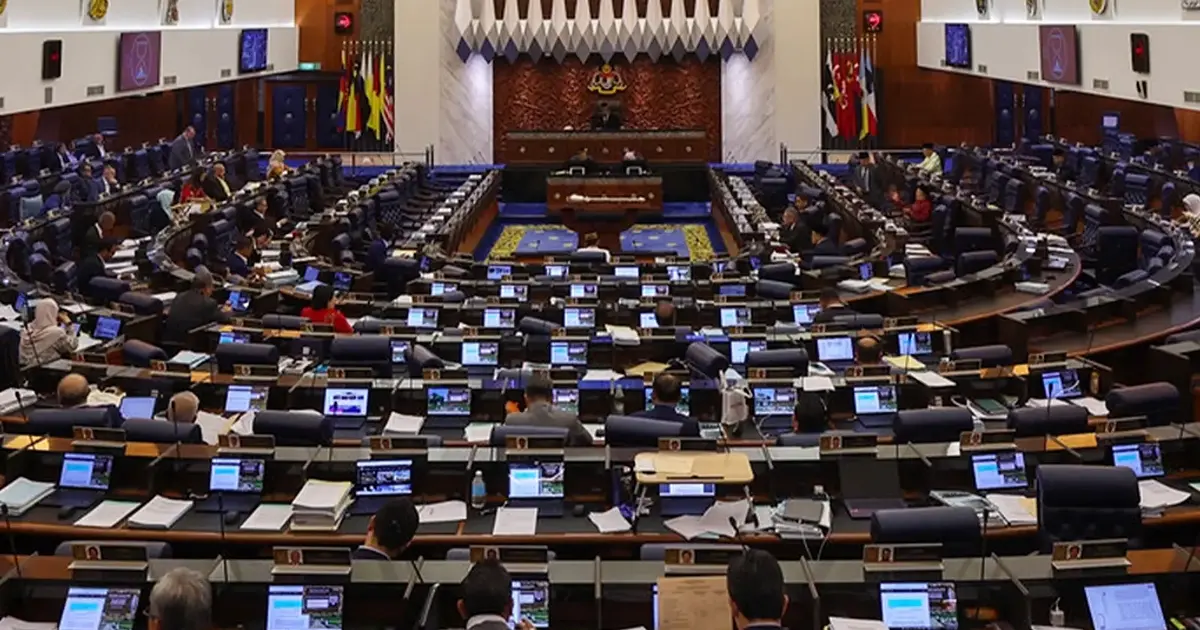
Malaysia's civil society sector is amplifying calls for political stability through institutional frameworks, urging the prime minister to host a comprehensive summit that brings together government and opposition lawmakers to forge a binding agreement on legislative and democratic reforms. This appeal represents a significant intervention by non-governmental organisations seeking to establish a structured dialogue mechanism before the 16th general election, signalling growing concern among independent observers about the trajectory of Malaysian democracy without coordinated reform efforts.
The NGO coalition's emphasis on Parliament completing its constitutionally mandated term reflects deeper anxieties within the activist community about the pattern of premature elections and political instability that has characterised Malaysia's recent parliamentary cycles. Rather than merely calling for political continuity in abstract terms, these groups are framing stability as a prerequisite for meaningful institutional reform, arguing that successive abbreviated parliaments have prevented sustained legislative work on critical governance issues. This reframing shifts the conversation from partisan interests to systemic effectiveness, positioning stability as serving the broader public interest rather than any particular political coalition.
The proposed cross-party pact represents a recognition that certain reforms require consensus-building across ideological divides, a particularly salient observation given Malaysia's contemporary political fragmentation. Elections since 2018 have produced increasingly fractured parliaments where no single coalition commands overwhelming support, creating conditions where legislation requires negotiation and compromise. By advocating for a pre-election agreement among major parties and blocs, civil society organisations are essentially proposing to depoliticise key reforms by establishing them as baseline commitments that transcend electoral cycles and government transitions. This approach acknowledges that structural democratic improvements—whether involving electoral systems, parliamentary procedures, or institutional independence—gain legitimacy and longevity when they reflect broad political acceptance rather than narrow partisan victories.
The timing of this civil society intervention carries particular significance given Malaysia's electoral calendar and the intensifying jockeying among political actors positioning themselves for GE16. Opposition parties, government coalitions, and smaller factions are already crafting narratives and alliances with an eye toward the next general election, potentially complicating efforts to build consensus on long-term institutional questions. By encouraging national leaders to commit to a reform agenda before electoral competition fully dominates the political landscape, NGOs are attempting to carve out space for constructive dialogue about governance questions that should transcend partisan calculation. The summit proposal, if adopted, would create a formal mechanism for translating civil society recommendations into political commitments with visible signatures from major party leaders.
The specific emphasis on securing these agreements before GE16 rather than afterward reflects a calculated judgment about political windows and negotiating leverage. Outgoing governments and opposition coalitions considering their prospects in the next election may find unexpected common ground on governance reforms that neither side views as advantageous to opponents. Conversely, post-election negotiations typically occur under conditions of clear hierarchy, where victorious coalitions have reduced incentive to accommodate opposition preferences on substantive issues. Civil society's timing argument suggests that pre-election consensus-building, though unconventional in Malaysian politics, offers the most realistic pathway to durable multi-party agreement on democratic institutions.
The NGO intervention also implicitly critiques Malaysia's recent pattern of governance, where periodic election cycles have reduced Parliament's capacity to address longstanding legislative agendas. Between GE14 in 2018, GE15 in 2022, and the present, Malaysia has held back-to-back elections separated by compressed parliamentary sessions, limiting sustained committee work, constituency engagement, and deliberative legislative processes. Civil society organisations evidently view this pattern as unsustainable and corrosive to parliamentary effectiveness, even when individual governments have pursued competent administration. By linking full parliamentary terms to substantive reform outputs, the NGO coalition is advancing an argument about institutional health that moves beyond partisan electoral preferences.
The proposal for a formal summit with documented agreements carries symbolic weight in Malaysian political culture, where such high-level convocations signal urgency and legitimacy while creating reputational stakes for participating leaders. A summit hosted by the prime minister and attended by major opposition figures would represent exceptional political cooperation and would presumably attract substantial media coverage, establishing the reform pact as a public commitment rather than a confidential understanding. This visibility serves civil society's interest in ensuring that agreements cannot be quietly abandoned or de-prioritised once elections conclude and new governments assume office. The transparency of a formal, publicised summit also allows NGOs themselves to monitor compliance and hold signatories accountable through advocacy campaigns and public pressure.
Malaysian NGOs' positioning of themselves as interlocutors between government and opposition reflects their broader institutional role as platforms for civil dialogue across political divides. Unlike political parties operating within zero-sum competitive frameworks, civil society organisations can plausibly claim neutrality and commitment to systemic rather than factional interests. By initiating this call for cross-party reform discussions, non-governmental groups are leveraging their legitimacy as independent actors to broker conversations that competing political entities might be reluctant to initiate themselves. This mediation function becomes increasingly valuable in deeply polarised political environments where direct government-opposition contact faces suspicion from partisan bases.
The substantive content of proposed reforms remains largely unspecified in public statements, though Malaysian civil society has historically prioritised areas including electoral system design, institutional independence of key agencies, legislative transparency, and constitutional interpretation procedures. Any eventual cross-party reform pact would necessarily address these domains while seeking language acceptable to diverse political factions with different institutional interests. The challenge of achieving genuine consensus on governance questions that have electoral consequences will test both the commitment of political leaders and the diplomatic capabilities of the NGO coalition attempting to facilitate these negotiations.
For Southeast Asian observers and democratic development specialists, Malaysia's civil society experiment with summit-based cross-party reform frameworks offers an intriguing alternative to purely electoral mechanisms for addressing institutional questions. If successful, this approach could demonstrate how independent civil society can expand political space for constructive engagement on structural governance issues amid competitive electoral dynamics. The outcome will likely influence how democratic reform initiatives are framed and pursued across the region in contexts characterised by political fragmentation and ideological polarisation.

