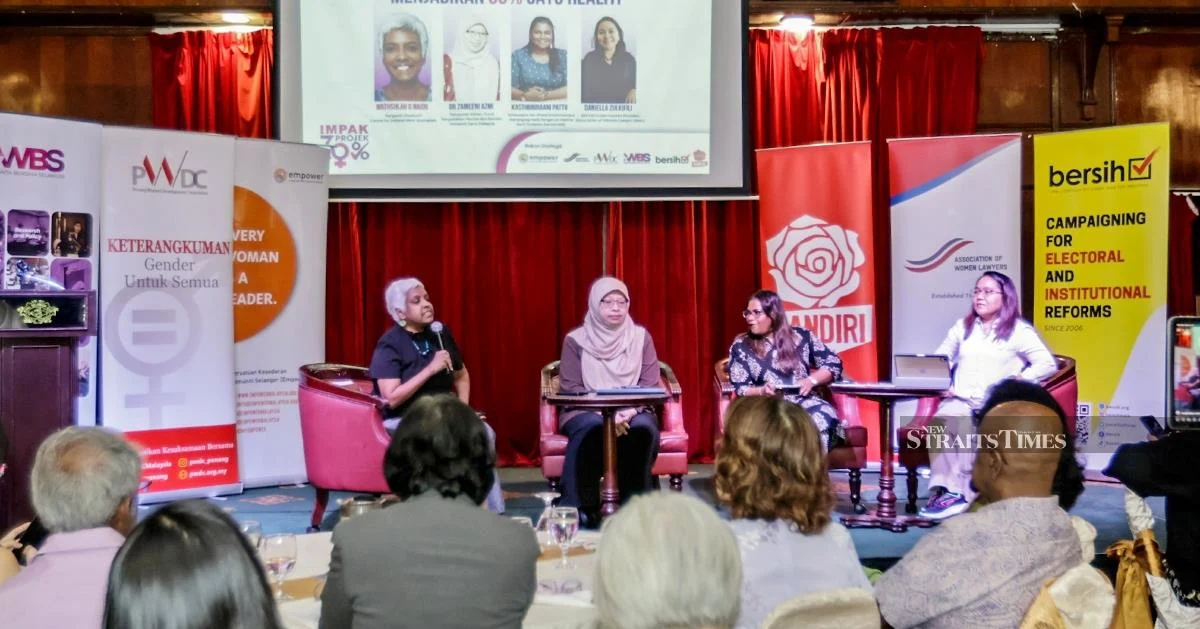
A consortium of Malaysian civil society organisations has formally presented a memorandum and proposed legislation to the federal government, requesting that political parties be mandated to select a minimum of 30 per cent women as electoral candidates for the next general election. The submission represents a significant push by advocacy groups to address persistent gender imbalances in parliamentary representation, an issue that has long concerned activist communities across the nation.
The campaign reflects growing momentum in Southeast Asia toward greater female participation in electoral politics. Malaysia's current representation of women in parliament remains considerably below the 30 per cent threshold being proposed, placing the country behind several regional peers in terms of gender diversity in legislative bodies. The initiative seeks to leverage the electoral cycle as a mechanism for systemic change, establishing a binding legal framework that would apply universally across party lines.
The memorandum and draft legislation were submitted in Kuala Lumpur, signalling the formal presentation of this proposal to relevant government bodies and policymakers. This procedural approach suggests the coalition has pursued conventional channels for advocacy, grounding their appeal in documented evidence about the benefits of women's representation in political decision-making. By framing the initiative as legislative change rather than voluntary measures, the groups are attempting to create enforceable standards rather than relying on political goodwill.
The 30 per cent benchmark itself carries both symbolic and practical significance. International governance standards and research from bodies like the United Nations have increasingly identified this threshold as a critical mass for meaningful influence on policy outcomes. Below this level, women's concerns often remain peripheral to legislative agendas, whereas reaching or exceeding this point typically correlates with substantive shifts in parliamentary priorities, particularly regarding gender-sensitive issues such as family law, workplace discrimination, and healthcare.
For Malaysian readers, the timing of this proposal holds particular relevance given the electoral calendar. General elections typically occur within predictable five-year windows, providing political parties with advance notice and planning capacity to restructure candidate selection processes. The proposed measure would apply pressure on all major parties simultaneously, preventing any single organisation from gaining competitive advantage by unilaterally adopting higher quotas—a concern that has previously derailed voluntary initiatives in other democracies.
The submission raises substantial questions about implementation and enforcement. Malaysia's electoral commission would presumably require powers to verify compliance, creating administrative frameworks that don't currently exist. Political parties across the spectrum would face operational changes in their candidate recruitment and selection procedures, requiring shifts in internal governance structures and nomination processes. These practical hurdles represent genuine barriers to adoption, even among parties philosophically sympathetic to gender equality.
Regional context matters significantly here. Indonesia's electoral law mandates 30 per cent women candidates, establishing a working precedent in the broader region. Thailand has implemented varying quota requirements across electoral cycles. The Philippines achieved substantial female representation through targeted advocacy. Malaysia's proposal thus positions the country alongside these neighbours in recognising that market-driven or voluntary approaches have failed to deliver balanced participation, necessitating structural legal interventions.
Political party responses will prove decisive. Ruling coalition parties face considerations about their legislative records on gender issues and how quota adoption might resonate with diverse constituencies. Opposition parties might view the proposal instrumentally, assessing whether backing the measure strengthens their positioning on social progressivism. The submission's success likely hinges on achieving cross-party consensus, rather than partisan dominance of the debate.
The civil society coalition's approach also reflects evolving advocacy strategies in Malaysia's democratic landscape. Rather than pursuing constitutional amendments—which face exceptionally high bars—the groups have pursued ordinary legislation, a more achievable pathway that nonetheless carries substantial political challenges. This pragmatic calibration suggests experienced strategists who understand Malaysian parliamentary procedures and political dynamics.
Beyond representation metrics, the underlying argument concerns governance quality. Research increasingly demonstrates that diverse legislative bodies make different policy choices, particularly regarding education, health, and social protection investments. Women legislators consistently champion family support services, childcare infrastructure, and gender-sensitive criminal law reforms at higher rates than their male counterparts. A 30 per cent threshold would therefore meaningfully alter parliamentary priorities across multiple policy domains.
The proposal also intersects with Malaysia's international standing and soft power considerations. ASEAN nations increasingly benchmark governance standards against gender equality metrics. International development partners and investment communities increasingly scrutinise demographic representation as a governance indicator. Adopting the quota would position Malaysia as a progressive regional voice committed to inclusive political participation, potentially enhancing its diplomatic profile.
Successfully implementing such legislation would require substantial political capital from government leaders willing to champion the measure through parliamentary passage. Current political configurations, with competing interests and coalition dynamics, create unpredictable terrain. Nevertheless, the formal submission establishes the proposal as a documented government-level agenda item, ensuring ongoing pressure and accountability.
The path forward remains uncertain, but the coalition's initiative signals determination to move beyond rhetoric toward binding institutional change. Whether lawmakers prioritise this proposal amid competing demands on parliamentary time will reveal much about Malaysian political commitment to substantive gender equality.