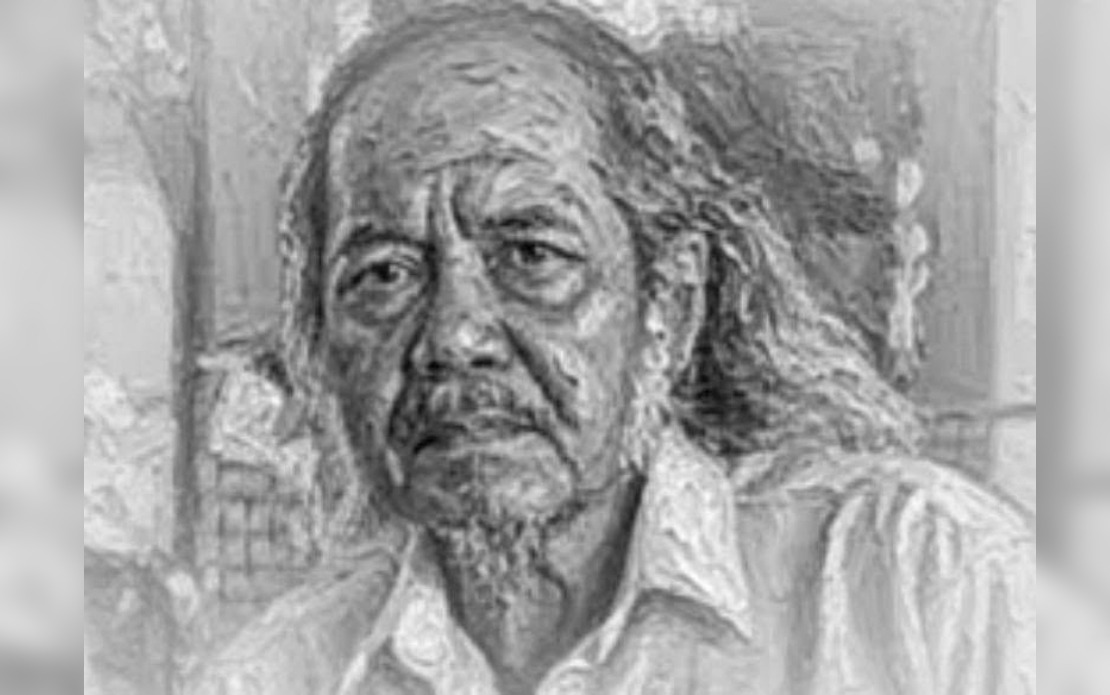
The Malaysian arts community is grieving the loss of Kamarozaman Yusoff, better known as Cik Man, one of the country's most respected character actors, who died on Monday at Tanah Merah Hospital in Kelantan following heart complications. He was 68 years old. The veteran performer's death marks the end of an extraordinary career spanning more than four decades that fundamentally shaped the landscape of Malaysian film and television drama, leaving behind an indelible mark on the nation's cultural fabric.
Hafiz Nafiah, secretary-general of the Malaysian Artistes' Association (SENIMAN), released a statement honouring Cik Man's immense contributions to the local creative industries. In his remarks, Hafiz characterised the late actor as among the finest practitioners of character work in Malaysian cinema, someone whose natural and deeply felt performances set him apart from his contemporaries. What distinguished Cik Man throughout his career was not merely his technical skill as an actor but his unwavering authenticity in every role he undertook, an approach that resonated powerfully with audiences across the nation.
One of Cik Man's most defining characteristics was his masterful command of the Kelantan dialect, which became inseparable from his public persona and artistic identity. This linguistic authenticity, paired with his naturalistic acting style, allowed him to inhabit characters with a particularity and regional specificity that few other Malaysian actors could match. Rather than imposing external mannerisms onto his roles, Cik Man drew from genuine cultural knowledge and lived experience, lending his performances a credibility that viewers instinctively recognised and appreciated. This commitment to truthfulness in representation became a hallmark of his work and influenced how many younger actors approached character development.
Despite his considerable talent and the respect he commanded within the industry, Cik Man remained notably uninterested in pursuing celebrity status or widespread public recognition. According to Hafiz, the late actor's defining qualities were his steadfast dedication to the craft, his professional discipline, and his deep commitment to advancing the arts. These values earned him profound respect among fellow performers and a new generation of actors who looked to him as a model of integrity and seriousness of purpose. In an entertainment landscape often dominated by commercial considerations and personal branding, Cik Man's approach was refreshingly old-fashioned, prioritising the work itself over fame or financial gain.
Cik Man's breakthrough came in 1986 when he delivered a memorable performance as Farouk in the film Gila-Gila Remaja, a role that first brought him to the attention of cinema audiences and industry professionals alike. From that initial success, he methodically built a formidable body of work that demonstrated his range and versatility across multiple genres and formats. He appeared in Rozana Cinta 87, the energetic musical comedy Rock, Rock Oo!, and the sequel Rock Bro!, films that showcased his ability to blend humour with emotional depth. His filmography also included dramatic works such as Tiada Tajuk and the horror anthology Cerita Hantu Malaysia, as well as television performances in the series Banyak Chanteq, which allowed him to develop characters over extended narrative arcs.
Among Cik Man's most celebrated and enduring contributions to Malaysian popular culture was his iconic role in the Rock film trilogy, helmed by the late director Mamat Khalid. These films have achieved a quasi-legendary status in local cinema history, and Cik Man's characterisation remains one of the most fondly remembered elements of the series. The Rock films occupy a special place in the collective memory of Malaysian audiences, particularly those who grew up during the period of their release, and Cik Man's presence in them has ensured that his legacy will continue to resonate with viewers for generations to come. Even as tastes in cinema evolve and new technologies transform how stories are told, these films remain touchstones of Malaysian popular cinema, and Cik Man's performances within them serve as a permanent record of his artistry.
Hafiz's statement on behalf of SENIMAN emphasised that although Cik Man has departed from the physical world, his artistic contributions will persist indefinitely through the films and television programmes he created. This sentiment reflects a broader understanding within the arts community that significant creative achievements transcend the lifetime of the creator, continuing to inspire, entertain, and educate audiences long after the performer's passing. In Cik Man's case, younger actors can study his techniques and approach to character work, while audiences can revisit his performances and discover anew the qualities that made him such a distinctive presence on Malaysian screens. His work serves as both a record of a particular moment in Malaysian cultural history and as a resource for future development of the nation's film and television industries.
The association extended formal condolences on behalf of its leadership and membership, expressing profound gratitude for Cik Man's role in elevating the standard and international standing of Malaysia's creative arts sector. SENIMAN noted that his influence extended beyond his own performances to shape the professional environment in which other artists worked, establishing benchmarks for commitment and artistic integrity. The statement concluded with a prayer that Cik Man's soul find peace and be granted a place among the righteous, reflecting the cultural and religious values that inform expressions of grief and remembrance within Malaysian society.

