Mainland China's outbound tourism landscape is undergoing a significant recalibration this summer as travellers retreat from long-haul markets and concentrate their spending within Asia, a shift driven by a convergence of geopolitical friction, economic headwinds, and pragmatic reassessment of holiday budgets. The transformation reveals how quickly shifting circumstances can reshape the global tourism hierarchy, with profound implications for destinations across Southeast Asia competing to capture China's still-formidable tourist dollars.
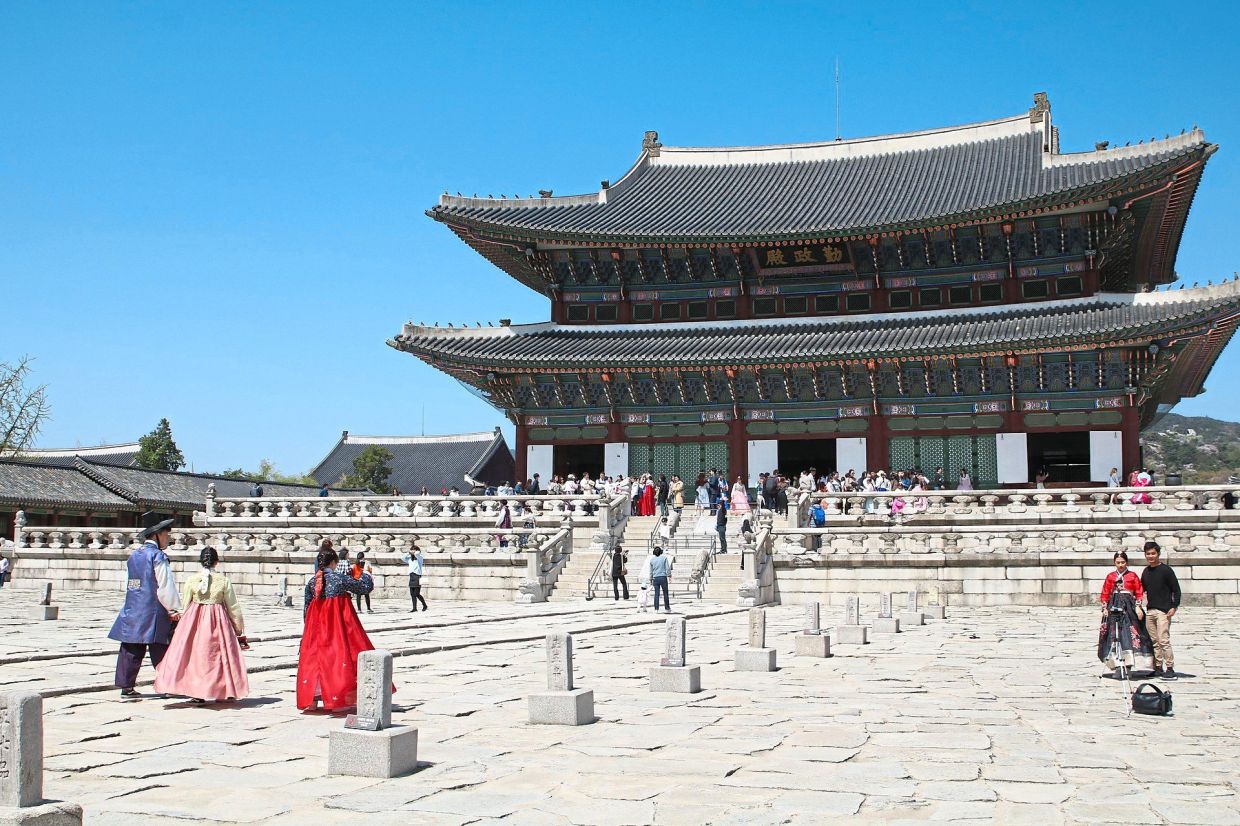
According to booking analytics compiled by China Trading Desk, Seoul has emerged as the most attractive summer destination for mainland Chinese visitors, commanding an expected 2.15 million arrivals from June through August—a robust 14 percent increase year-on-year. Hong Kong follows closely with approximately 1.94 million expected arrivals, reinforcing the dominance of proximate Asian hubs. However, the most telling indicator of this geographic realignment lies in the performance of Southeast Asian gateways, where Malaysia and Vietnam are capturing disproportionate shares of the shifting demand.
Kuala Lumpur has experienced particularly strong momentum, with year-on-year growth accelerating 16 percent as Chinese travellers recognise the Malaysian capital's value proposition and accessibility. Vietnam's major urban centres, including Ho Chi Minh City and Hanoi, have secured positions within the top ten destinations, reflecting growing appreciation for the country's combination of affordability, cultural appeal, and regional convenience. This concentration within Southeast Asia underscores a fundamental reorientation: Chinese tourists are consciously selecting destinations characterised by proximity, perceived safety, reasonable pricing, and straightforward logistics—a departure from the era of aspirational long-haul tourism that once defined mainland Chinese travel culture.
The retreat from traditional long-established markets has been equally dramatic. London has lost considerable ground to regional competitors like Osaka and Jeju, signalling that the prestige associated with European travel has diminished relative to the practical advantages of remaining within Asia. More strikingly, Tokyo has experienced a catastrophic 26 percent collapse in Chinese visitor numbers this summer, while Osaka, once a reliable destination, has fallen entirely from the top ten rankings. These declines reflect accumulated geopolitical friction that transformed Japan from a perennial favourite into a destination consciously avoided by increasingly cautious travellers.
The deterioration of China-Japan relations stems substantially from inflammatory rhetoric emanating from Tokyo. Japanese Prime Minister Sanae Takaichi's assertions last year that a hypothetical Chinese military operation against Taiwan could trigger Japanese military intervention provoked direct retaliation from Beijing, which explicitly encouraged its citizens to reconsider Japan travel. The Japanese National Tourism Organisation confirmed the severity of this downturn, documenting a staggering 60 percent year-on-year collapse in mainland Chinese arrivals during May alone—a decline that transcends normal seasonal fluctuations and reflects deliberate policy-influenced behaviour modification.
Simultaneously, the broader external environment has complicated travel planning. The conflict in West Asia precipitated flight disruptions that dampened outbound travel during critical booking windows. June passenger flows are tracking approximately 4.9 million, substantially below the prior year's 5.3 million, indicating that geopolitical instability extends consequences beyond direct conflict zones to affect aviation networks serving broader regions. As Subramania Bhatt, head of China Trading Desk, observed, the destinations capturing market share this cycle are fundamentally those perceived as accessible, reliable, and reasonably priced—a marked departure from luxury-driven destination selection that characterised previous generations of Chinese tourism.
Beyond destination selection, Chinese travellers are fundamentally altering spending patterns in ways that reshape retail and hospitality economics throughout Asia. The mainland economy's protracted slowdown, compounded by the ongoing property sector contraction that has eroded consumer confidence, has incentivised a more discerning approach to holiday expenditure. Although per-trip spending achieved a two-year peak of US$4,085 in March, subsequent growth has decelerated materially as consumers demonstrate heightened sensitivity to value calculations. Independent travel analyst Hanming Li characterised the emerging environment as one where maximising experiential satisfaction within constrained budgets has become paramount, intensifying competitive pressure among destinations.
This budget consciousness manifests most visibly in duty-free purchasing behaviour, where mainland travellers have demonstrated increased price sensitivity and deal-seeking inclination. Average duty-free expenditure has contracted year-on-year as consumers compare alternatives more rigorously. The composition of purchases is simultaneously shifting toward practicality: fashion and beauty categories maintained resilience, constituting approximately 76 percent of spending through mid-summer against 71 percent during the corresponding June 2025 period. Conversely, discretionary luxury purchases have contracted markedly, with jewellery and watches declining from 28 percent of expenditure to 23 percent—a compression that reflects deliberate reallocation toward goods perceived as essential or offering superior value propositions.
For Southeast Asian destinations like Malaysia, these dynamics present simultaneous opportunities and challenges. The surge in Kuala Lumpur visitation and Vietnam's rising popularity provide immediate revenue opportunities, yet the evidence suggests these gains may reflect shift patterns rather than absolute growth in Chinese outbound travel capacity. The World Travel and Tourism Council projects that mainland Chinese tourists will undertake 184 million outbound journeys and expend approximately US$265 billion this year, representing continued substantial aggregate capacity despite the moderation in growth trajectories. Malaysian hospitality and retail sectors must therefore capitalise on elevated visitation volumes while remaining cognisant that these travellers are more price-conscious, more comparative in purchasing, and more likely to scrutinise value before committing expenditure.
The medium-term trajectory remains conditional upon geopolitical stabilisation and aviation network recovery. The tentative diplomatic progress between the United States and Iran may eventually restore confidence in Gulf transit routes, potentially facilitating long-haul travel resurgence. However, Bhatt cautioned that operational normalisation progresses considerably more slowly than strategic confidence restoration. Airlines managing fuel costs, insurance premiums, aircraft utilisation rates, and schedule recovery require extended periods to restore capacity and pricing, meaning that the structural advantage currently enjoyed by regional Asian destinations will likely persist through autumn and potentially beyond. The competition for Chinese tourists has accordingly intensified, with Southeast Asian hubs occupying unexpectedly advantageous positions in a shifting hierarchy.

