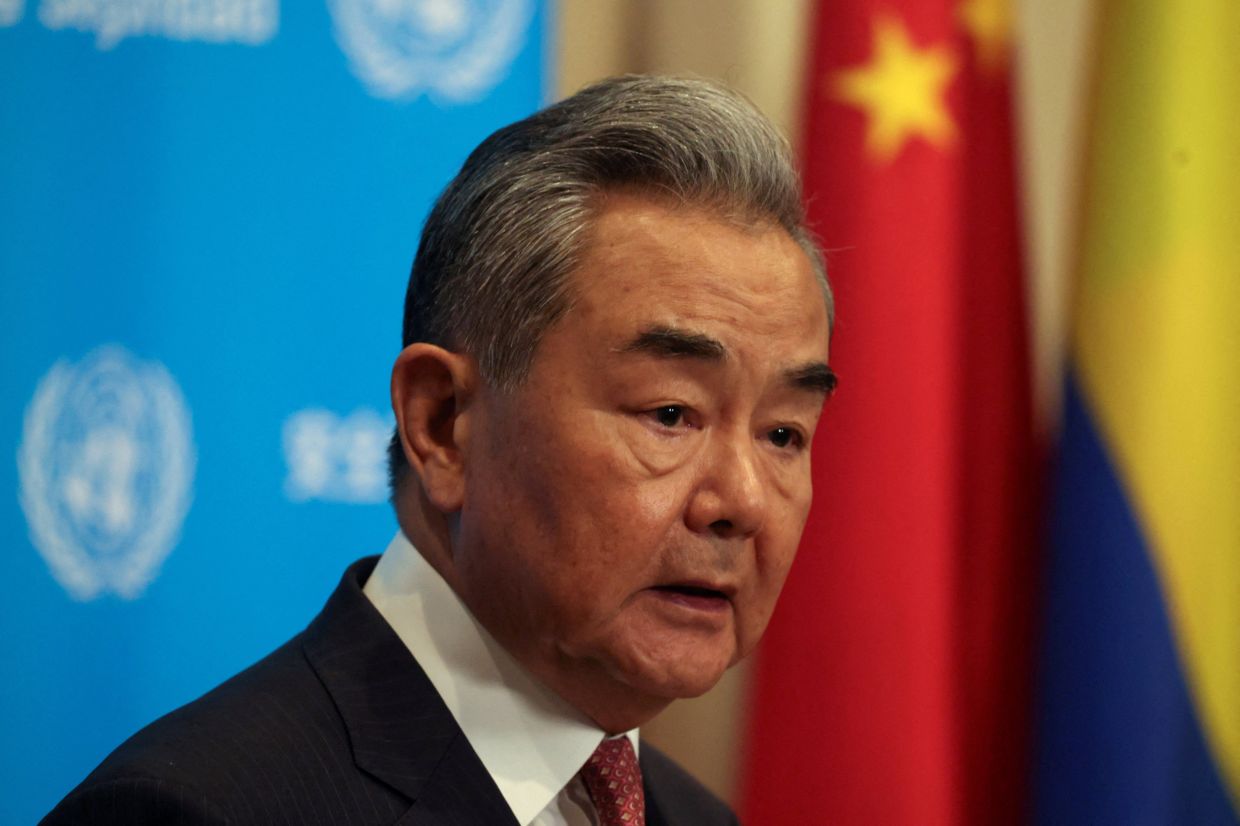
China's top diplomat has issued a pointed warning to the United States following direct talks with Secretary of State Marco Rubio, underscoring Beijing's sensitivity over Taiwan and its determination to prevent the island from becoming a flashpoint in deteriorating bilateral relations. The message from Foreign Minister Wang Yi, delivered during a Tuesday conversation with Rubio, reflects mounting anxiety in China's leadership about how the Trump administration might handle cross-strait issues, a concern that has grown increasingly acute as the initial goodwill from a recent presidential summit begins to show cracks.
The exchange between the two foreign ministers occurs against a backdrop of complex diplomatic choreography between Washington and Beijing. Wang emphasized that developing a constructive and strategically stable relationship serves the interests of both nations and the broader international community. His framing went beyond platitudes, stressing that such engagement demands substantive commitment rather than rhetoric alone. The foreign minister articulated Beijing's vision of cooperation built on concrete actions, mutual movement toward accommodation, and sustained dedication to improving ties rather than relying on ceremonial declarations.
Central to Wang's message was a strategic reframing of the bilateral agenda. He proposed that both countries should expand their areas of cooperation and identify fresh opportunities for partnership while simultaneously narrowing the scope of contentious issues and mitigating various risks and uncertainties. This formulation reflects Beijing's preference for compartmentalizing relations, isolating Taiwan and other sensitive matters from broader engagement on economics, security, and geopolitical stability. For Southeast Asian observers, this approach signals China's intent to manage rather than resolve fundamental disagreements with Washington.
The Taiwan issue remains the most volatile element in the US-China relationship, a reality underscored by Xi Jinping's direct intervention during his recent summit with President Trump. During that meeting weeks earlier, the Chinese president explicitly raised the island question, warning that mishandling it could trigger military confrontation and push bilateral relations into what he termed an "extremely dangerous situation." Xi's bluntness reflected Beijing's determination to ensure that the Trump administration fully grasps the existential importance China places on Taiwan, treating it not as a peripheral diplomatic matter but as a core national interest.
Beijing's governance framework considers Taiwan an integral part of its territory, a position that fundamentally shapes how Chinese leaders view any international involvement with the island. This perspective drives China's insistence that Washington must exercise extreme prudence in its Taiwan policies and military assistance. Wang's invocation of "utmost caution" should be understood as a diplomatic pressure tactic designed to constrain American flexibility on a question where Beijing tolerates no ambiguity.
The timing of this exchange reveals troubling patterns emerging beneath the surface of the May summit's ostensibly positive outcomes. That meeting produced what the Trump administration framed as historic achievements, including commitments from Beijing to address American concerns regarding supply chain vulnerabilities and critical material shortages that have plagued US industries and manufacturing sectors. The administration released detailed fact sheets enumerating the deals reached, presenting them to domestic audiences as validation of Trump's negotiating approach with China.
Yet despite these announced agreements and the cooperative tone initially established, subtle indicators of deteriorating rapport have become apparent in recent weeks. The visible strain between the world's two largest economies suggests that the structural tensions underlying their competition remain unresolved beneath the veneer of constructive engagement. Issues ranging from intellectual property protection to technology transfer continue to generate friction, while broader geopolitical competition in the Indo-Pacific region persists.
The prospective visit by Xi to the United States represents another critical juncture in bilateral relations. Such a summit would provide both leaders with an opportunity to reset expectations and reaffirm commitment to managing competition peacefully. However, the current exchange between Wang and Rubio suggests that substantive disagreements over Taiwan policy could complicate such high-level engagement. American support for Taiwan, whether through arms sales or diplomatic recognition, remains a persistent irritant in Beijing's relationship with Washington.
For Malaysian and Southeast Asian policymakers, these developments carry significant implications. The region's stability depends substantially on preventing escalation in US-China relations, yet Taiwan remains an issue where both sides show little willingness to compromise. Any deterioration in bilateral ties could create instability affecting trade, investment, and regional security architecture. Countries throughout the region have carefully calibrated their China policies while maintaining security partnerships with the United States, a balancing act that becomes more precarious if US-China competition intensifies.
Wang's careful framing of the need for both countries to "stay firmly on this correct path" suggests Chinese concern that recent summit gains could unravel without sustained diplomatic effort. Beijing's strategy appears focused on establishing guardrails around the relationship while simultaneously isolating Taiwan as a subject requiring special handling. The Foreign Minister's emphasis on "persistent efforts" indicates that China views relationship management as an ongoing process requiring constant attention and reinforcement.
The conversation also reflects divergent approaches to bilateral competition. China seeks compartmentalization and managed coexistence, while Washington continues grappling with how to balance engagement with strategic competition. These competing visions create space for misunderstanding, particularly regarding Taiwan where Chinese red lines are non-negotiable and American commitments remain steadfast. Whether Wang's cautionary message penetrates Washington's policymaking apparatus remains uncertain, but Beijing's determination to shape American Taiwan policy through high-level diplomatic warnings appears undiminished.

