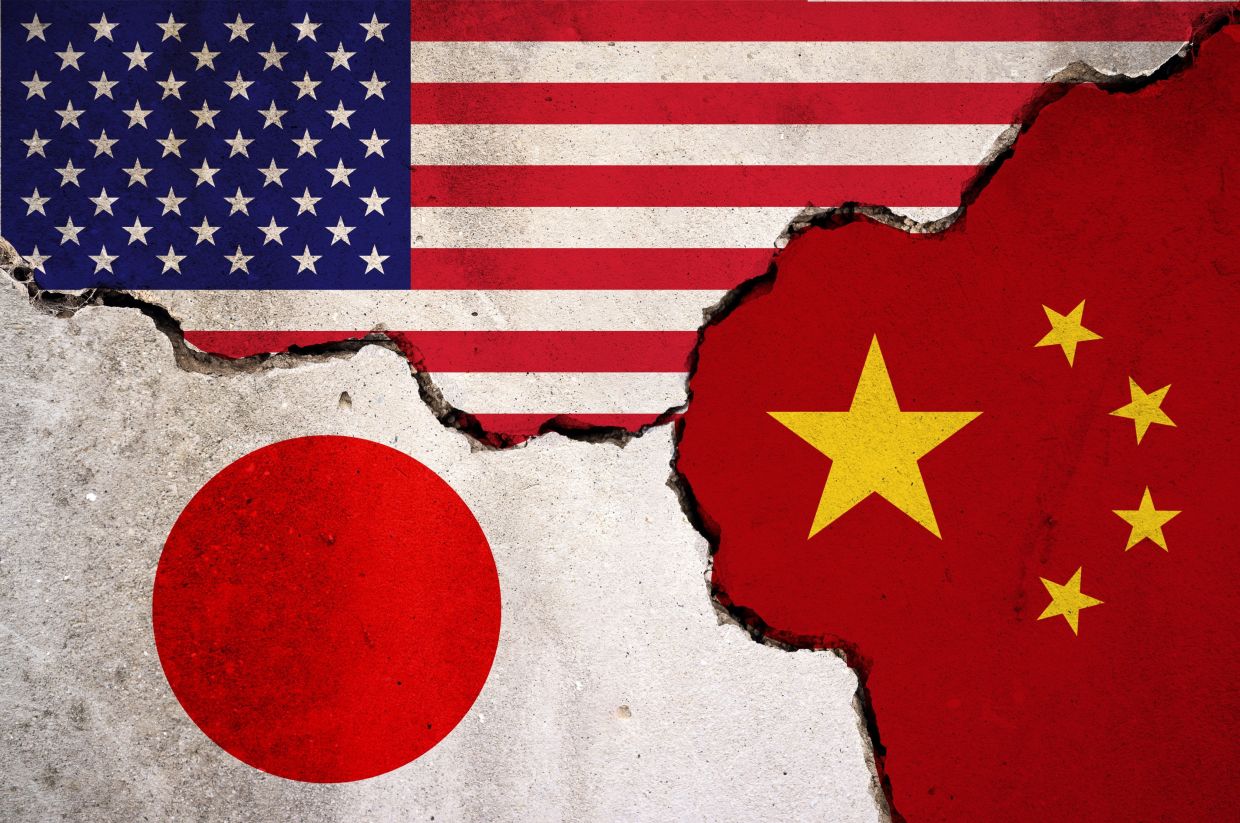
A deepening crisis of confidence is unfolding across East Asia as Beijing wages sustained economic warfare against Tokyo, while the incoming Trump administration remains largely unmoved. Over the past seven months, an increasingly assertive China has deployed repeated punitive measures against Japan, leaving Tokyo feeling isolated and questioning Washington's commitment to their cornerstone alliance. The uncertainty reverbacing through the region reflects not merely transient diplomatic friction, but fundamental questions about the architecture of US security guarantees in an era of growing great-power competition and a president whose approach to international relations prioritises personal gain over collective security.
The flashpoint originated in November when Japan's then-newly elected Prime Minister Sanae Takaichi made explicitly what had long remained implicit: she stated that any Chinese military assault on Taiwan would pose an existential threat to Japan. "If it involves the use of warships and military actions, it could by all means become a survival-threatening situation," the hardline politician declared to Japanese lawmakers, refusing to retreat from her position despite knowing it would provoke Beijing. Her remarks, while strategically rational given Japan's geographic proximity and the massive US military footprint on its soil, shattered decades of carefully maintained strategic ambiguity surrounding the Taiwan question. China swiftly responded with characteristic fury, treating the statement as a violation of its core "red line" and initiating a cascade of retaliatory measures that would stretch across subsequent months.
What proved equally troubling to Tokyo, however, was the muted reaction from Washington. Rather than vigorously defending its treaty ally against Chinese coercion, the Trump administration offered only tepid acknowledgment of the dispute, creating a dangerous perception that the United States would not reliably stand behind Japan when pressure mounted. Analysts and former government officials attribute this hesitation partly to Trump's distinctive personality and philosophical orientation toward international relations. Unlike previous administrations that viewed collective security arrangements as mutually reinforcing, Trump has consistently portrayed alliances through a transactional lens, viewing security commitments as potential liabilities rather than strategic assets. This worldview has proven particularly consequential in the context of Chinese pressure on Japan, where Washington's silence sends unmistakable signals about the depth of American commitment.
Behind closed doors, Japanese officials have grown increasingly urgent in their appeals to Washington, escalating from initial one-time requests to frequent discussions involving cabinet-level and legislative representatives. According to sources familiar with these conversations, Tokyo has specifically sought American pressure on Beijing to roll back economic restrictions imposed in January following Takaichi's remarks. These entreaties have mounted steadily in recent months, yet the White House has consistently deprioritised the issue. One insider characterised the administration's response with bitter economy: "It's been a case of 'Japan wants this ... Next subject.'" The contrast between Trump's engagement with China and his support for Japan has not escaped Tokyo's notice. When the president did raise the issue of Chinese rare earths restrictions with President Xi Jinping, the conversation apparently carried little weight or follow-up. Japanese officials detect a pattern of what one source called "lip service" to Japanese leadership paired with conciliatory engagement toward Beijing.
Several intersecting factors explain Trump's apparent indifference to Japanese security concerns, though none individually tells the complete story. The administration's acute preoccupation with the Middle East, particularly the Iran conflict that Trump initiated in coordination with Israeli Prime Minister Benjamin Netanyahu, has diverted attention and resources from Asia-Pacific strategics. Major military platforms and air defence systems have been redeployed from East Asia to the Persian Gulf, reflecting a fundamental reordering of strategic priorities. Yet this explanation carries limitations, as Takaichi's original comments predated the Middle East conflict's February escalation, suggesting deeper sources of American ambivalence.
More revealing is Trump's evident calculation that treating Japan coolly while maintaining diplomatic flexibility with China serves his immediate political and personal interests. With his approval ratings declining domestically and war-related economic disruptions complicating the path toward midterm electoral success, the president may view regional security commitments as negotiating currency with Beijing. Jeffrey Moon, a former National Security Council member and China specialist, observes that Trump appears to view Taiwan and Japan as cards he can deploy strategically. "He somehow thinks that regional security is a card that he can play, his remarks about Taiwan and perhaps the silence about Japan, that somehow he can use this to his benefit," Moon explains. Whether through potential summit meetings with Xi or ongoing trade discussions, Trump evidently believes that demonstrating flexibility on alliance obligations enhances his bargaining position.
This transactional approach collides fundamentally with Japan's own strategic calculations and frustrations. Tokyo has responded affirmatively to Washington's repeated calls for allies to increase defence spending and invest in advanced military capabilities designed to deter Chinese expansion. Japan's defence budget has grown substantially, and it has undertaken significant strategic rearmament, yet these investments appear to have earned minimal goodwill from an administration that views such contributions as mere baseline expectations rather than deserving of reciprocal support. Jeremy Chan, a senior analyst with Eurasia Group, emphasises the particular sting of Washington's reticence: "Tokyo has emphatically answered US calls for allies to spend more on defence and invest in new capabilities to deter China, making Washington's lack of support more disappointing."
Compounding these strategic frustrations is Trump's longstanding suspicion of allies as cost-shifting free-riders, a conviction that contradicts the post-1945 American security doctrine emphasising mutual benefit from collective defence arrangements. The president has made no secret of his disappointment that Tokyo, NATO members, and other American security partners have declined to assist in Middle Eastern operations, a grievance he has aired publicly and will likely revisit during upcoming diplomatic encounters. When asked by a Japanese journalist during a March White House meeting with Takaichi why he had not consulted allies before commencing Middle Eastern military operations, Trump responded dismissively: "It's appropriate that people step up," before insisting he required no assistance. This tone reflects a president fundamentally at odds with the collaborative security framework that has defined the American-led international order for decades.
Analysts increasingly attribute Trump's foreign policy incoherence to a deeper personal preoccupation that has accelerated during his second term. Rather than focusing on Republican Party advancement or coherent geopolitical strategy, the president appears consumed by personal financial ventures, cryptocurrency arrangements, and family property concerns. Moon notes this troubling inward turn: "It's increasingly about him personally, not about the party, not about the international community. And so taken from that perspective, this is not a priority." This personalisation of presidential decision-making translates directly into inconsistent alliance management, as questions of regional security in Asia receive attention only insofar as they serve Trump's immediate political or financial interests.
For Japan, the implications are sobering. Tokyo faces a China increasingly willing to weaponise economic dependence through rare earths restrictions, semiconductor export controls, and potential tourism disruptions, yet cannot rely upon firm American backing to deter further coercion. The strategic ambiguity that Takaichi shattered—whether intentionally or carelessly—required American credibility to manage safely; absent clear US commitment to the alliance, Tokyo must contemplate either accommodation toward Beijing or independent military buildups that risk regional destabilisation. The broader regional architecture faces similar stresses, as Southeast Asian nations observing Washington's treatment of Japan may draw troubling conclusions about the reliability of American security commitments generally.
The unfolding dynamic also reflects China's sophisticated understanding of American decision-making under Trump. Beijing has evidently calculated that sustained pressure on Japan, paired with diplomatic courtesy toward Washington, will exhaust Japanese endurance without provoking serious American countermeasure. This gamble rests on accurate assessment of Trump's transactional worldview and his apparent indifference to alliance management. If Chinese calculations prove correct, the precedent extends far beyond Japan, suggesting that Washington's security commitments throughout Asia rest on shakier foundations than long assumed. The anxieties reverberating through Tokyo, Seoul, and other regional capitals reflect not merely momentary diplomatic friction, but fundamental uncertainty about whether the United States remains committed to the security architecture that has underpinned regional stability and prosperity since the Cold War's conclusion.

