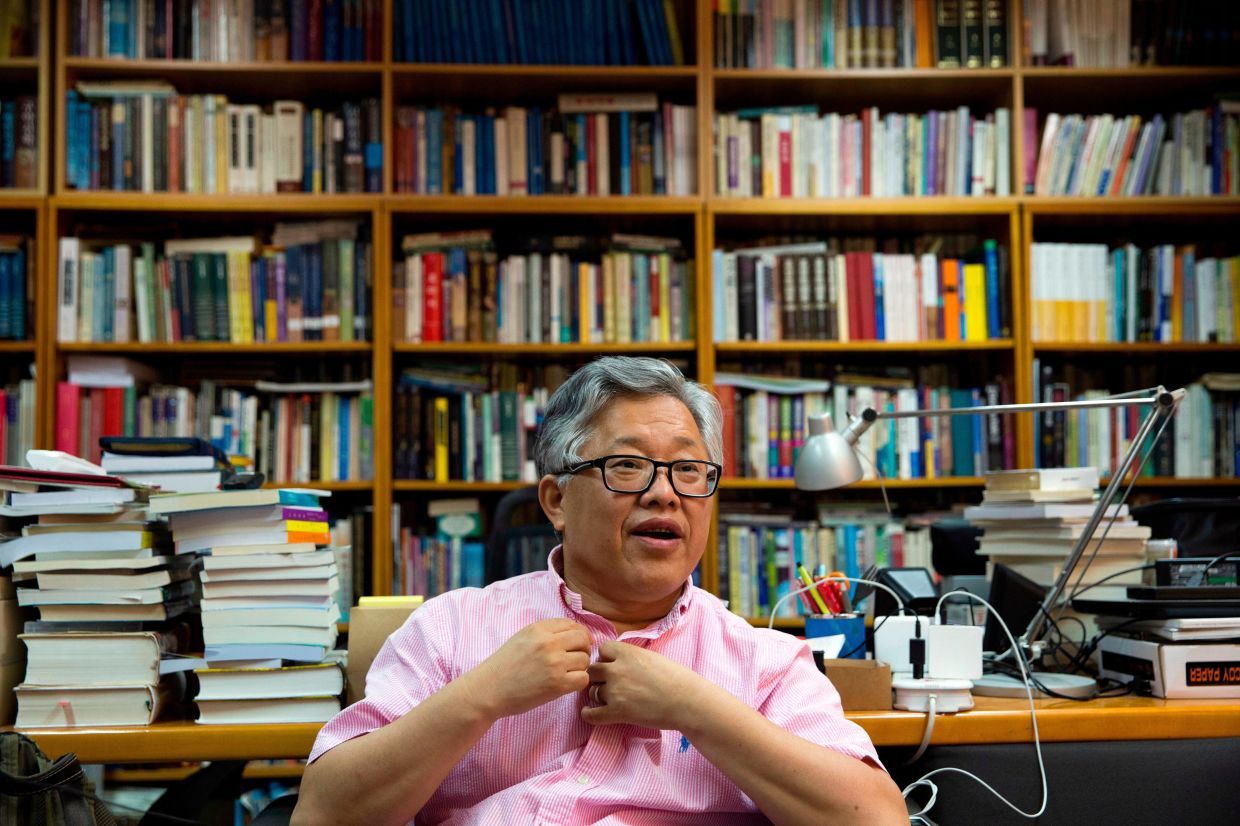
Beijing has freed Ezra Jin, the founder of Zion Church, one of China's largest unregistered religious congregations, after he spent nearly nine months in detention. His family and the church confirmed his release on Sunday, revealing that Jin, who also goes by his Chinese name Mingri, had travelled to Los Angeles following his discharge from Chinese custody. The move marks a rare concession by Beijing on a sensitive religious freedom issue, occurring amid broader US-China diplomatic engagement.
Zion Church operates as one of many underground Christian communities across China that congregants prefer to independent state control. Unlike officially sanctioned places of worship overseen by the government's Religious Affairs Bureau, these unregistered groups maintain autonomous leadership and worship practices. Jin established Zion Church in Beijing in 2007, building it into a substantial spiritual movement before authorities forced its closure in 2018. Despite this physical shutdown, the church's digital infrastructure expanded dramatically, particularly during the Covid-19 pandemic, eventually reaching followers across forty Chinese cities and accumulating approximately 1,500 members at its peak.
Jin's detention occurred on October 10 along with other church members, with authorities citing "suspicion of the illegal use of information networks" as the grounds for arrest. This charge commonly targets individuals who operate digital platforms deemed to circumvent state regulation. While Jin was released, eight other Zion Church members arrested in the same operation remain incarcerated, highlighting the selective nature of Beijing's decision and suggesting broader pressure campaigns continue against the congregation.
The pastor's freedom directly resulted from diplomatic discussions between the two superpowers. During a May visit to Beijing, US President Donald Trump explicitly raised Jin's case with Chinese President Xi Jinping and publicly stated that the Chinese leader would "strongly consider" releasing him. Chinese officials subsequently informed Jin that his liberation constituted "a goodwill gesture" tied to American Independence Day celebrations and directly attributed it to talks between Trump and Xi. This framing underscores how religious freedom issues have become entangled in broader geopolitical calculations between Washington and Beijing.
Jin's daughter Grace expressed gratitude for what she termed a "tremendous miracle," hoping the release signals improved conditions for people of faith throughout China and enhanced bilateral relations between the two nations. Her statement explicitly thanked Trump and his administration for their "tremendous leadership" on the matter. However, the release remains an isolated intervention rather than evidence of systemic change in Beijing's approach to unregistered religious groups.
The timing and circumstances of Jin's release must be understood within the context of Xi Jinping's increasingly restrictive religious policy. Since assuming office, Xi has substantially elevated government oversight of all religious practice, viewing organised faith communities—particularly those operating outside state channels—with deep institutional suspicion. The Chinese Communist Party has historically maintained tight control over religious expression, but recent years have witnessed intensified enforcement targeting specifically the unregistered sector.
Evidence of this hardening stance appears throughout recent months. In June, authorities raided an Early Rain Covenant Church service in Sichuan province's capital, detaining two senior leaders and following up on earlier arrests of other prominent church members in January. That same week, officials in Zhejiang province physically dismantled Yayang church, scaffolding the structure and removing its prominent cross—actions symbolising state determination to erase visible religious markers from the urban landscape. These concurrent operations demonstrate a coordinated campaign rather than isolated enforcement actions.
For Jin specifically, the personal cost of his commitment to unregistered ministry proved severe. After his family relocated abroad following the 2018 closure, Jin chose to return to China to maintain his pastoral work despite facing a government travel ban. This decision resulted in extended family separation, leaving him unable to see his two young sons and other relatives for more than seven years. The extended incarceration represented another layer of sacrifice, though his ultimate release provides some resolution to a prolonged ordeal.
The Zion Church case carries particular significance for Southeast Asian religious communities and diaspora networks. Many Chinese citizens throughout the region maintain spiritual connections to unregistered churches, with some congregations operating across multiple jurisdictions. The detention of Jin and the subsequent treatment of his church demonstrated Beijing's willingness to pursue individuals across borders and maintain pressure on transnational religious networks. Conversely, his release through diplomatic channels suggests that sustained international attention—particularly from major powers—can influence Beijing's calculations on sensitive religious matters.
Looking forward, Jin's liberation appears less indicative of fundamental policy shifts and more reflective of Trump administration priorities in managing bilateral relations. Religious freedom advocates note that while individual cases sometimes yield diplomatic victories, the broader systematic suppression of unregistered churches continues unabated. Eight of Jin's congregation members remain detained, and other underground communities face escalating harassment and legal challenges. The case thus illustrates both the possibilities and limitations of diplomatic intervention on human rights issues within China's political system.

