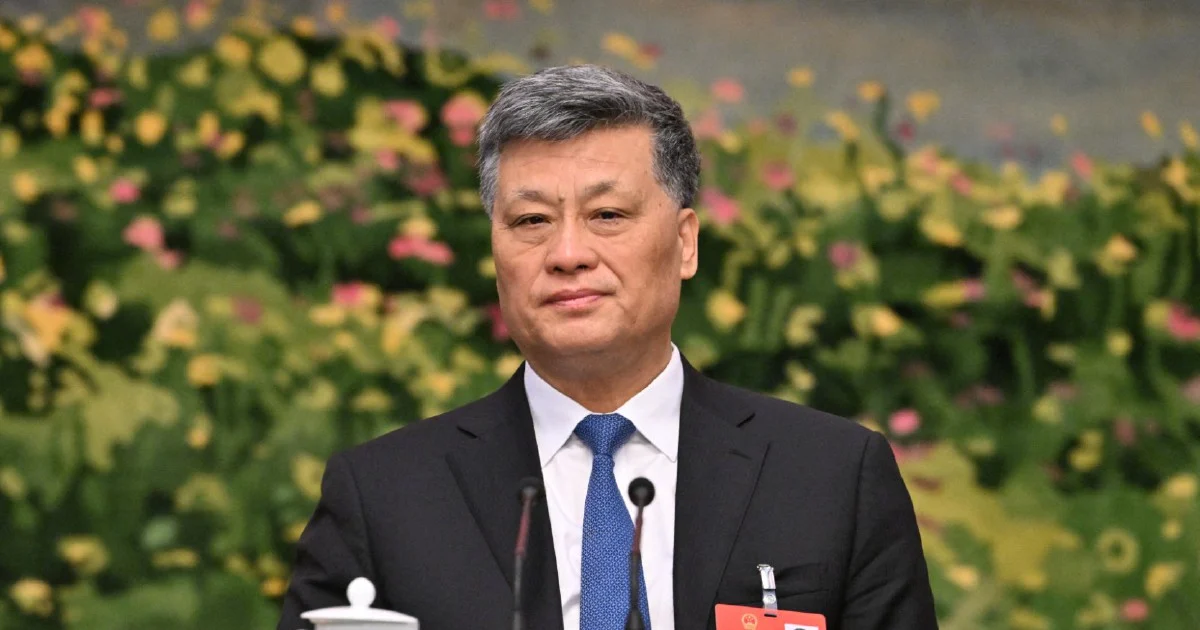
A senior former official who once wielded considerable influence across Xinjiang has been permanently removed from the Chinese Communist Party and divested of all government positions following investigations uncovering widespread corrupt behaviour. State media announced the decision on Tuesday, citing findings of systemic abuse of power including improper financial dealings, family favour and sexual misconduct.
The expulsion represents the latest development in China's ongoing anti-corruption campaign, which has targeted officials across multiple provinces and sectors. The scale of the allegations—ranging from embezzlement and bribery to nepotism in appointments and inappropriate personal conduct—illustrates the breadth of misconduct that Party investigators have uncovered. Such high-profile removals serve as periodic reminders of Beijing's commitment to disciplining errant cadres, though critics abroad often question whether such campaigns are selective and politically motivated.
Xinjiang's administrative structure has faced particular scrutiny in recent years, extending beyond corruption matters to international concerns over governance and human rights. The removal of a prominent former official from the region sends mixed signals about internal accountability mechanisms versus external pressure. For Malaysian observers, the case highlights how China manages internal Party discipline separately from how it addresses international criticism, a distinction often lost in Western media coverage.
The specific allegations against the dismissed official encompass multiple categories of wrongdoing that suggest either personal greed or systematic institutional failure—possibly both. Nepotism in appointments represents a particular concern in Chinese bureaucracy, where family connections and factional loyalty have historically influenced career advancement. That investigators formally documented such practices indicates a willingness at higher levels to pursue cases that challenge established power networks, though the selectivity of such prosecutions remains debatable.
Bribery charges underscore how access to state resources and decision-making power can be monetised through illicit channels. In Xinjiang's context, where substantial investment and development funds flow through government structures, opportunities for diversion and embezzlement may have been particularly acute. The fact that such conduct went undetected or unreported for what was likely an extended period raises questions about oversight mechanisms within regional administrations and how long officials can operate with relative impunity before facing consequences.
The misconduct allegations extending to sexual impropriety add a dimension of personal abuse of power that has become increasingly prominent in contemporary Chinese anti-corruption discourse. As awareness of such behaviour grows globally and within China itself, Party authorities appear more willing to include these matters in formal investigations and public censures. However, the relative transparency of such cases compared to earlier decades remains limited, with state media releasing only generalised descriptions rather than detailed investigative findings.
For Southeast Asian governments and observers, China's handling of internal corruption carries implications for regional business relationships and diplomatic engagement. Officials found culpable in large-scale graft may have been involved in cross-border trade, investment initiatives, or policy decisions affecting neighbouring countries. Understanding how Beijing addresses such misconduct provides insight into institutional reliability and governance standards that may affect regional cooperation frameworks.
The expulsion also reflects evolving standards within the Communist Party regarding acceptable conduct for senior cadres. What might have been overlooked or minimally penalised decades ago now results in permanent removal from Party ranks—a career death sentence in China's political system. This evolution, whether genuine or performative, signals that the threshold for acceptable official behaviour has shifted, though application remains inconsistent across regions and factions.
Xinjiang's prominence in China's broader strategic objectives, particularly regarding infrastructure development and integration with western regions, makes administrative competence there consequential. Corruption that diverts resources or undermines implementation of major initiatives carries costs beyond simple financial losses. Removing compromised officials and replacing them with those untainted by such allegations presumably aims to restore effective governance and public confidence in administration.
The case arrives amid broader international scrutiny of Xinjiang governance, making China's handling of internal corruption cases particularly sensitive. Beijing maintains that its disciplinary mechanisms function transparently and fairly, yet limited independent verification of investigation procedures or standards of evidence complicates external assessment. Malaysian readers should recognise that evaluating such claims requires distinguishing between verifiable institutional processes and propaganda narratives.
Looking forward, the expulsion illustrates how authoritarian systems manage internal accountability through Party mechanisms rather than independent judicial processes. Unlike in democracies where corruption cases proceed through courts subject to public scrutiny and appellate review, China's approach concentrates investigative and disciplinary power within Communist Party institutions. This centralised system enables swift action but simultaneously limits transparency and external oversight of investigative procedures.
For regional stakeholders, the broader significance lies in recognising that China's anti-corruption efforts, however selective or politically motivated they may be, do operate on some level to address egregious official misconduct. This reality complicates simple narratives portraying China as immune to institutional accountability. Simultaneously, the opacity surrounding such cases and the lack of meaningful procedural safeguards distinguishes Chinese anti-corruption from rule-of-law approaches elsewhere in the region.

