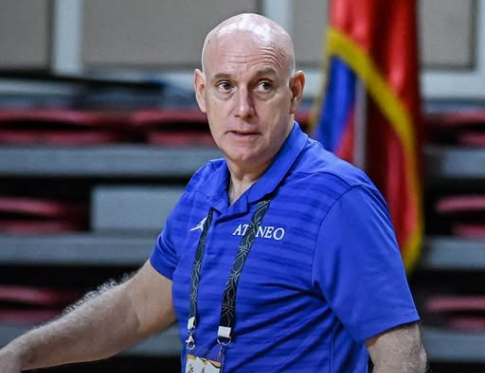
The Philippine National Police Criminal Investigation and Detection Group has recommended filing charges against former Ateneo de Manila University basketball coach Thomas Anthony 'Tab' Baldwin and ten other team personnel for violating the country's Anti-Hazing Act. The recommendation stems from the deaths of players Rene Baterbonia and Divine Adili, who drowned during a training activity in Dipaculao, Aurora on June 8. Both athletes lost their lives during what the team had billed as a routine team-building exercise, an incident that has reignited national debate about coach accountability and athlete safety in Philippine sports.
According to authorities, all eleven respondents present at the beach activity face potential charges under Republic Act No. 11053. Beyond Baldwin, those recommended for prosecution include strength and conditioning coaches Grant Dearns and Ceasar Vicent Javellana Elumba, assistant coaches Dean Caesar B. Castaño, Sandro Nicholas Romero Soriano, and Reynaldo Jacinto, student managers Paolo Manuel Maceda Adevoso and Andrew Lorenzo "Drew" Bondoc Salud, physical therapist John Eric Quiambao Rueca, and utility personnel Aris Ramos Pronce and Joel 'Boy' Palmiano Rapa. Legal authorities emphasised that the supervisory failure of those present constitutes a critical element of the case, noting that not a single team member questioned or attempted to halt the dangerous water activity.
The hazing investigation reveals a carefully orchestrated schedule that pushed athletes to their physical limits before exposing them to treacherous marine conditions. On the morning of the incident, all twenty athletes participating in the Aurora activity awoke before dawn at 4am and were ordered to complete a four-kilometre run. Investigators found that this opening exertion was merely a precursor to increasingly intense physical competitions, with mandatory punishments imposed on athletes who failed to perform adequately in the games that followed. The deliberate progression of physical demands set the stage for the water activity that would claim two lives.
Timing proved crucial in determining the severity of the supposed oversight. The seawater training commenced between 2pm and 2:30pm on June 8, a window that coincided precisely with the day's highest tide at 2:27pm. This convergence exposed the athletes to treacherous conditions characterised by powerful rip currents, strong waves, and unpredictable variations in seabed depth. The fact that authorities planned a beach activity during peak tidal conditions, particularly following hours of exhausting physical exertion, raises troubling questions about risk assessment and athlete welfare protocols within the programme.
Authorised definitions of hazing in Philippine law have expanded considerably beyond outdated conceptions limited to initiation ceremonies. The Anti-Hazing Act now encompasses "forced calisthenics and exposure to the weather," expanding the legal framework to capture training methodologies that inflict physical or psychological suffering through conditions unrelated to traditional intake rituals. Under this modern interpretation, the early morning running regimen, the compulsory punitive exercises, and the hazardous aquatic exposure collectively constitute prohibited hazing conduct, even though administrators may have framed the day as legitimate training rather than initiation activity.
The investigation uncovered a particularly damning detail regarding the activity's unstated purpose. Although officially designated a team-building and training event, the exercise functioned simultaneously as a selection mechanism to determine which athletes would ultimately secure roster spots for the University Athletics Association of the Philippines competition. Of the twenty team members present, only seventeen would be submitted for official registration, meaning three athletes faced an implicit performance test with significant consequences for their athletic futures. This dual-purpose structure potentially created pressures that discouraged athletes from withdrawing or voicing safety concerns, fearing exclusion from the final team roster.
The absence of weights found on the two victims' bodies when recovered contradicts suggestions that the athletes were engaged in unusual or unauthorised conduct at the time of their deaths. Investigators emphasised this finding as evidence that Baterbonia and Adili were simply participating in the mandated water activity as directed by their coaches, not attempting independent or dangerous exercises. The discovery underscores that the drowning resulted from the hazardous conditions created by the training programme itself, not individual athlete negligence or unauthorised risk-taking.
Baldwin previously issued a public apology through a nine-minute video released on the university's official social media channels, acknowledging responsibility for the deaths of the two young athletes under his supervision. However, the police investigation has shifted focus from individual expressions of remorse to institutional accountability and the systemic failures that permitted a dangerous activity to proceed without adequate safeguards. The involvement of multiple coaches, conditioning specialists, therapists, and administrative staff in the decision-making and execution of the Aurora activity suggests that dangerous practices may have reflected broader cultural attitudes toward athlete preparation within the programme.
The case carries significant implications for Southeast Asian sports organisations grappling with questions about coaching authority and athlete protection. As Philippine institutions and regional governing bodies examine their own training protocols, the Baldwin case demonstrates how training regimens ostensibly designed to develop athletic excellence can transition into practices that endanger the very athletes they purport to benefit. The recommendation of charges signals that Philippine authorities are taking seriously the principle that coach accountability must extend beyond sympathetic post-incident statements to genuine consequences for institutional negligence.
The Department of Justice will now evaluate the evidence compiled by the PNP CIDG and determine whether formal charges under the Anti-Hazing Act should proceed against the eleven respondents. This prosecutorial phase will examine whether the orchestrated sequence of physical demands culminating in exposure to dangerous marine conditions during peak tide constitutes a criminal violation of athlete protection laws. Beyond the immediate case, the investigation raises uncomfortable questions about what constitutes acceptable training methodology in Philippine basketball and whether existing safeguards within university athletic programmes adequately protect student-athletes from foreseeable harm.

