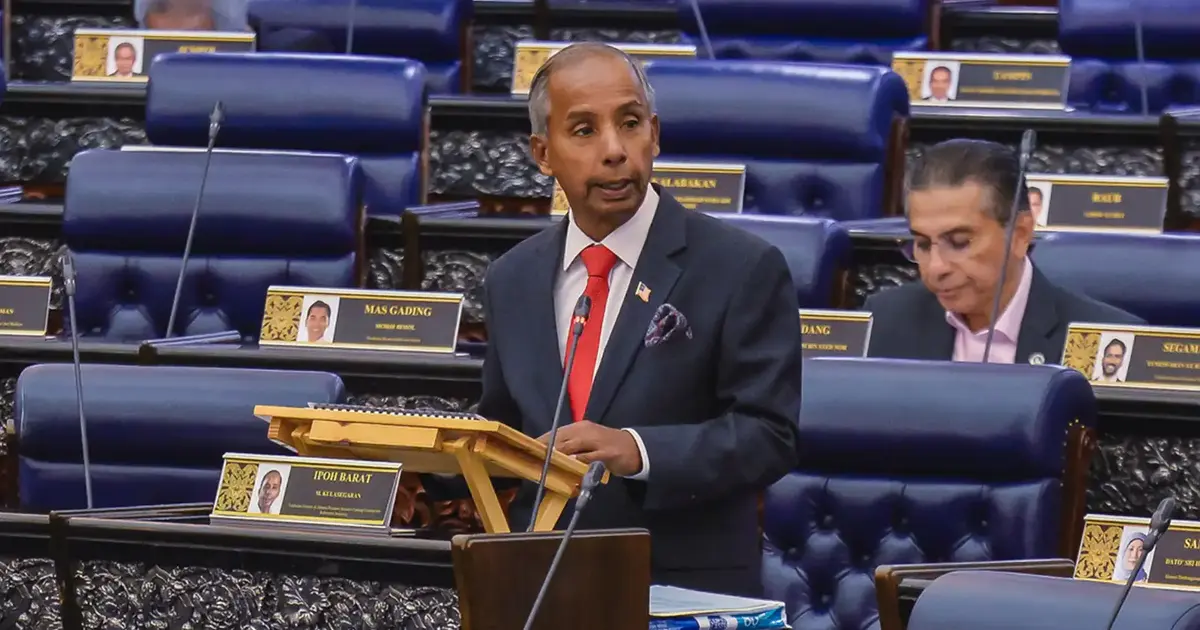
Parliament may gain access to closed-circuit television recordings of the disturbance at Taiping prison, according to the deputy law and institutional reform minister, though the disclosure hinges on formal Cabinet approval. The minister's cautious stance reflects the sensitive balance authorities must strike between maintaining legislative oversight and protecting ongoing legal proceedings related to the incident.
The potential release of security footage to lawmakers represents a significant step toward greater transparency regarding the circumstances surrounding the prison unrest. Such disclosures are typically handled with considerable restraint in Malaysia's criminal justice system, where concerns about prejudicing trials or compromising correctional facility security often weigh heavily on decision-making. The footage would provide elected representatives with direct visual evidence of events that have generated considerable public and political interest.
Cabinet endorsement functions as a necessary procedural gateway, reflecting established protocols for handling sensitive security documentation. This requirement ensures that institutional considerations—spanning court proceedings, prisoner safety, staff security, and operational integrity—receive adequate deliberation before materials are circulated among the broader parliamentary body. The institutional reform ministry's involvement underscores the gravity with which the government approaches prison administration matters and potential systemic vulnerabilities exposed by the incident.
The court cases referenced by the minister constitute a primary impediment to immediate footage release. Ongoing litigation involving individuals or entities connected to the disturbance means that premature disclosure could potentially influence judicial proceedings, expose evidence prematurely, or create legal complications. Malaysian courts jealously guard their independence, and prosecutors require protection from interference that might compromise their ability to present cases effectively. This consideration particularly affects criminal trials where evidence integrity remains paramount.
For Malaysian parliamentarians seeking oversight of correctional system management, access to the footage would represent an invaluable investigative resource. Such visibility into actual events enables MPs to scrutinize prison administration practices, staff conduct, security protocols, and institutional responsiveness during crisis situations. This supervisory function proves especially important in Malaysia, where prison conditions and management practices have periodically attracted criticism from human rights organizations and civil society groups concerned about standards and accountability.
The Taiping prison incident itself reflected broader tensions within Malaysia's correctional system. Prison disturbances, whether stemming from overcrowding, inadequate conditions, interpersonal conflicts among inmates, or grievances against administration, signal systemic stress points requiring investigation and remediation. Parliamentary access to documentary evidence would equip lawmakers with information necessary to formulate informed questions during budget debates, committee sessions, and general parliamentary discourse regarding prison governance and reform initiatives.
The deputy minister's conditional positioning also acknowledges institutional complexities that frequently elude public perception. Prisons necessarily maintain heightened security consciousness, as unauthorized circulation of facility layouts, security measures, or operational procedures could compromise safety or enable future security breaches. Recording footage itself constitutes sensitive institutional intelligence, requiring carefully managed dissemination even among trusted recipients within government. The Cabinet approval mechanism provides a controlled filter ensuring that disclosure decisions incorporate these multifaceted security considerations.
Secondary implications extend beyond the immediate incident. Establishing clearer precedents regarding parliamentary access to security recordings within correctional facilities could influence future transparency practices across Malaysia's prison system. Setting reasonable standards that balance legislative oversight against legitimate security and judicial concerns might create frameworks governing comparable situations. Such institutional clarification benefits long-term governance, providing clarity for future administrators and policymakers navigating similar decisions.
The situation also reflects evolving expectations regarding government transparency and accountability in contemporary Malaysia. Citizens increasingly expect their elected representatives to possess sufficient information for meaningful oversight, while simultaneously recognizing that certain institutional functions require discretionary protection. Finding equilibrium between these competing imperatives remains ongoing work for Malaysian governance structures. The deputy minister's measured response suggests authorities recognize both the legitimate parliamentary interest and the genuine constraints involved.
If Cabinet approval ultimately proceeds and footage access is granted, such a decision could establish useful precedent for future parliamentary oversight of specialized institutions. Demonstrating capacity to share sensitive materials responsibly while protecting legitimate security and judicial interests builds institutional confidence and strengthens democratic accountability mechanisms. Conversely, continued withholding might fuel parliamentary frustration and public suspicion regarding institutional transparency. The Cabinet's forthcoming determination will likely influence both specific accountability regarding the Taiping incident and broader institutional norms governing prison governance transparency in Malaysia.

