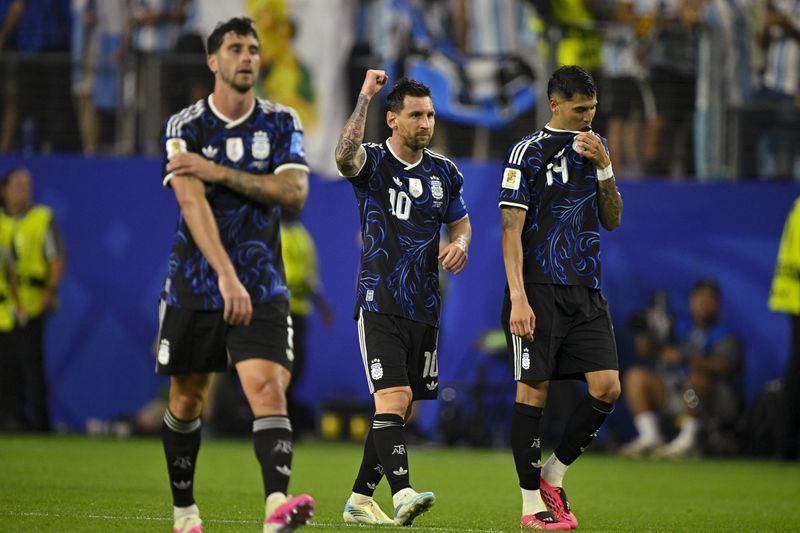
Cape Verde's footballing journey to the World Cup knockout stage represents one of sport's most compelling underdog narratives, and their coach Bubista is determined to extend the fairy tale by toppling Argentina in Friday's last-16 encounter. The African nation, sitting 67th in the FIFA rankings when the tournament began, has already defied expectations by progressing from their group with an impressive record of draws against Spain, Uruguay, and Saudi Arabia. Now they face perhaps their most daunting assignment yet: the reigning world champions and tournament favourites led by Lionel Messi.
Bubista's message to his squad remains unwavering. Speaking to reporters at Miami Stadium on Thursday, the former centre-back reiterated that Cape Verde would not shy away from their attacking instincts or abandon the tactical principles that have served them well thus far. The coach emphasised that qualification itself validated their approach, suggesting that their presence at this elite level was no accident but rather the product of merit earned through rigorous qualification campaigns. This self-belief has become the defining characteristic of his tenure, and it appears to have instilled genuine confidence throughout the squad.
The Cape Verdean coach's perspective on his team's achievement warrants deeper examination for Southeast Asian observers. In a tournament often dominated by traditional powerhouses and wealthy nations with vastly superior resources, Cape Verde's progression demonstrates that organisation, collective discipline, and tactical coherence can neutralise financial and infrastructural advantages. This lesson carries particular significance for smaller football federations across the region seeking to compete at international level.
Respect for Argentina's pedigree is evident in Bubista's public statements, yet he deliberately avoids adopting a defeatist posture. He acknowledged the quality of Argentina's management under Lionel Scaloni and naturally the presence of Messi, widely regarded as one of football's greatest players. However, Bubista framed this recognition not as capitulation but as motivation. He argued that Cape Verde has earned their place through demonstrated performance, both in qualification and across their three group matches, and therefore deserved consideration as legitimate competitors rather than ceremonial opponents.
The coaching staff's decision to eschew specific tactical instructions aimed solely at containing Messi reveals strategic sophistication. Rather than designing their entire game plan around neutralising one individual, Bubista opted to focus on Argentina's collective threat. This approach reflects a mature understanding that fixating on any single player, however transcendent their abilities, inevitably creates vulnerabilities elsewhere. By maintaining their own tactical identity and asking Argentina difficult questions across the pitch, Cape Verde hoped to create opportunities regardless of Messi's influence on the game.
Cape Verde's qualifying campaign provides essential context for understanding their current position. To reach this stage, they navigated a gruelling African qualification process against nations with larger populations, greater wealth, and established World Cup experience. Their success in that environment should have commanded more international respect, yet Bubista noted that some observers remained sceptical of their credentials. He brushed aside such dismissals, suggesting that Cape Verde's own conviction in their methods mattered far more than external validation from critics.
The psychological dimension of this encounter cannot be overstated. By having already drawn against three accomplished opponents, Cape Verde had demonstrated that they could withstand sustained pressure from elite teams. These results, while not victories, sent a powerful message: the Africans would not be overwhelmed, intimidated, or mechanically dismantled. They possessed the organisational capacity and emotional resilience to remain competitive throughout ninety minutes. Against Argentina, this mental fortitude would prove crucial.
Bubista's emphasis on playing with humility, organisation, and courage outlined a clear value system for his players. Humility acknowledged Argentina's superior ranking and achievements whilst organisation reflected tactical discipline, and courage encompassed the willingness to pursue victory despite the odds. This balance represented neither arrogance nor excessive caution, but rather pragmatic ambition calibrated to realistic circumstances. The coach was asking his team to respect opponents whilst refusing to be inhibited by historical hierarchies.
For Malaysian and broader Southeast Asian football communities, Cape Verde's tournament narrative offers instructive lessons about institutional building and long-term strategic planning. The African nation had committed to developing their football infrastructure and coaching expertise over years, not expecting overnight transformation. This patient approach contrasted sharply with programmes that alternated between complacency and panic depending on immediate results. Bubista's consistency in messaging and tactical approach, even when facing scepticism, demonstrated the value of sustained conviction in a football philosophy.
The knockout match against Argentina represented a genuine test of Cape Verde's ability to translate promising group-stage performances into tangible advancement. Whilst progression remained an ambitious objective given their ranking and resources, the team had already legitimised their participation by competing respectably against stronger opponents. Whether they could execute their game plan against the world's top-ranked team would ultimately determine their World Cup fate, but their campaign had already succeeded in recalibrating perceptions of what smaller nations could achieve at the tournament's highest level.

