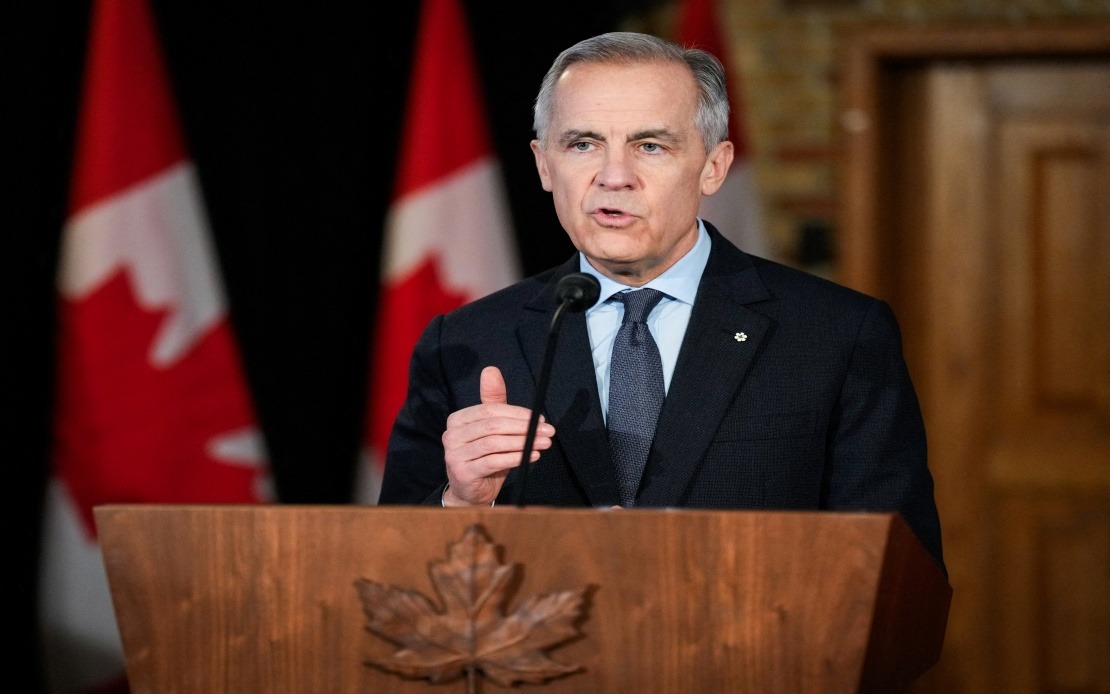
Canada has pulled back from trade negotiations with the United States in a dramatic escalation of tensions between the two nations, with Prime Minister Mark Carney announcing the suspension on Friday evening. The decision marks a sharp reversal from earlier optimism, when both countries had suggested they were edging toward resolution. The breakdown occurs as a midnight deadline approaches for the implementation of a 50 per cent tariff on approximately CAD$30 billion (US$22 billion) worth of Canadian merchandise.
Carney's statement, delivered in Istanbul, articulated Ottawa's frustration with the trajectory of discussions. The Canadian government had invested considerable diplomatic effort in pursuing what it characterized as an arrangement that would grant Canadian enterprises and workers improved market access and greater stability in their trading relationship with the United States. Officials in Ottawa had framed the negotiations as an opportunity to secure the most advantageous terms possible for Canada's position within the broader North American trading framework.
The Prime Minister acknowledged that negotiating teams had achieved measurable headway in strengthening Canada's negotiating position relative to the existing arrangements with Washington. However, he emphasized that these incremental gains fell short of the benchmarks required to satisfy Canadian economic and employment objectives. This calculation appears to have driven the decision to terminate active negotiations and recall Canadian representatives to the capital.
A central grievance highlighted by Carney concerned the timing and substance of American proposals tabled during the final stages of discussion. According to the Prime Minister, the United States introduced substantial modifications to previously agreed terms at the eleventh hour, fundamentally altering the character of the putative agreement. Carney characterized these late revisions as inequitable and economically unsound, while suggesting they raised troubling questions about the durability and reliability of any accord reached under such circumstances.
The Canadian government has committed to implementing retaliatory tariffs of equivalent magnitude should the American duties take effect. Carney indicated that Canada would impose corresponding levies on CAD$28 billion of American goods, framing this response as a necessary protective measure for Canadian workers and enterprises. This tit-for-tat approach signals Ottawa's determination to shield its domestic economy from what it perceives as unfair American trade practices.
For Southeast Asian observers, this dispute carries significant implications. Regional economies dependent on North American trade face potential disruption if the tariff standoff escalates into a prolonged trade war. Supply chain complexity means that tariffs imposed between Canada and the US often have ripple effects across global commerce, affecting companies from Malaysia to Vietnam that source materials or finished goods from North American suppliers. The breakdown in negotiations also signals broader fragility in trade relationships, a concern that resonates throughout a region increasingly wary of protectionist trends.
The negotiations had resumed on Friday morning amid expectations that a resolution could be achieved before the tariff deadline. Prior to Carney's announcement, expectations had been relatively buoyant, with US President Donald Trump having stated on Wednesday that a "very fair" agreement had been reached. This optimistic assessment appears to have been overtaken by events, suggesting that gaps between American and Canadian negotiating positions may have been substantially wider than publicly acknowledged.
The Canadian negotiating team had reportedly worked diligently and earnestly in advancing their country's interests throughout the discussion process, persisting in these efforts until the final moments before the deadline. Despite this commitment to good-faith engagement, Carney's comments suggest that American negotiators introduced new demands or modifications that fundamentally undermined the basis for agreement that had been laboriously constructed over preceding weeks.
The suspension of talks creates considerable uncertainty regarding the immediate economic outlook for both nations. Canadian exporters face the prospect of substantially higher costs when shipping goods to American markets, while American suppliers similarly confront elevated tariffs on merchandise destined for Canada. Businesses on both sides of the border have expressed concern about the economic consequences of prolonged tariff disputes, particularly for integrated supply chains in automotive, agriculture, and technology sectors.
For Malaysia and other Asian trading nations, the deterioration in Canada-US relations underscores the vulnerability of the global trading system to bilateral disputes. Many Southeast Asian economies have been working to diversify their trade partnerships, partly in response to escalating trade tensions among major developed economies. The Canadian suspension of negotiations demonstrates that even close trading partners with deep historical ties can find themselves at loggerheads when negotiating positions prove incompatible.
The political stakes for both governments remain substantial. Carney's decision reflects domestic political pressures to avoid perceived concessions that could harm Canadian workers and businesses. The Trump administration, meanwhile, appears committed to pursuing trade agreements that it characterizes as delivering better terms for American economic interests. Reconciling these competing objectives will require substantial movement from both sides if negotiations are to resume constructively.
Looking forward, the question of whether these talks can be revived depends on both capitals' willingness to return to the negotiating table with modified expectations. International trade precedent suggests that even significant breakdowns can eventually be overcome through sustained diplomatic engagement, though the window for reaching agreement before tariffs take effect has now dramatically narrowed. For Malaysian policymakers and business leaders monitoring trade developments, this impasse reinforces the importance of building resilient supply chain relationships and exploring alternative markets in response to shifting international trade dynamics.

