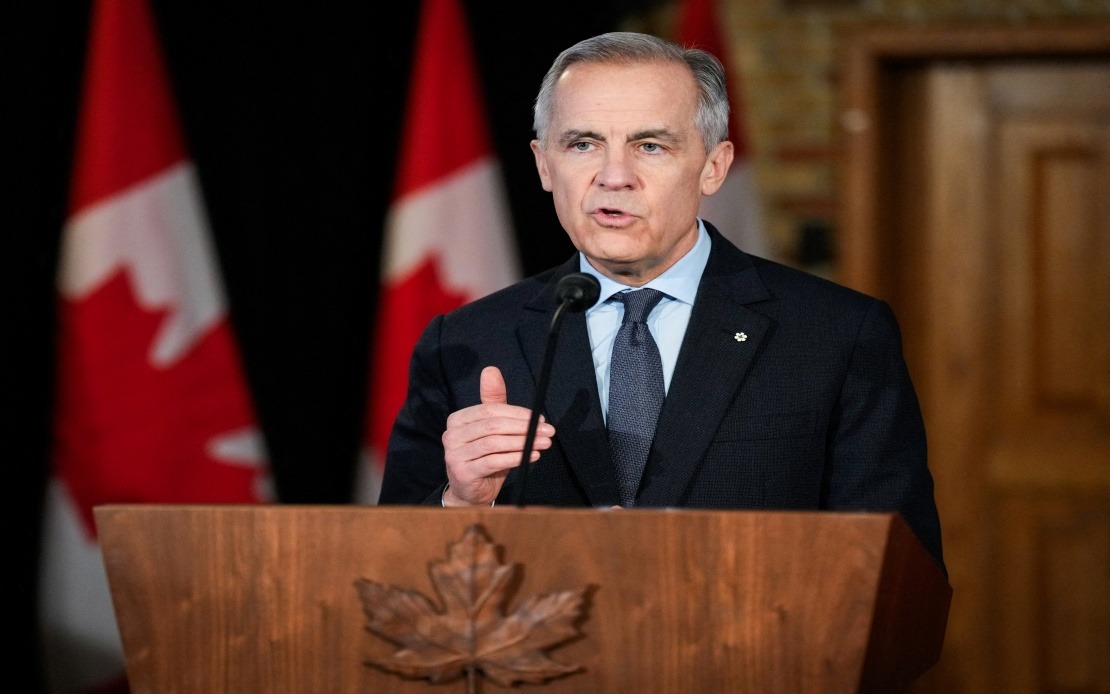
Canadian Prime Minister Mark Carney has announced a temporary pause in escalating tariffs from the United States, though the reprieve carries a tight deadline that underscores the urgency of ongoing trade negotiations. The suspension of a threatened 50 per cent tariff on Canadian goods will remain in effect only until the end of business on August 21, according to Carney's statement released on August 19. This compressed timeline reflects the volatile nature of current trade relations between Washington and Ottawa and the increasingly brinkmanship-driven approach to resolving bilateral commercial disputes.
The pause follows an overnight announcement by US President Donald Trump that he had agreed to delay the imposition of the substantial tariffs to allow both nations time to complete a comprehensive trade deal. The announcement came as negotiations between the two countries had reached a critical juncture, with officials on both sides acknowledging fundamental disagreements on several key issues. Rather than immediately implementing the punitive measures threatened earlier in the week, the American administration opted for a tactical pause, signalling willingness to negotiate while maintaining maximum pressure on Canadian negotiators.
Carney's statement acknowledged that negotiations have yielded what both sides characterise as significant progress, yet he was candid about the substantial work remaining before any final agreement could be reached. The Canadian prime minister noted that Ottawa and Washington have achieved meaningful movement on several fronts during recent discussions, but several contentious issues require resolution before a deal can be finalised and formally announced. This careful framing suggests that while negotiators have identified common ground on certain provisions, fundamental disagreements persist on other elements central to a broader trade framework.
The extremely compressed timeline—less than three days from the announcement to the deadline—reflects the high-stakes nature of trade negotiations in the current geopolitical environment. By setting such a tight deadline, Trump's administration has effectively issued an ultimatum: either Canada agrees to terms acceptable to Washington within seventy-two hours, or the 50 per cent tariffs on a range of Canadian goods will take effect. This strategy places immense pressure on Canadian negotiators and government officials to make rapid decisions on issues that would normally warrant careful deliberation and broader consultation with affected industries and stakeholders.
For Malaysia and other Southeast Asian economies, the Canada-United States trade dispute carries indirect but significant implications. Canada ranks among the world's largest exporters of commodities including energy and minerals, and any disruption to North American trade patterns inevitably affects supply chains and pricing structures that extend across the Pacific. Additionally, the broader erosion of multilateral trade frameworks in favour of bilateral negotiations and tariff-based brinkmanship establishes precedents that could be applied to other trading relationships, including those involving Asian nations.
Canada's economy is substantially integrated with the United States through the regional supply chains, particularly in automotive manufacturing, energy, and agriculture. A 50 per cent tariff on a broad range of Canadian goods would not merely be a trade irritant but would represent a severe shock to the continental economy, affecting both countries' manufacturing sectors and consumers. This reality concentrates Canadian minds on reaching an agreement, even if the terms might be less favourable than Ottawa would prefer under circumstances allowing more extended negotiations.
The Carney government has simultaneously signalled that protecting Canadian economic independence and competitiveness remains central to its negotiating position. Despite acknowledging the pressure of the approaching deadline, Ottawa has indicated it will not simply capitulate to American demands if doing so would compromise long-term Canadian interests. This balancing act—negotiating urgently while maintaining principled positions—represents the genuine challenge confronting Canadian policymakers during this window before August 21.
Industry observers expect the final days before the deadline will witness intensified negotiations involving senior officials from both governments, with particular focus on the most contentious issues. Given the complexity of modern trade relationships, resolving outstanding disagreements in such a compressed timeframe requires not only political will but also streamlined decision-making processes that can rapidly address technical details, legal formulations, and implementation mechanisms.
The August 21 deadline also creates uncertainty for Canadian businesses and consumers contemplating whether to adjust purchasing decisions or supply chain arrangements in anticipation of tariffs. Companies must decide whether to accelerate imports before potential tariffs take effect or whether tariffs represent a permanent change requiring structural adjustments. This uncertainty itself imposes economic costs, as businesses cannot make long-term investment and employment decisions when facing such fundamental ambiguity about the trade environment.
The broader context for these negotiations involves questions about the architecture of North American trade relations more generally. The previous regulatory framework governing trade among the United States, Canada, and Mexico—now superseded by the United States-Mexico-Canada Agreement—already represents a negotiated framework intended to provide stability and predictability for commercial relationships. The current conflict suggests that even institutionalised trade arrangements cannot insulate bilateral relationships from sudden political pressures or executive decisions to employ tariffs as negotiating tools.
Canadian officials have publicly maintained calm and professional engagement with American counterparts, avoiding inflammatory rhetoric that might provoke Trump to follow through on tariff threats. This measured approach contrasts with the more combative posture that might appeal to domestic political constituencies but could prove counterproductive when negotiating under time pressure with an American administration accustomed to dramatic negotiating tactics and prepared to follow through on threats.
As the August 21 deadline approaches, the international trading community will closely monitor whether the pause results in a comprehensive agreement or whether the threatened tariffs take effect, with potential ramifications extending well beyond North America. The outcome will provide important signals about the trajectory of global trade relations and the utility of tariffs as negotiating instruments during an era of heightened economic nationalism and bilateral rather than multilateral trade engagement.

