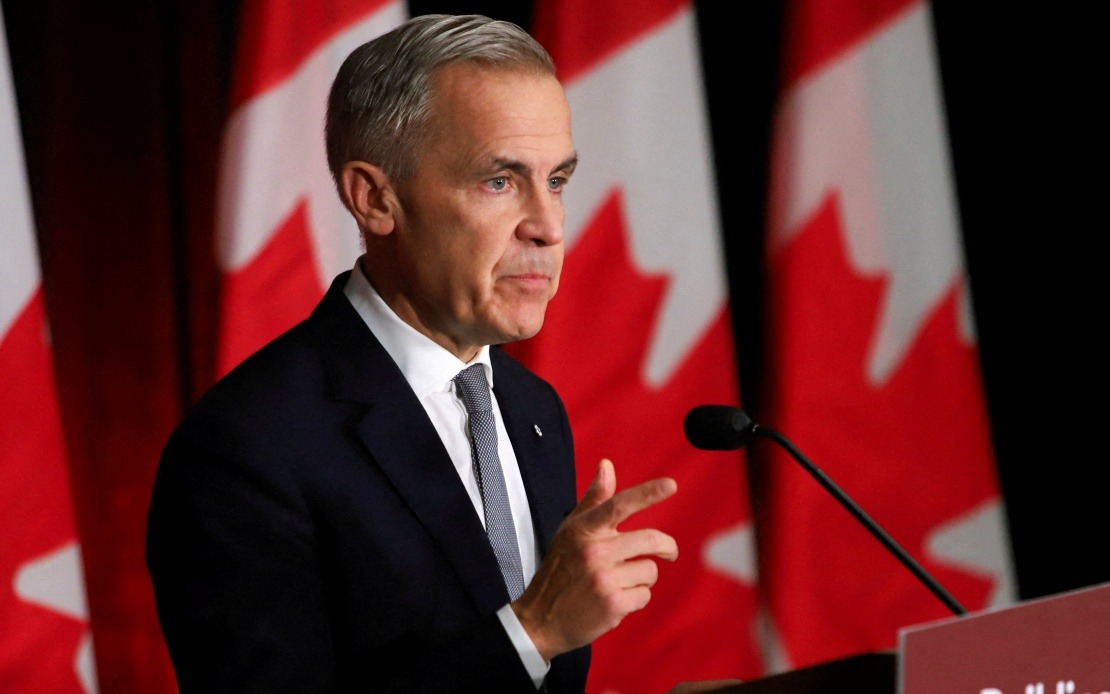
Canadian Prime Minister Mark Carney announced on Tuesday that he had held discussions with US President Donald Trump, with both leaders committing to accelerate trade negotiations over the coming weeks. The move comes amid mounting tensions over Washington's latest protectionist measures, which threaten to disrupt the continental trade relationship that underpins North American commerce and supply chains critical to the region's economic stability.
Carney stated that his administration remained prepared to explore every available option in response to the proposed tariffs should they proceed as scheduled. This cautious language reflects the delicate diplomatic balancing act required when dealing with trade disputes involving the United States, Canada's largest trading partner and neighbour. The willingness to pursue intensified negotiations suggests both countries recognise the potentially severe economic consequences of a full-blown trade war, particularly for integrated sectors like automotive manufacturing.
The underlying dispute stems from Trump's decision on Monday to sign three proclamations imposing an additional 50 per cent ad valorem tariff on specific Canadian exports. The US administration justified this action by alleging that Canada had engaged in discriminatory practices against American commerce. However, this characterisation has been contested by Ottawa, which views the tariffs as unilateral protectionist measures that contravene the trilateral Canada-United States-Mexico Agreement governing continental trade.
The tariffs are scheduled to take effect on August 19 and will apply to dairy products, alcoholic beverages, motor vehicles, and related goods. This targeting of sectors spanning agriculture, manufacturing, and consumer goods demonstrates the breadth of the administration's protectionist agenda. Notably, energy products, potash, fish, and critical minerals have been exempted from the tariff regime, suggesting that the US administration has made strategic calculations about which sectors warrant immediate pressure and which merit different negotiating approaches.
For Malaysian and Southeast Asian observers, this Canada-US trade friction carries significant implications. North American tariff wars tend to have ripple effects throughout global supply chains, particularly in sectors where Asian manufacturers supply components or intermediate goods to North American producers. The automotive sector is especially vulnerable, given the intricate cross-border production networks that now characterise vehicle manufacturing across the continent.
Carney's invocation of the Canada-United States-Mexico Agreement highlights the legal framework that has supposedly governed trade relations since 1994. By characterising the new tariffs as violations of this agreement, Ottawa is establishing a narrative that positions the United States as the aggressor in a rule-based trading system. This framing matters not only for domestic Canadian politics but also for international perceptions of American commitment to contractual trade obligations.
The timing of these tariffs reflects broader patterns within the Trump administration's approach to trade policy, which emphasises bilateral leverage and nationalist economic priorities over multilateral frameworks. The challenge facing Canadian negotiators involves finding sufficient common ground during intensified talks to convince Washington to withdraw or substantially reduce the tariffs before implementation. Success likely requires demonstrating that Canadian policies do not discriminate against American businesses or offering concessions in sectors where the US administration has identified grievances.
The agricultural sector faces particular vulnerability, as Canadian dairy products represent significant trade flows across the border. Any sustained tariff regime would likely trigger retaliatory measures from Ottawa, potentially affecting American agricultural exports that depend on Canadian market access. This creates mutual incentives for negotiated settlement, though disagreement over what constitutes fair treatment under existing agreements remains fundamental.
For regional players in Southeast Asia, the lesson extends beyond immediate bilateral trade concerns. The apparent fragility of previously negotiated trade agreements when political circumstances shift underscores the importance of building robust, mutually beneficial trading relationships that survive changes in administration and political priorities. The Canada-United States case demonstrates that formal agreements alone may not provide sufficient insulation against unilateral actions by larger economic powers.
The coming weeks will prove critical in determining whether intensified negotiations produce meaningful progress or merely postpone inevitable confrontation. Both sides appear committed to dialogue, at least rhetorically, suggesting that the space for diplomatic resolution has not yet closed entirely. However, the fundamental disagreement over whether Canadian policies constitute unfair discrimination will require substantive movement from one or both parties to resolve satisfactorily.
The broader context involves questions about the future architecture of North American trade relations and whether the existing framework can accommodate the current administration's demands for bilateral advantage. If negotiations fail and tariffs take effect as scheduled, the consequences would extend well beyond Canada-US commerce, affecting integrated production networks and consumer prices across the continent while sending signals about the durability of trade commitments in an era of nationalist economic policies.

