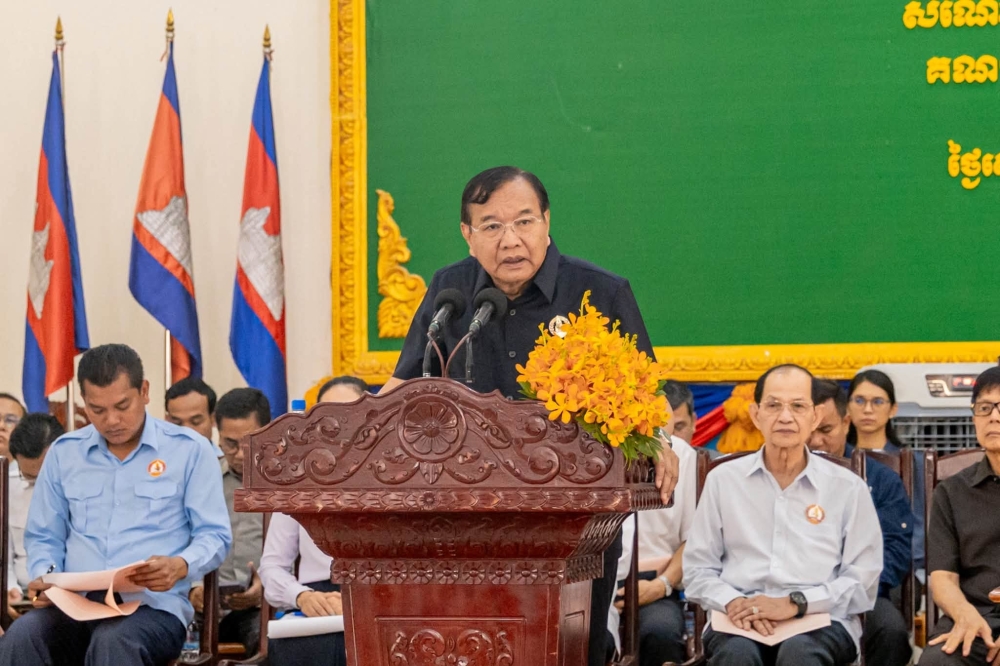
Cambodian Deputy Prime Minister and Foreign Affairs Minister Prak Sokhonn touched down in Malaysia on August 3 for a two-day official visit, marking another significant step in the strengthening diplomatic ties between the two ASEAN neighbours. The high-level visit, which commenced in Sepang, reflects the ongoing commitment both nations have made towards enhancing bilateral relationships across multiple sectors.
Prak Sokhonn's visit carries considerable weight within the broader context of Southeast Asian diplomacy, where Cambodia and Malaysia share numerous common interests and regional challenges. As one of ASEAN's most active diplomatic voices, Cambodia has increasingly positioned itself as a bridge between member states, and the presence of its top foreign affairs official in Malaysia signals the priority both governments place on this bilateral relationship. Such visits traditionally serve as platforms for discussing trade partnerships, security cooperation, and cultural exchanges that benefit both populations.
The timing of this diplomatic mission occurs amid a period of heightened regional engagement, with ASEAN nations navigating complex geopolitical dynamics in the Indo-Pacific. Malaysia, as a significant player in regional affairs and a key economic hub, provides an important venue for Cambodia to reinforce its commitment to multilateral cooperation and bilateral understanding. The visit demonstrates how senior officials at ministerial level continue to drive forward the implementation of bilateral agreements and explore new avenues for collaboration.
During such official visits, delegations typically hold extensive talks covering economic cooperation, trade promotion, and investment opportunities. For Malaysia, engaging with Cambodia's foreign affairs minister presents opportunities to explore deeper ties in the manufacturing sector, tourism, and financial services—areas where both nations have comparative advantages. Cambodia's growing economy and strategic location along major trade routes make it an increasingly important partner for Malaysian businesses seeking regional expansion.
The diplomatic engagement also underscores the importance both nations place on regional stability and the rules-based international order. As ASEAN members, Cambodia and Malaysia share responsibility for maintaining peace and prosperity in the region, working through consensus-based mechanisms that characterise the bloc's decision-making processes. Prak Sokhonn's presence in Malaysia provides an opportunity to align positions on critical regional matters and coordinate efforts on shared priorities within ASEAN frameworks.
Cultural and educational exchanges frequently feature prominently in bilateral visits of this nature. Both nations have significant diaspora populations and long-standing people-to-people connections that extend back generations. Ministerial visits often catalyse discussions about student exchange programmes, cultural festivals, and tourism initiatives that strengthen mutual understanding and create lasting bonds between societies beyond government-to-government relationships.
For Malaysian readers, this visit carries particular relevance given the significant Cambodian community within Malaysia and the established business networks linking entrepreneurs from both nations. The presence of Cambodia's top foreign affairs official demonstrates recognition of Malaysia's role as a key regional partner and economic powerhouse. Enhanced bilateral cooperation can translate into practical benefits for Malaysian firms seeking to establish operations in Cambodia, as well as opportunities for Cambodian investors eyeing the Malaysian market.
The two-day format of the visit allows for comprehensive discussions encompassing multiple policy areas. Beyond formal diplomatic talks, such visits typically include courtesy calls with Malaysian government officials, roundtable discussions with business chambers, and potentially media engagements that help shape public understanding of bilateral relations. These structured interactions provide frameworks for identifying concrete projects and initiatives that can deliver tangible outcomes for both nations' populations.
Regionally, Cambodia's diplomatic activism has intensified, particularly regarding ASEAN's external engagement and responses to transnational challenges ranging from climate change to maritime security. Malaysia, with its extensive experience in multilateral diplomacy and regional integration, offers valuable perspectives that can inform Cambodia's foreign policy approaches. Conversely, Cambodia's experiences and viewpoints contribute to Malaysia's understanding of developments affecting other ASEAN members and broader Southeast Asian dynamics.
Bilateral visits at ministerial level serve as barometers of relationship health and indicators of where governments wish to direct future engagement. The fact that Cambodia has dispatched its Foreign Affairs Minister to Malaysia—rather than a lower-ranking delegation—suggests both governments view their relationship as sufficiently mature and important to warrant sustained high-level attention. This contrasts with relationships that may be experiencing friction or reduced priority, where such visits might be delayed or conducted at more junior levels.
Looking forward, outcomes from this visit may include joint statements outlining shared commitments, announcements of new cooperative initiatives, or agreements to intensify existing collaboration frameworks. Malaysian media coverage and official statements following the visit will likely emphasise areas of alignment and shared interests, contributing to the broader narrative of ASEAN cohesion and regional prosperity through enhanced intra-bloc cooperation.

