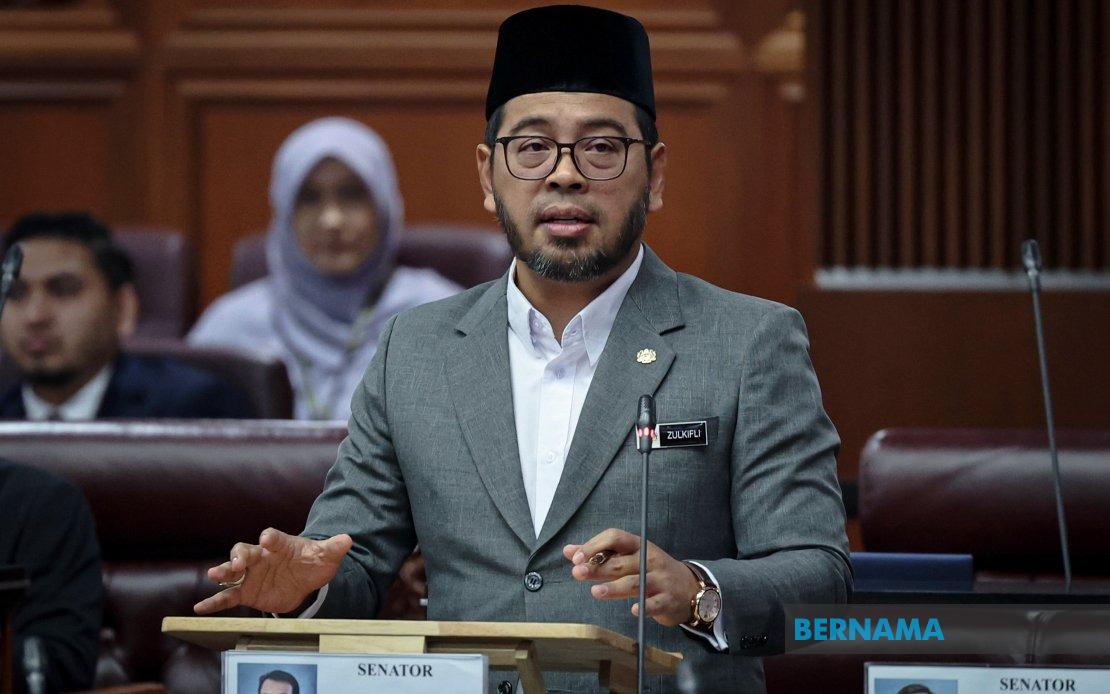
The Malaysian Cabinet is set to examine a proposal to publicly release the Royal Commission of Inquiry report on Tabung Haji, Religious Affairs Minister Dr Zulkifli Hasan announced on July 22, as the government seeks to address persistent confusion surrounding the institution's controversial asset transactions. The announcement comes amid lingering allegations that a former Treasury secretary-general improperly disposed of the fund's strategic holdings, a claim Zulkifli categorically denied.
Zulkifli's statement represents an attempt to reset the narrative around one of Malaysia's most sensitive financial interventions in recent years. The pilgrimage fund, which manages deposits from millions of Muslim Malaysians saving for the hajj, has long been viewed as beyond reproach in public discourse. The prospect of releasing the RCI findings could help restore confidence in the institution by allowing independent scrutiny of the circumstances that led to the controversial rescue operation.
The minister firmly rejected suggestions that assets were improperly sold, reframing what happened as a necessary bailout to preserve a financial institution serving Muslims. He characterised the transaction as a remedial operation responding to earlier misappropriation of depositor funds that occurred before 2018, suggesting the previous administration's mismanagement had created the crisis requiring intervention. This distinction between malfeasance and rescue is critical to understanding how the government wants the public to interpret events.
According to Zulkifli's explanation, the 2018 transfer of underperforming and problematic assets to the government-owned special purpose vehicle Urusharta Jamaah Sdn Bhd represented a Cabinet-approved collective decision rather than an individual official's unilateral action. This framing emphasises institutional responsibility and democratic process, though it simultaneously raises questions about why such a significant operation required a special purpose vehicle rather than direct government management.
The financial crisis that necessitated intervention was genuinely severe. Bank Negara Malaysia and the Auditor-General had documented that Tabung Haji faced an asset-liability deficit of RM10.9 billion in 2018, an alarming shortfall for an institution holding deposits from millions of Malaysians. The situation deteriorated rapidly when depositors withdrew approximately RM6 billion in a compressed timeframe, reflecting a loss of confidence that threatened to become self-fulfilling if the fund could not meet withdrawal demands.
Without decisive government action, the consequences would have extended far beyond the institution itself. Zulkifli noted that Tabung Haji's deposits were fully guaranteed by the state, meaning a complete collapse would have exposed the government to liabilities exceeding RM74.5 billion. For a developing economy, absorbing such a massive contingent liability would have constrained fiscal space for years and potentially required painful austerity measures affecting public services.
The rescue operation's performance metrics paint an unexpectedly positive picture, though sceptics might question whether improvements reflect genuine operational turnaround or favourable external conditions. Tabung Haji's deposit base expanded from approximately RM69.4 billion in 2019 to over RM95.1 billion by mid-2025, suggesting restored depositor confidence. The profit distribution rate increased from 1.25 per cent in 2018 to 3.5 per cent projected for 2025, the highest in eight years, indicating improved investment returns or asset quality.
For Malaysians planning hajj pilgrimages, the stabilisation carries tangible benefits. The cost of performing hajj has remained unchanged from 2024 through 2026 despite inflationary pressures eroding purchasing power across the economy, suggesting either improved operational efficiency or subsidised pricing to protect pilgrims' financial positions. This stability is particularly significant given that hajj costs represent a major financial commitment for many Malaysian families.
The decision to release the RCI report could serve multiple strategic purposes. Transparency might help counter persistent rumours and conspiracy theories that continue circulating about Tabung Haji's true financial position. A public report endorsed by independent inquiry commissioners would carry more weight than ministerial reassurances alone, particularly among depositors who experienced the frightening prospect of being unable to access their savings during the 2018 crisis.
Yet deliberating rather than immediately releasing the report suggests the government recognises potential reputational risks or sensitive information the inquiry uncovered. Some aspects of the findings might implicate specific individuals or expose institutional weaknesses that leaders prefer not to highlight. The Cabinet's forthcoming decision will reveal whether the political calculation favours transparency and public confidence, or whether concerns about protecting individuals or institutions take precedence.
The Tabung Haji situation exemplifies broader challenges facing Southeast Asian economies with large state-linked enterprises serving particular demographics. How governments manage institutional crises while maintaining public trust requires balancing transparency with pragmatism. For Malaysian policymakers, the upcoming Cabinet discussion represents an opportunity to demonstrate commitment to accountability while protecting an institution central to the country's Muslim majority's religious and financial aspirations.

