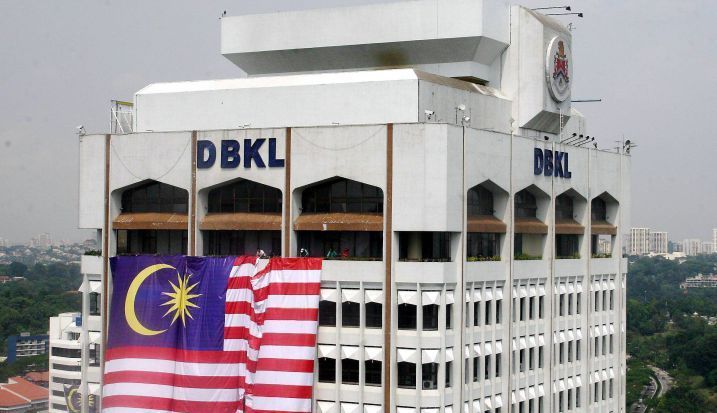
The Malaysian Cabinet has signalled a measured approach to reforming Kuala Lumpur's administration, instructing the Federal Territories Department to first strengthen governance and accountability systems within the city authority before pursuing any amendments to the Federal Capital Act 1960. The directive, announced by Minister in the Prime Minister's Department (Federal Territories) Hannah Yeoh, follows the presentation of a comprehensive feasibility study that examined whether legislative changes are necessary to improve how the capital is managed.
The four-month investigation, conducted between December and March by the International Islamic University Malaysia, represents one of the most thorough examinations of Kuala Lumpur City Hall's operational framework in recent years. The study went beyond desk research, conducting engagement sessions with Kuala Lumpur's seven federal MPs and senior DBKL management to understand stakeholder perspectives on current administrative challenges. This consultative approach reflects growing recognition that any reforms must account for the varied interests of elected representatives, city administrators, and residents who are often caught between competing governance structures.
A central finding emerging from the research is that many operational deficiencies afflicting DBKL do not stem from legislative gaps. Instead, the study identified the absence of clear internal guidelines, standardized operating procedures, and formal rules governing decision-making meetings as primary culprits. This distinction carries significant implications for policy makers: rushing to amend Act 190 without first establishing robust internal systems could create new problems without solving existing ones. The research suggests that administrative reforms implemented swiftly through executive directives may prove more effective than the lengthy legislative amendment process.
The proposal for a Kuala Lumpur City Council comprising the seven federal MPs represents a persistent suggestion from elected representatives seeking greater formal input into city governance. However, the IIUM study explicitly cautioned against this approach, warning that introducing a councillor system would create a confusing second layer of decision-making. More concerning, such an arrangement could obscure accountability lines by distributing responsibility among multiple parties. This reasoning aligns with the structural reality that Kuala Lumpur remains unique among Malaysian cities, governed under a "corporation sole" framework where legal authority vests in the mayor's office rather than in a collective body with executive powers.
An earlier proposal from the Policy Advisory Committee to the Prime Minister had suggested establishing a Supreme Council to reshape the mayor's office structure. The feasibility study's implicit rejection of this approach, combined with the Cabinet's decision to defer legislative amendments, effectively shelves both proposals in favour of incremental administrative improvements. For residents and observers concerned about governance issues at DBKL, this represents a pragmatic if somewhat gradualist response that prioritizes fixing processes before restructuring institutions.
The study's most actionable recommendation focuses on strengthening DBKL's existing Advisory Board rather than creating parallel administrative structures. Crucially, the research proposes introducing a formal governance framework that would establish clear criteria and quotas for appointing professionals and NGO representatives to the board. Such a framework would also standardize meeting procedures, proposal presentation protocols, reporting requirements, and define working relationships between the board, the mayor, the Federal Territories minister, and DBKL management. This approach addresses what many observers have identified as a source of friction: insufficient clarity about who decides what and how decisions are made.
Recognizing the legitimate role of elected representatives, the study carves out a enhanced but circumscribed role for Kuala Lumpur's MPs in overseeing the city authority. Rather than granting them formal administrative or appointment powers, the research suggests strengthening their involvement through regular consultation meetings, monitoring committees, and formal channels for budget reviews and raising resident concerns. This distinction between political representation and administrative authority reflects the careful balance required in a federal capital where democratic accountability to MPs must coexist with efficient city management by appointed officials.
The legal architecture underpinning Kuala Lumpur's current governance deserves closer examination, particularly for Malaysian readers unfamiliar with its unusual status. The Federal Capital Act 1960 established the mayor as a "corporation sole," a legal concept borrowed from colonial administrative traditions where authority concentrates in a single office rather than distributing across a council. This structure differs fundamentally from the Local Government Act 1976 framework governing other Malaysian municipalities, where councils exercise collective decision-making authority. The IIUM study warned that introducing councillors with actual powers could inadvertently transform Kuala Lumpur into a conventional local authority, potentially conflicting with the 1974 agreement transferring the city from Selangor to federal jurisdiction.
For Southeast Asian observers, Kuala Lumpur's governance puzzle reflects broader tensions in rapidly urbanizing capital cities. Many regional capitals have grappled with balancing federal oversight, elected representation, administrative efficiency, and accountability to residents. The Cabinet's decision to prioritize internal reforms over structural legal change offers a template for other jurisdictions wrestling with similar institutional questions. The emphasis on clarifying procedures, strengthening existing oversight mechanisms, and enhancing transparency through formal frameworks suggests that governance improvements need not await comprehensive legislative overhauls.
The transformation plan that JWP and DBKL are now developing will determine whether this measured approach yields tangible improvements. The Cabinet's commitment to periodic progress updates indicates genuine intent to track implementation, though skeptics may note that administrative reforms frequently encounter resistance from established bureaucratic interests. Success will depend on whether the anticipated guidelines and operating procedures meaningfully reshape how decisions flow through DBKL's organizational hierarchy or remain theoretical exercises that preserve existing power structures.
The broader significance of this Cabinet decision extends beyond Kuala Lumpur's city hall. It signals the government's preference for addressing governance problems through administrative discipline rather than structural reorganization. This approach carries risks: insufficient reforms could fuel frustration among MPs and residents seeking more formal checks on mayoral authority, while overly cautious implementation could fail to resolve the underlying coordination problems between federal oversight, elected representation, and city management. The coming months will test whether this gradualist philosophy can deliver the improved accountability and efficiency that motivated the original calls for legislative amendment.

